
Plastic Policy is Public Health Policy
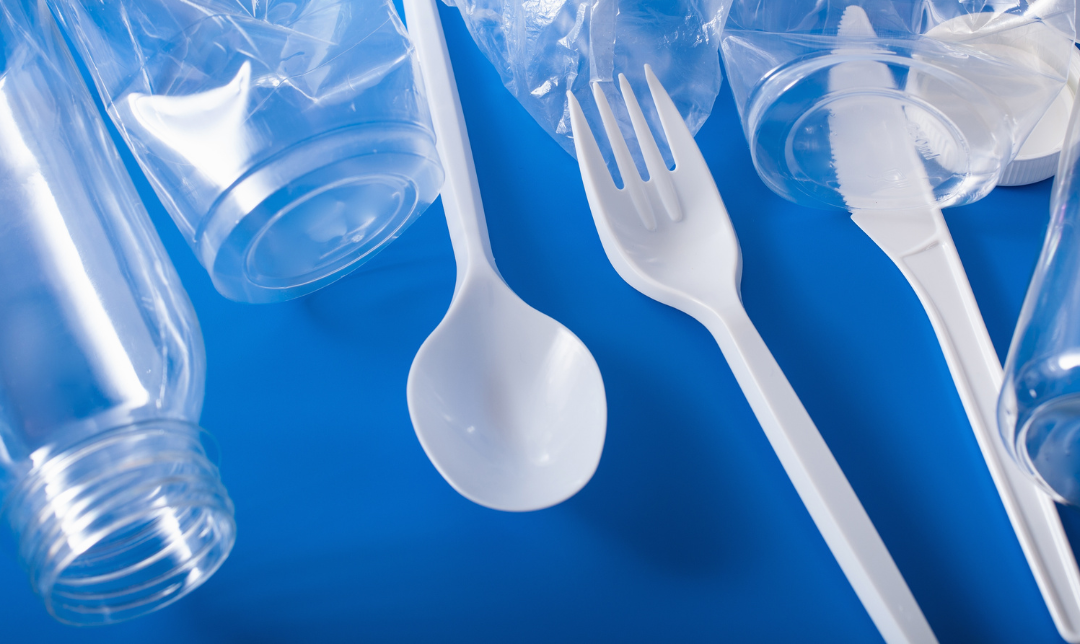
Since Philadelphia banned single-use plastic bags in 2021, more than 200 million of them have been kept out of the city’s waste stream, streets, and tree branches.
This is huge progress and a clear example of the power of public policy. But the harm of plastics is not limited to our natural environment. We urge Philadelphians to consider how plastics affect our health, too.
When the Clean Air Council was founded in 1967, Americans were fighting smog and rivers so polluted that they caught fire. Those problems have not disappeared, but today we also face less visible dangers. Chemicals used in plastics, including bisphenols and phthalates, have been linked to reproductive harm, metabolic disorders, diabetes, and some cancers.
That growing concern is reflected in the new Netflix documentary The Plastic Detox, which follows couples trying to reduce their exposure to endocrine-disrupting chemicals while navigating infertility.
The film raises a question that should concern all of us: How can we protect ourselves from harmful plastic-related chemicals when plastic is woven into so much of daily life?
There are steps individuals can take. People can avoid thermal paper receipts, choose natural fibers over synthetic ones, and replace plastic food and drink containers with glass, stainless steel, wood, or ceramic when possible. But individual choices can only go so far.
The burden should not fall on people to “detox” from a system they did not create. Public policy should make healthier choices easier and safer materials more available and affordable.
And we should be honest about how little of our plastic waste is actually recycled: only about 6%. Millions of tons are still sent to landfills, and millions more are burned.
That matters here in Philadelphia, where city officials are negotiating new waste disposal contracts.
Chester residents, along with Clean Air Council and other advocates, are urging the city to stop sending trash to the Reworld incinerator – the nation’s largest. The Stop Trashing Our Air Act, introduced by Councilmember Jamie Gauthier, would prohibit Philadelphia from contracting with companies that burn municipal waste.
If we are serious about reducing the harm of plastics, we cannot act as though disposal is someone else’s problem.
Philadelphia’s plastic bag ban showed that local action works. Now the city and the state should build on that progress by reducing unnecessary plastic use, expanding policies that limit exposure, and making safer alternatives more common once again. Pennsylvania should also stop lagging behind other states on actions to reduce single-use plastics.
Plastic policy is public health policy, and we need to treat it that way.
