

PHILADELPHIA, PA (Thursday, December 18) – Residents, local leaders, business owners, and advocates for clean energy gathered at City Hall Thursday to show their support for lowering energy prices by bringing more renewable energy projects to the region. Since President Donald Trump took office, energy prices have risen by 4.5% and are expected to keep rising. Coal generation costs are up a whopping 28% since 2021—adding $6.2 billion in extra consumer costs in 2024. The PJM Interconnection, which serves much of the Mid-Atlantic region, reported a 44% increase in electricity and gas prices in early 2025 compared to the same period in 2024. Trump’s policies–including rolling back clean energy laws and issuing federal orders to keep costly, inefficient power plants online instead of allowing clean energy to replace them–helped drive these increases, despite the fact that 90% of renewables are now cheaper than fossil fuels worldwide.
Councilmember Jamie Gauthier, Chair of Philadelphia City Council’s Committee on the Environment, said “This year, Trump gave the American people a lump of coal for the holidays. Unaffordable energy bills aren’t inevitable, they are a direct result of Trump’s Polluter First Agenda – which puts Big Oil above Philadelphia families. All Philly wants for Christmas is for Trump to make energy bills more affordable and protect our planet and health by accelerating clean energy investments.”
“So let’s be clear: we will not stand by while our small businesses are strangled and our communities are asked to shoulder more and more,” said Jennifer Zavala, South Philadelphia Resident and Owner and Operator of Juana Tamale. “We will raise our voices, we will demand action, and we will vote for leaders who put people over polluters”.
“The last thing hard-working families should have to worry about this holiday season is their growing energy bill. Our leaders need to step up and prioritize clean energy projects so we can lower costs and protect each other from the harms of the climate crisis,” said Alice Lu, Clean Air Council Policy Analyst.
“There is no denying that energy bills are rising faster than the cost of inflation. One in five Pennsylvania households report difficulty paying their energy bills. More than 338,000 Pennsylvanians had their electricity turned off in 2025. This is unacceptable. Pennsylvanians need real solutions like clean energy that create jobs, reduce pollution, & provide relief for families facing rising energy bills,” said Annie Regan, PennFuture Campaigns Director.
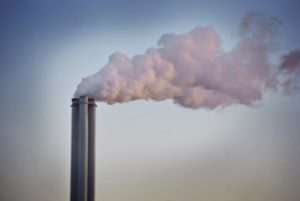
PHILADELPHIA, PA (October 13, 2020) – Today, President Biden announced that $7 billion dollars in U.S. federal grants will fund multiple groupings (“hubs”) of hydrogen projects, two located partially in Pennsylvania – one near the coast and one in the Appalachian region. Hydrogen is not a source of energy, but rather a means of storing energy derived from other sources. The coastal hub, MACH2, states that it will produce hydrogen from a mix of energy sources, including methane gas, renewables, and nuclear power. “Green” hydrogen, considered the “cleanest” form of hydrogen, is produced using renewable energy to split water molecules into hydrogen and oxygen. Green hydrogen is currently less than 1% of the global hydrogen supply. Pink hydrogen is produced using electricity from nuclear plants.
The Appalachian project, or ARCH2, will produce “blue” hydrogen with methane from fracked gas as its primary feedstock. The process of producing blue hydrogen is twofold. The hydrogen itself comes from splitting methane molecules; carbon dioxide that is released as a byproduct of this reaction is then attempted to be captured and stored. However, blue hydrogen requires environmentally harmful fracking for gas and the carbon capture and sequestration technology it relies on is largely unproven.
Joseph Otis Minott, Esq., Executive Director and Chief Counsel of Clean Air Council, issued the following statement:
“Hydrogen is not the one-size-fits-all fix to our energy needs and the climate crisis, and it could actually make greenhouse gas emissions worse. Hydrogen production is incredibly energy-intensive – even green hydrogen is a much less efficient way for industry to decarbonize compared to using renewable energy directly. Green hydrogen may be able to play a future role in specific end-uses that cannot otherwise be electrified. These massive projects are heavy on government subsidies and greenwashing and light on details. Taxpayers deserve to know more about the proposals and potential impacts.”
