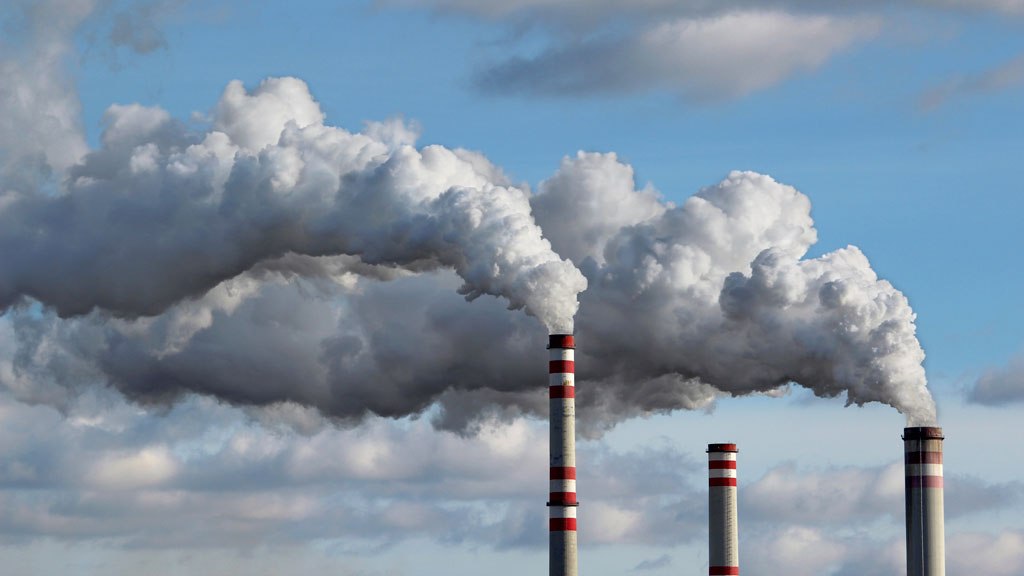
PHILADELPHIA, PA (November 18, 2025) – On November 18, the Pennsylvania Department of Environmental Protection issued an air pollution permit for the Homer City Redevelopment project, paving the way for what would be the nation’s largest fracked gas power plant to open in Pennsylvania. Although the plant would produce enough electricity to power over three million homes, that power would mostly feed its massive AI data center. Local residents would suffer the consequences of increased air pollution, noise, odors, and compromised drinking water with minimal return benefits, and the toxic air pollution from the plant could lead to the deaths of dozens of people across the country for every year of its operation. This permit was issued in spite of the many speakers at September’s DEP hearing on the project, as well as the 571 comments submitted by the public, strongly opposing (and identifying significant errors in) the proposed plant’s draft air quality permit.
Harrisburg has fallen in line across the aisle to support rapid buildout of AI infrastructure, even though the new power plants being proposed to run data centers in Pennsylvania are almost universally plants that would burn methane from local fracking wells. Science and experience tells us that this new fracking, and these new power plants, would pollute, sicken, and kill people in our region, exacerbate the climate crisis, and drive up the cost of electricity.
Alex Bomstein, Clean Air Council Executive Director, issued the following statement:
“This illegal permit is a death sentence for many of those who will breathe its toxic fumes in Indiana County and across the nation. Rushed-through, riddled with errors, and for what? It’s not to keep our lights on. It’s for New York hedge fund investors and for tech billionaires to get rich off of technology designed to lay people off. Indiana County and Pennsylvania will rise up and defend our health and our lives from this dangerous, pointless plant.”
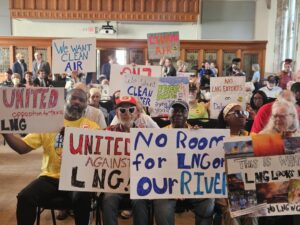
WASHINGTON D.C. (December 17, 2024) – Today, the U.S. Department of Energy (DOE) released its public interest determination analysis, which will provide a framework for evaluating new and pending permits for exporting liquified natural gas (LNG) to countries without a free trade agreement with the United States. This announcement comes nearly a year after President Biden paused permitting decisions for LNG export facilities, which chill fracked gas for storage and transportation to other countries overseas.
The analysis found that continued LNG exports are unsustainable and unadvisable. Notably, the new analysis paints a clear picture of the environmental justice, climate, and economic harms of widespread LNG exports. LNG export terminals are concentrated in communities already burdened by highly-polluting industries, and the buildout of new LNG export facilities will only exacerbate these impacts. LNG exports will also worsen climate change through increasing greenhouse gas emissions from upstream gas production and likely offsetting the development of clean, renewable energy worldwide. Furthermore, unchecked growth of LNG exports will drive up energy costs for residential and commercial consumers while generating profits for the fossil fuel industry. The analysis found flattening international demand for LNG, with most new demand expected to be from China.
Alex Bomstein, Executive Director of Clean Air Council, issued the following statement:
“This report should end the discussion: LNG exports are bad for our pocketbooks, bad for the air we breathe, and bad for the safety of our communities. Energy independence does not mean shipping America’s resources overseas, it means harnessing and storing our abundant solar and wind energy. Clean Air Council urges the DOE to apply the study’s findings and deny the six pending permits for LNG export facilities.”
The findings from this analysis will inform future LNG export authorization decisions by the DOE and hold proposed projects to the strongest-to-date commonsense standards for determining the public impacts of LNG exports. Moreover, the study provides an important factual basis for arguments to deny permits for unlawful LNG export terminal proposals. The new analysis will replace the economic and environmental analyses used by the DOE for application decisions, which were published in 2018 and 2019, respectively.
