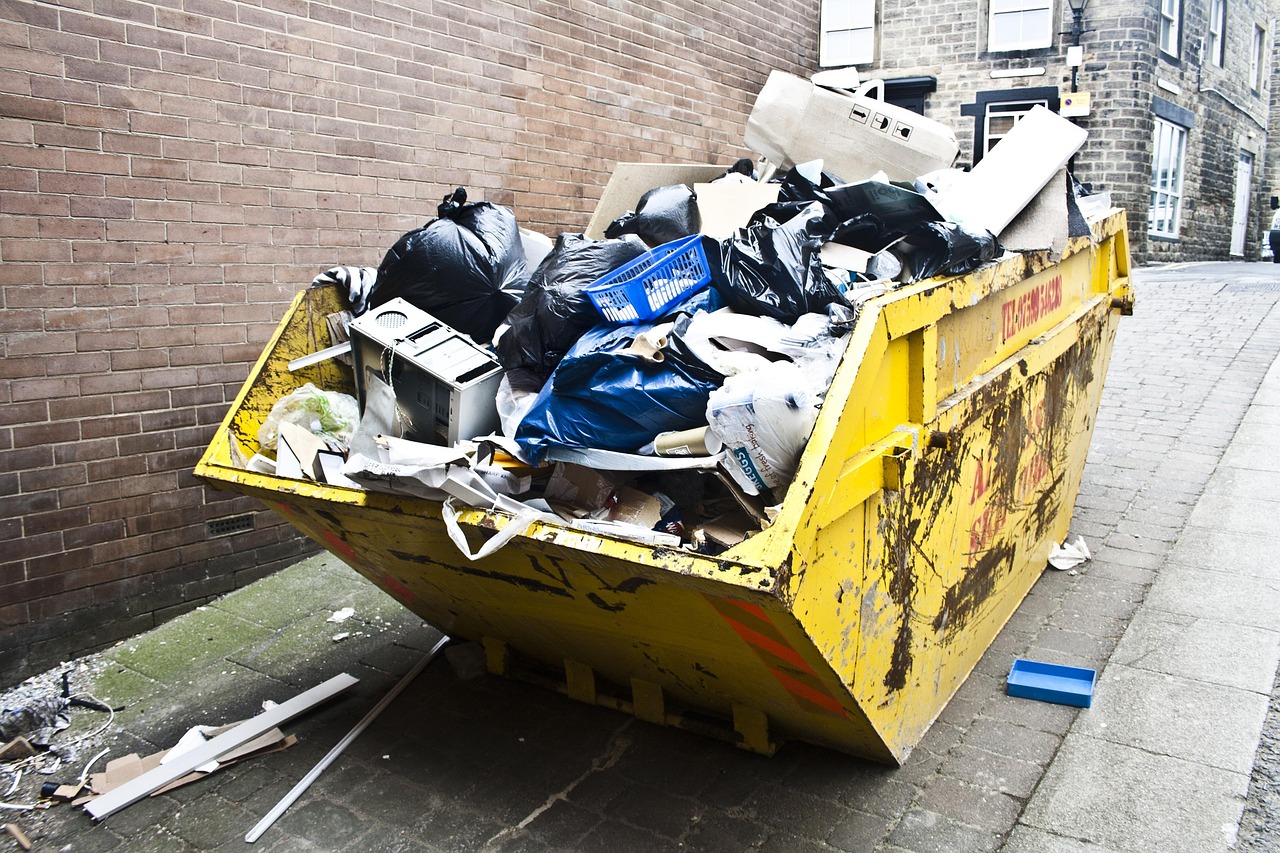
July 9, 2025 – When Philadelphia’s AFSCME District Council 33 union went on strike earlier this month and sanitation workers paused curbside pickup, it was no surprise that garbage began to pile up around the city. But if you were shocked by just how much trash took over our streets, you weren’t alone. It can be easy to overlook the volume we each produce. Once it’s out of sight, it’s out of mind.
And when it’s in sight? Well, it’s hard to forget! Now that we’ve experienced this valuable reminder, we can work together to reduce waste. After all, although environmental issues like these are collective problems with collective solutions, individual actions add up. With the easy tips below, each of us can build new, sustainable habits that keep our city clean and support a more livable planet.
1. First & Foremost: Compost
When our garbage cans start to stink, food scraps are likely the main culprit. Luckily they’re a key ingredient in a delightfully useful dish: compost! Composting is the practice of turning organic waste into a soil amendment.
Whether you compost in your own backyard or use a local service like Bennett or Circle, you’d be surprised how much of what you throw away can be composted, like:
- Fruit and vegetable scraps – think: peels, stems, and husks
- Those plants you forgot to water again
- Shredded brown bags from the overflowing pile of bags you saved “just in case”
- The evidence of your shopping habit (aka shredded cardboard)
- The evidence of your caffeine habit (aka coffee grounds, filters, and paper tea bags)
When contributing to a local program, just be sure to ask what materials they do and do not accept beforehand.
2. Say “So Long” to Single-Use
Listen, no one likes doing the dishes. But think of how much room we’d all save in our trash cans if we finally did away with the plastic cutlery, iced coffee cups, and paper plates and towels. Making just a few changes during our daily routines can keep even more single-use plastic (created at petrochemical facilities that produce a lot of harmful pollution) from sitting in the landfill forever. See how many of the following you can do in a day – then find a fun podcast to listen to while you scrub-a-dub-dub after dinner.
- Bring a reusable cup to the cafe each morning
- Stash a metal yogurt spoon in your work bag
- Shop the bulk section and bring your own containers
- Cut up old towels or t-shirts for cleaning rags
- Switch out your shampoo and conditioner bottles for bars
- Take those reusable totes out of the hall closet and put them in more useful places, like your backpack, at your desk, and by the front door
3. Get Organized by Getting Creative
If you’re the member of your household who always says, “That’s a nice box!” it’s your time to shine.
We truly don’t need a Container Store’s-worth of clear acrylic bins to stay organized. Each of us may be throwing away perfectly good storage solutions every week without realizing it! Before you toss another jam jar or take-out container, take a look around. That jar may be just the thing to rein in your scattered makeup brushes, its lid can handle your hair pins, and that take-out container could be the right size for all the batteries rolling around in your junk drawer. It doesn’t have to be Instagram-able, it just has to be functional.
4. If It Is Broke, Try to Fix It
Online shopping has made it all too easy to dump an item just because it feels easier to replace it than to repair it. Fixing our belongings instead of tossing them not only keeps valuable items out of the bin, it also saves us money and helps us learn new skills.
- Mending clothing is the hottest trend in crafting. Local sew shops like Sew + Sew and Approved Textiles teach classes on it.
- The internet can be a wonderful place full of experts who want to share their knowledge. Sites like YouTube and TikTok have plenty of simple tutorial videos, and Reddit has a forum for everything.
- When you need the help of an in-person human, check your local tinkering and repair groups. The Philly Fixers Guild hosts events to help you with everyday fixes.
5. Buy Less, Share More
The easiest way to reduce the waste on the curb is to buy fewer things that produce waste in the first place. Next time you feel the need to make a purchase, ask yourself, “Can I use things I already have access to instead? If not, are there people in my community who might have what I need and be willing to help, share, or lend it to me?” You may find what you need in the following resources:
- “Buy Nothing” and “Neighbors of” groups on Facebook, WhatsApp, and Nextdoor. Members often post unwanted items for others to pick up free of charge, and many of them allow members to ask for things they need, either to borrow or keep.
- Organizations like West Philly Tool Library lend you specific tools so you don’t have to buy a new one for a single household repair.
- The Free Library isn’t just for books anymore. You can find movies, health devices, and even musical instruments! Your local Little Free Library may also be bursting with giveaways, and your neighborhood may even have a “Free Book Exchange” Facebook group.
Whether you try just one of these tips or all five, you’ll be helping reduce the waste that enters landfills, the energy required to make items that end up there, and the pollution they produce.
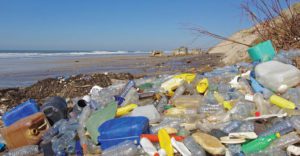
Plastics are slowly killing life on earth. We enjoy the convenience of plastics but delude ourselves that we can dispose of them safely. We give little thought to the damage done to the environment and to public health that results from extracting the fossil fuel needed to produce and manufacture plastics. We worry about climate change but stubbornly do not make the connection between plastic production and emissions of greenhouse gases. Most people falsely believe that recycling plastics is the answer — even though the vast majority of plastics can not be recycled and there is no real market for recycled plastics. Most of us will remember that distressing video of a sea-turtle with a plastic straw stuck in its nose. That’s happening every day. Plastics don’t really break down, they turn into dangerous microplastics that we’re now consuming.
Plastics are everywhere — some are necessary, many are not. Food wrappers, cigarette filters, single-use plastic bags, plastic straws, styrofoam.
The easiest plastics to avoid are the single-use plastic items we use for convenience or out of habit. As residents, we pay a high financial cost for single-use plastics. The City of Philadelphia spends between $9 million and $12 million every year cleaning plastic bags from the streets, sewers, and bodies of water. Philadelphia alone uses approximately one billion plastic bags per year, many of which end up as litter in our neighborhoods. Pennsylvania taxpayers spend over $13 million every year just cleaning up roadside litter. This money should be spent on more important things such as public education.
The plastic and petrochemical industry mislead the public by marketing plastics as “recyclable” when in reality, less than 9% of all plastic ever produced has been recycled. There is no viable solution for plastic waste. According to the United Nations Environment Programme, 12% of plastics are burned in incinerators (increasing air pollution in communities of color where waste incinerators are typically located) and 79% of plastics are deposited in landfills, dumps or end up in the natural environment.
Nearly all plastics produced derive from oil, fracked gas, and coal — dirty, non-renewable resources. Plastics and the climate crisis go hand-in-hand: plastic production depends on fossil fuels, and fossil fuels rely on plastic production.
Another hidden cost to single-use plastics: human health. For instance, Royal Dutch Shell’s 386-acre ethane cracker—built to make plastics— is set to power up this year about 25 miles outside of Pittsburgh in Beaver County. Shell’s plant will release 159 tons per year of fine particulate matter and 522 tons per year of volatile organic compounds (VOC), according to the Council’s 2014 Health Impacts Assessment. VOCs exacerbate health conditions including asthma, cardiovascular disease, cancer, endocrine disruption, and adverse birth outcomes.
There are also terrifying new links being made between microplastics and other toxins. Scientists are finding that microplastics accumulate toxins like DDT and PCBs from trace levels that may already exist in the environment, and deliver them to wildlife and humans that eat them, often bioaccumulating through the food chain.
The Council spent more than 10 years advocating to pass a Philadelphia single-use plastic bag ban. However, Philadelphia’s plastic bag ban was delayed one year due to COVID-19 and will now go into effect on July 1, 2021.
The Council advocates for turning off the “plastics tap,” and is fighting legislation that would limit local government’s ability to regulate single-use plastic items. Representing Pennsylvania residents in court, the Council joined the City of Philadelphia, Borough of West Chester, Borough of Narberth, Lower Merion Township, and the City of Pittsburgh in a lawsuit to overturn the state’s unconstitutional preemption of municipalities from enacting or enforcing single-use plastic legislation. The Council is fighting for local residents and leaders to implement sustainable solutions locally to plastic pollution.
It’s time to end our addiction to plastic, enact local solutions, and choose to protect the environment over convenience. Start by ditching single-use plastics for Plastic Free July and spreading the word about plastic pollution.
Written by Jessica Bellwoar, Development Officer, jbellwoar@cleanair.org. For more information on the PA Plastics Preemption lawsuit contact, Logan Welde, Staff Attorney, lwelde@cleanair.org.
Tags: Plastics, recycling, waste, zero waste, litigation
