HARRISBURG, PA (October 29, 2025) – Representatives from Clean Air Council, Earthworks, Environmental Health Project, Environmental Integrity Project (EIP), and Protect PT rallied at the Pennsylvania State Capitol Wednesday to demand that Pennsylvania’s Environmental Quality Board (EQB) live up to its mandate and protect state residents. From the main rotunda at the Pennsylvania State Capitol Complex, speakers representing this coalition urged EQB to act and delivered over 400 postcards and written comments from Pennsylvanians who support increased protective buffers distances to the Department of Environmental Protection (DEP).
It has been over a year since the Council and EIP submitted a rulemaking petition to EQB to increase minimum protective buffer distances between new fracking sites and homes, schools, water sources, and streams. Since this submission, there have been at least 382 unconventional wells drilled in Pennsylvania. These new wells could have been subject to protective buffers rule that would keep people across the Commonwealth safer by minimizing exposure to fracking pollution. Instead, the EQB has failed to act on our petition, refusing to vote to allow the DEP to review our petition at the April EQB meeting and instead tabling the petition.
“When he was Attorney General, Josh Shapiro’s own grand jury once recommended strengthening setback requirements across the state. Now that he is Governor, he has adopted the motto of ‘get s— done.’ It’s been more than a year now since Pennsylvanians have demanded those safer setbacks,” said Alex Bomstein, Executive Director of Clean Air Council. “Gov. Shapiro, it’s time to get stuff done!”
“I stood with impacted residents a year ago requesting Governor Shapiro make good on his Grand Jury report recommendation to protect families from fracking by increasing the distance between Pennsylvanians and polluters,” said Melissa Ostroff, Pennsylvania Policy & Field Advocate at Earthworks. “Not a day goes by without more evidence showing the harm of fracking on communities – and the time to act has long since passed. I urge EQB to move this petition forward to the next step in the regulatory process without delay.”
“We were in Harrisburg last fall, when we first submitted our petition to the EQB for protective buffers from fracking. Now, a year later, our petition has still not received full and proper consideration from our government,” said Gillian Graber, Executive Director of Protect PT. “So, we’ll be back in the Capital continuing to uplift testimony from frontline residents and share the scientific evidence that shows that current drilling setbacks are not doing enough to keep us safe. The EQB has a duty to all Pennsylvanians to allow the DEP to thoroughly study this important information.”
“Every day that Pennsylvania fails to adopt protective buffers from fracking sites the dangers to health and the environment mount,” said Lisa Hallowell, Senior Attorney with the Environmental Integrity Project. “After a year watching our petition for health-based common-sense minimum setbacks languish, we are here demanding that EQB act with urgency to move our petition forward.”
“The research has been clear for years: the closer one lives to fracking operations, the greater the risk of developing negative short- and long-term health issues,” said Alison L. Steele, Executive Director, Environmental Health Project. “As scientific evidence of the public health impacts of fracking continues to mount, the gap between research and policy widens in Pennsylvania. Any further delay to increase setback distances continues to disregard the negative health impacts that community members living near operations have been dealing with for years.”
The Environmental Quality Board has had ample time—an entire year—to decide whether to advance our commonsense rulemaking petition and study the implications of stronger protective buffers around sensitive sites and communities,” said Katie Jones, Ohio River Valley Coordinator, FracTracker Alliance. “Immediate action is now warranted, as this regulation change will better safeguard the health and safety of the 3.6 million Pennsylvanians living in areas where fracking is feasible without imposing a de facto ban on fracking.”
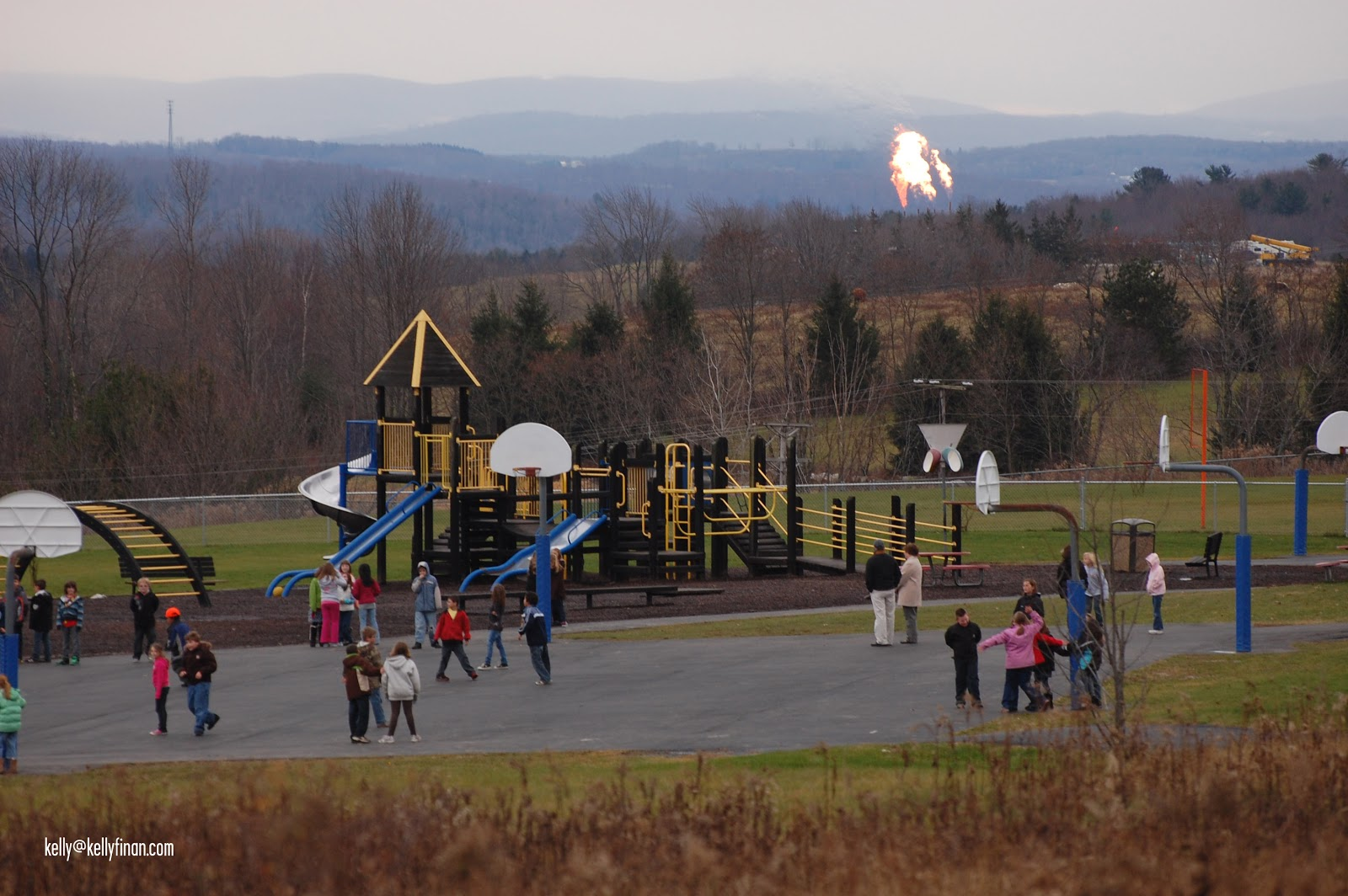
Setbacks, also referred to as protective buffers and no-drill zones in the context of fracking, are mandatory minimum distances that fracking wells must be placed away from homes, schools, hospitals, drinking water wells, and surface waters. Pennsylvania’s current fracking well location requirements—which include a waivable 500-foot setback from buildings and a 1,000-foot setback from water supply extraction points—are woefully insufficient to protect public health and the environment from the dangers of fracking. In fact, the current distances were not determined based on public health evidence. By failing to move this popular rulemaking petition forward, the EQB has done significant harm to Pennsylvanians while helping the oil and gas industries, protecting polluters instead of people.
HARRISBURG, PA (November 25, 2024) – On November 21, the Pennsylvania Department of Environmental Protection (DEP) completed an initial review of a rulemaking petition submitted by Clean Air Council and Environmental Integrity Project to increase minimum no-drill zones around homes, schools, and streams. The Protective Buffers PA coalition, comprised of environmental and public health organizations, is championing the rulemaking petition. The rulemaking petition will now move to the Environmental Quality Board (EQB) for consideration.
Setbacks, also referred to as protective buffers and no-drill zones in the context of fracking, are mandatory distances that fracking wells must abide by to keep them separated from homes, schools, hospitals, drinking water wells, and surface water. Pennsylvania’s current fracking well location requirements—which include a waivable 500-foot setback from buildings and a 1,000-foot setback from water supply extraction points—are woefully insufficient to protect public health and the environment from the dangers of fracking.
The rulemaking asks the EQB to consider instituting the following research-informed setbacks:
- 3,281 feet from any building and from any drinking water well;
- 5,280 feet from any building serving vulnerable populations (e.g., schools, hospitals); and
- 750 feet from any surface water of the Commonwealth.
The EQB regulations provide that the next step in the process is that the petition will be announced at the next EQB meeting, and Clean Air Council and Environmental Integrity Project will have the chance to give a 5-minute presentation on why EQB should accept it. The DEP will make a recommendation as to whether EQB should accept it. If EQB accepts it, DEP then has 60 days to prepare a report evaluating the petition, to which the groups will be able to respond, and then DEP will make its final recommendation. If DEP recommends a regulatory change, it has 6 months to develop a proposed rulemaking for EQB consideration.
“This is an important first step in the right direction to protect the millions of Pennsylvanians who live near fracking,” said Alex Bomstein, Executive Director of Clean Air Council. “No one deserves to live with the harms and perils of fracking in their backyard.”
“Study after study shows that fracking too close to buildings and waterways has caused grave and undeniable harm to Pennsylvanians, so we’re glad our petition is moving forward.” said Lisa Hallowell, Senior Attorney with the Environmental Integrity Project. “DEP’s job is to protect people and the environment from pollution, and increasing minimum setback distances from fracking sites should be an obvious next step to protect everyone in the Commonwealth regardless of one’s politics.”
“There is no evidence that shale gas development can be done without harm to human health,” said Alison L. Steele, executive director of the Environmental Health Project. “However, greater setback distances are ultimately better for reducing health harms. The EQB’s consideration of a petition to increase setbacks can begin the critical work of correcting what was unquestionably an egregious public health error made when fracking was in its infancy. Today, we know better.”
“Those of us living on the front lines of fracking activity have known for decades that this activity is way too close to thousands of families across Pennsylvania, which was affirmed in the 43rd Grand Jury report”, said Gillian Graber Executive Director of Protect PT, a member of the coalition. “We would encourage the EQB to take swift action to support families impacted by fracking by instituting these changes,” said Graber.
“The EQB’s acceptance of this petition marks a significant step toward adopting long-overdue protections for Pennsylvania communities,” said Katie Jones, Ohio River Valley Coordinator with FracTracker Alliance. “As Attorney General, Governor Shapiro strongly advocated for commonsense measures to protect public health, including expanded no-drill zones to shield Pennsylvanians from the harmful impacts of fracking. At FracTracker, our data consistently highlights the disproportionate risks faced by frontline communities, and we urge swift action to transform this proposal into enforceable safeguards that deliver meaningful relief to those most affected.”
“Earthworks has spent the last decade proving that oil and gas operations pollute nearby homes and entire communities,” said Melissa Ostroff of Earthworks. “Requiring polluters to operate at a distance less harmful to the health of people, and especially children, is common sense and the right thing to do. We appreciate the DEP’s decision to move the petition forward, and Governor Shapiro and his administration should act quickly to set safe setback distances to protect all Pennsylvanians.”
Fracking contaminates groundwater (used for public and private drinking water supplies) and also pollutes surface water, damaging headwater streams and other ecosystems. Furthermore, spills often occur in watersheds linked to drinking water sources.
Dozens of peer-reviewed scientific studies show that a person’s proximity to fracking wells is associated with severe human health risks and a wide range of ailments, including increased cancer rates, increased hospitalization rates, and higher rates of respiratory, neurological, dermatological, and muscular symptoms. Vulnerable populations are particularly susceptible—numerous studies have shown that proximity to fracking wells harms health for infants and children. In addition to these studies, first-hand accounts of residents living near Pennsylvania fracking wells demonstrate the profound harms of living close to fracking.
