Philadelphia and Delaware County are uniquely vulnerable to impacts of climate change, even compared to the rest of Pennsylvania. Residents in communities along the Schuylkill and Delaware Rivers face extreme heat and flooding risks compounded by the large amounts of polluting industrial facilities in densely populated riverfront areas.
Clean Air Council’s three-year Climate Resilient Communities project brought together residents in South and Southwest Philadelphia as well as Chester, Trainer, and Marcus Hook in Delaware County to address the combined risk of climate change and pollution. The Council’s forthcoming Climate Resilient Communities report, developed by landscape architects at Olin Design Studio, provides key findings and recommendations to address the risks and build climate resiliency.
One of the key findings of the study is that riverfront industrial infrastructure can cause dangerous public health conditions, like increased air and water pollution, during extreme heat and precipitation events. Recommended resiliency strategies include strengthening connections between local leaders, neighbors, and community groups and the expansion of storm shelters, cooling centers and air conditioned recreational space.
Over the course of three years, Clean Air Council and community partners surveyed residents and hosted regular meetings in each focus neighborhood. Residents reviewed local climate models, identified locations most impacted by heat and flooding, and provided extensive feedback on resilience strategies that would have the greatest impact in their communities.
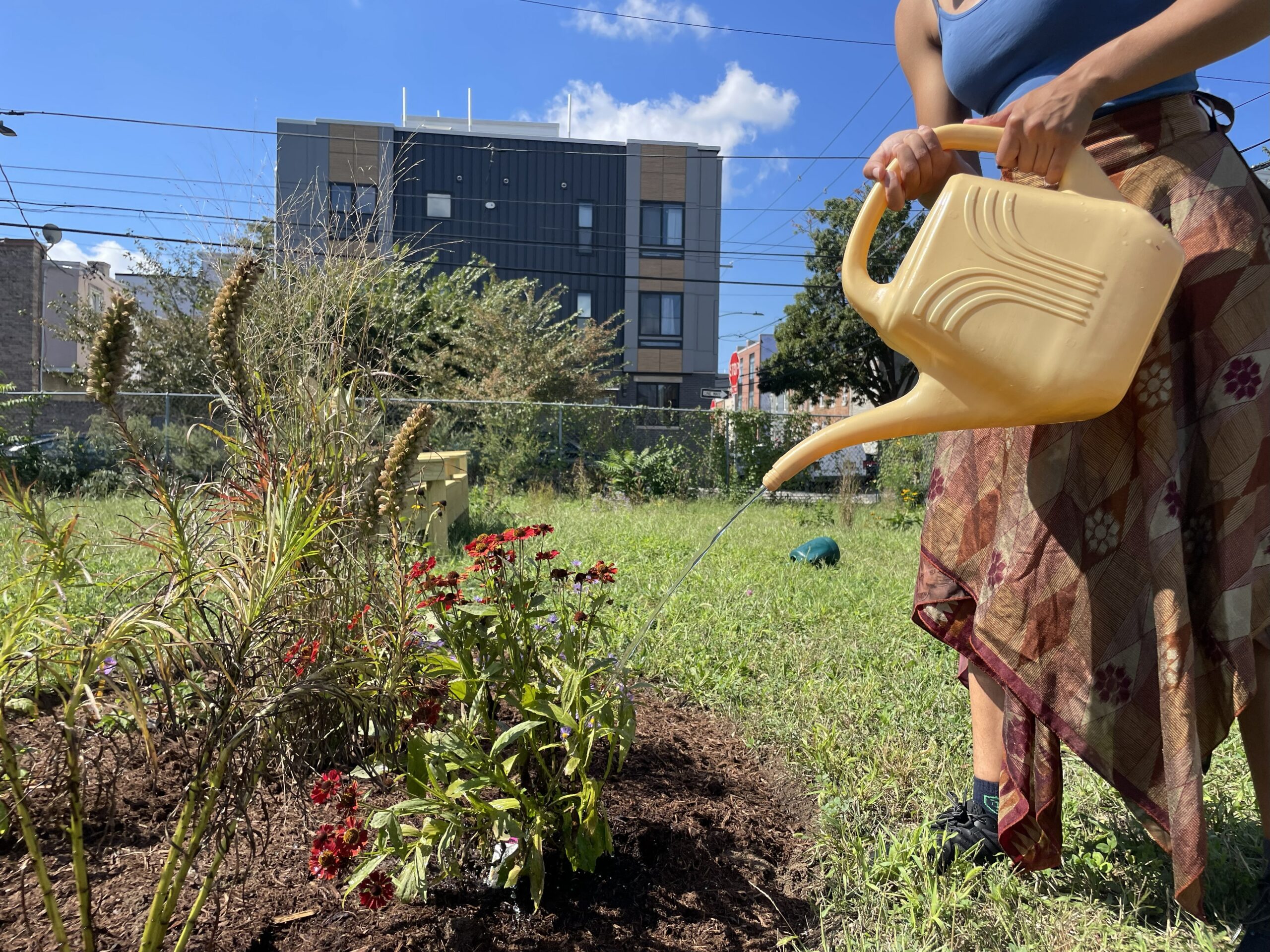
Council staff then worked with residents and partners in each neighborhood to develop green infrastructure projects to mitigate heat and flooding impacts and support climate resiliency. Ideas for projects included transforming vacant lots into community gardens, adding native trees and pollinator plants to local parks, and transforming existing parks into naturescapes for families and children to enjoy. Based on residents’ feedback, four climate resilient communities projects were implemented.
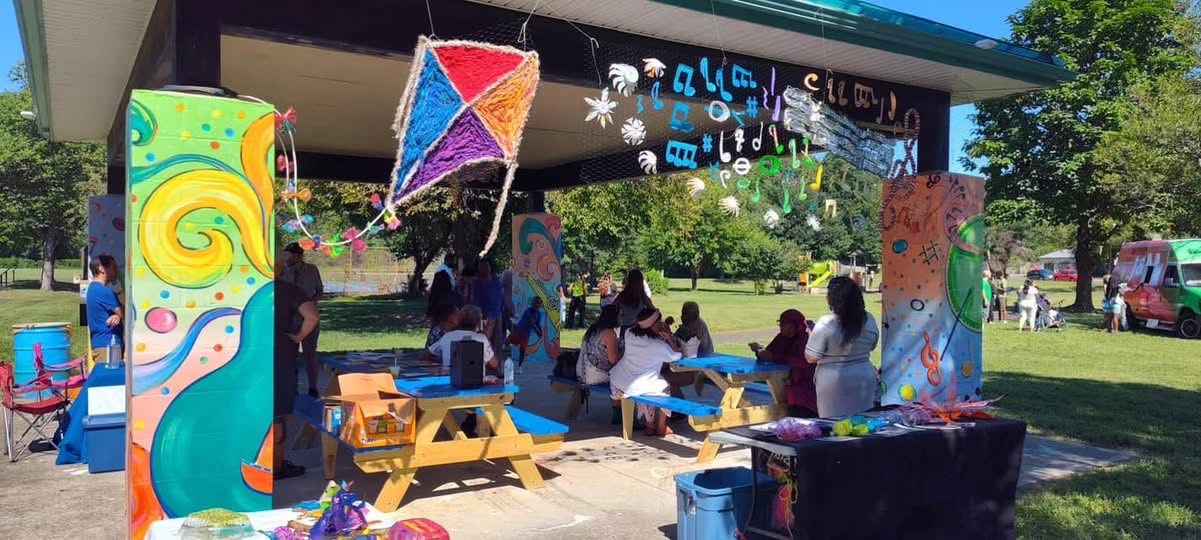
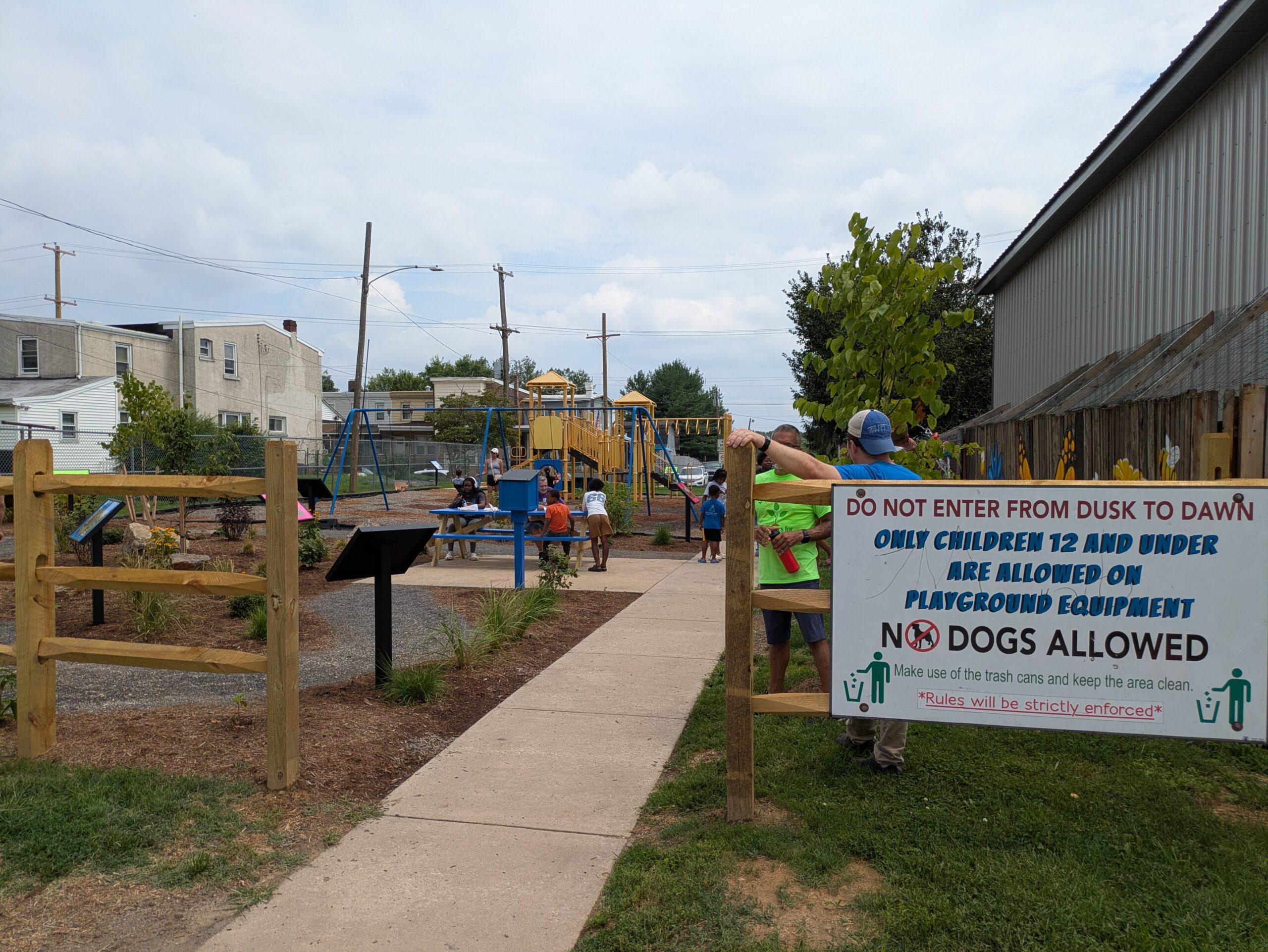
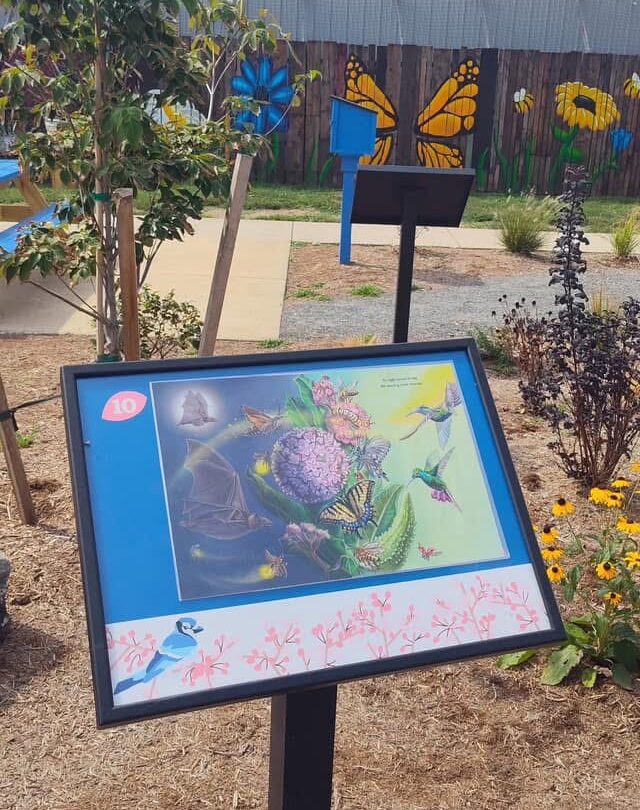
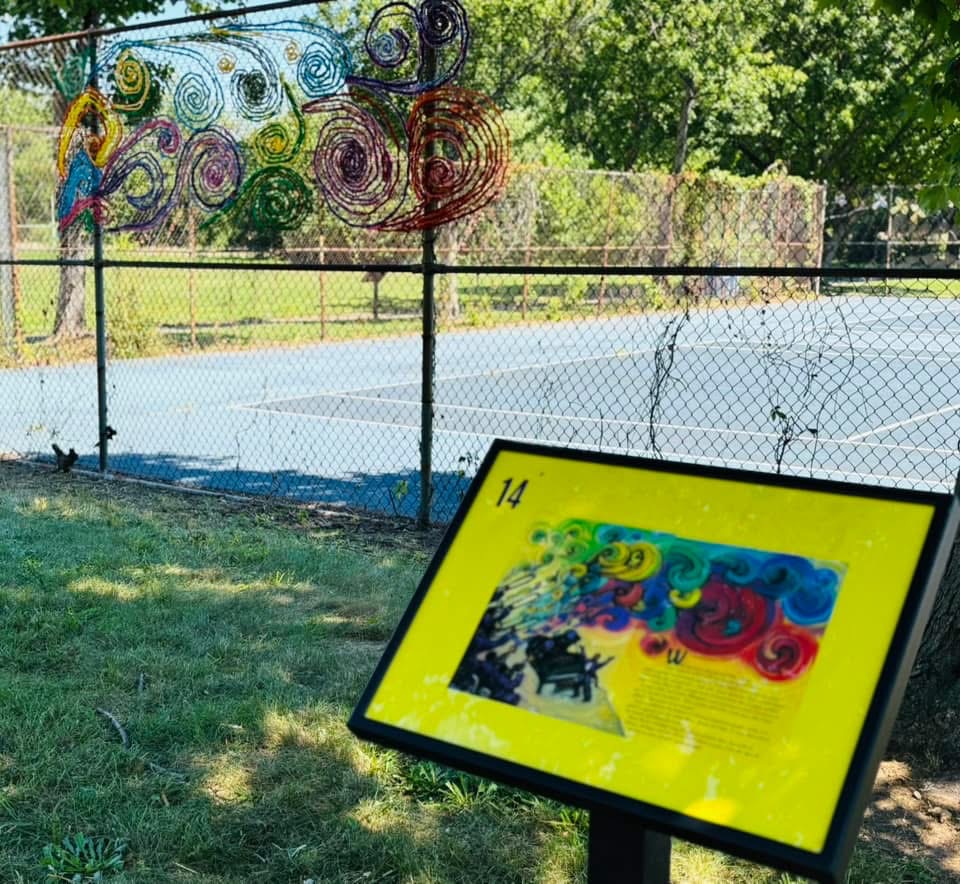
In Delaware County, the Council worked with the City of Chester, Legacy Arts Chester and Bonnie’s Community & Development Corp to make significant improvements to Sun Village Park, including a storybook walk and native pollinator garden, new picnic tables and benches, and vibrant mural and art installations around the park’s pavilion and tennis courts. The Council also worked with Trainer Borough, Marcus Hook Area Neighbors for Public Health, and the NMS Watersheds Alliance to install a storybook walk, native pollinator garden, native flowering trees, mural arts, and a free little library at Wilcox Park next to Monroe Refinery in Trainer. These revitalized park spaces in Delaware County provide residents with shaded spaces to connect with nature, art, literacy, and other neighbors. Respite and community gathering spaces help to build social connection and cohesion, which are vital to a community’s climate resiliency plan.

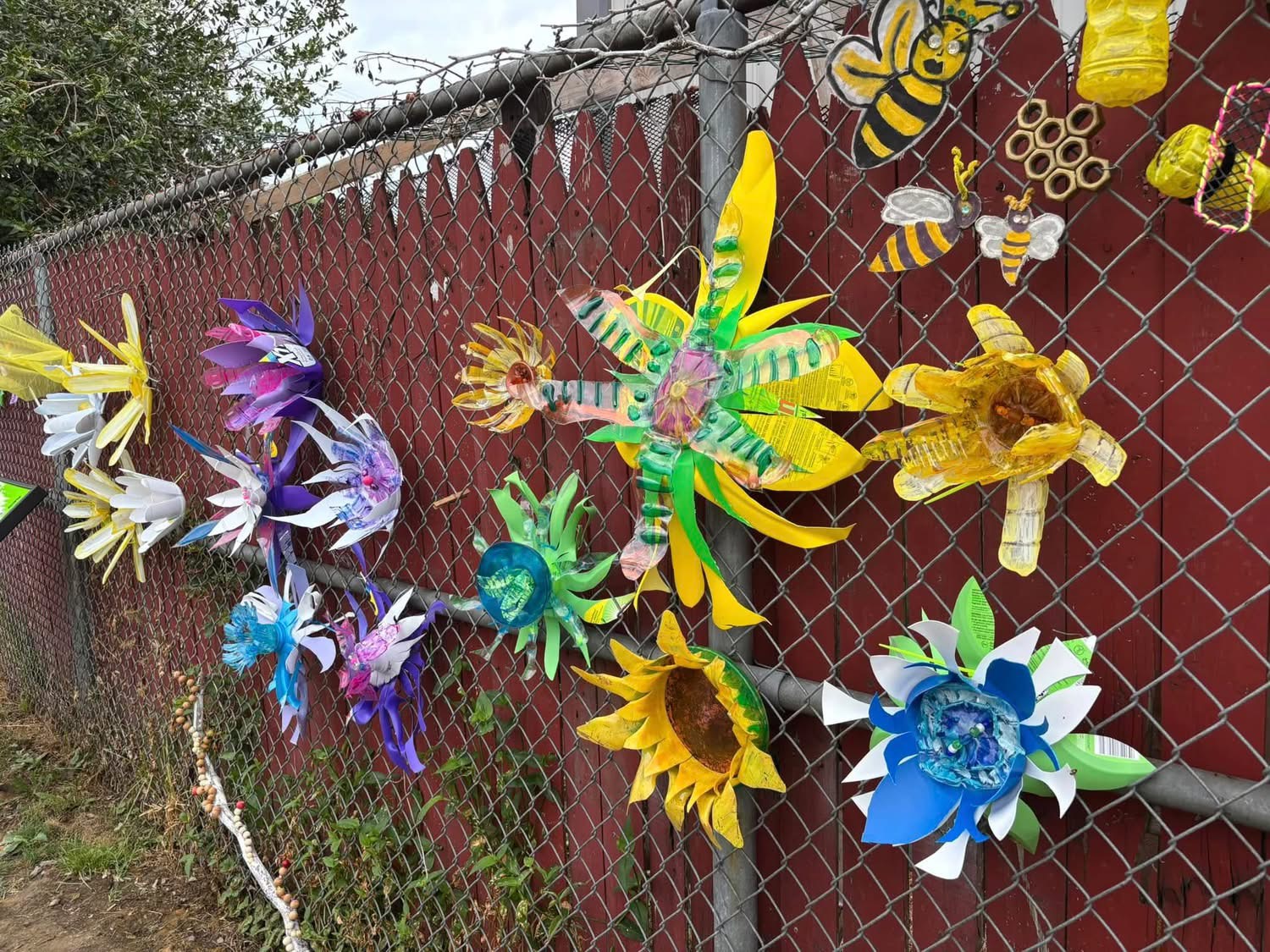
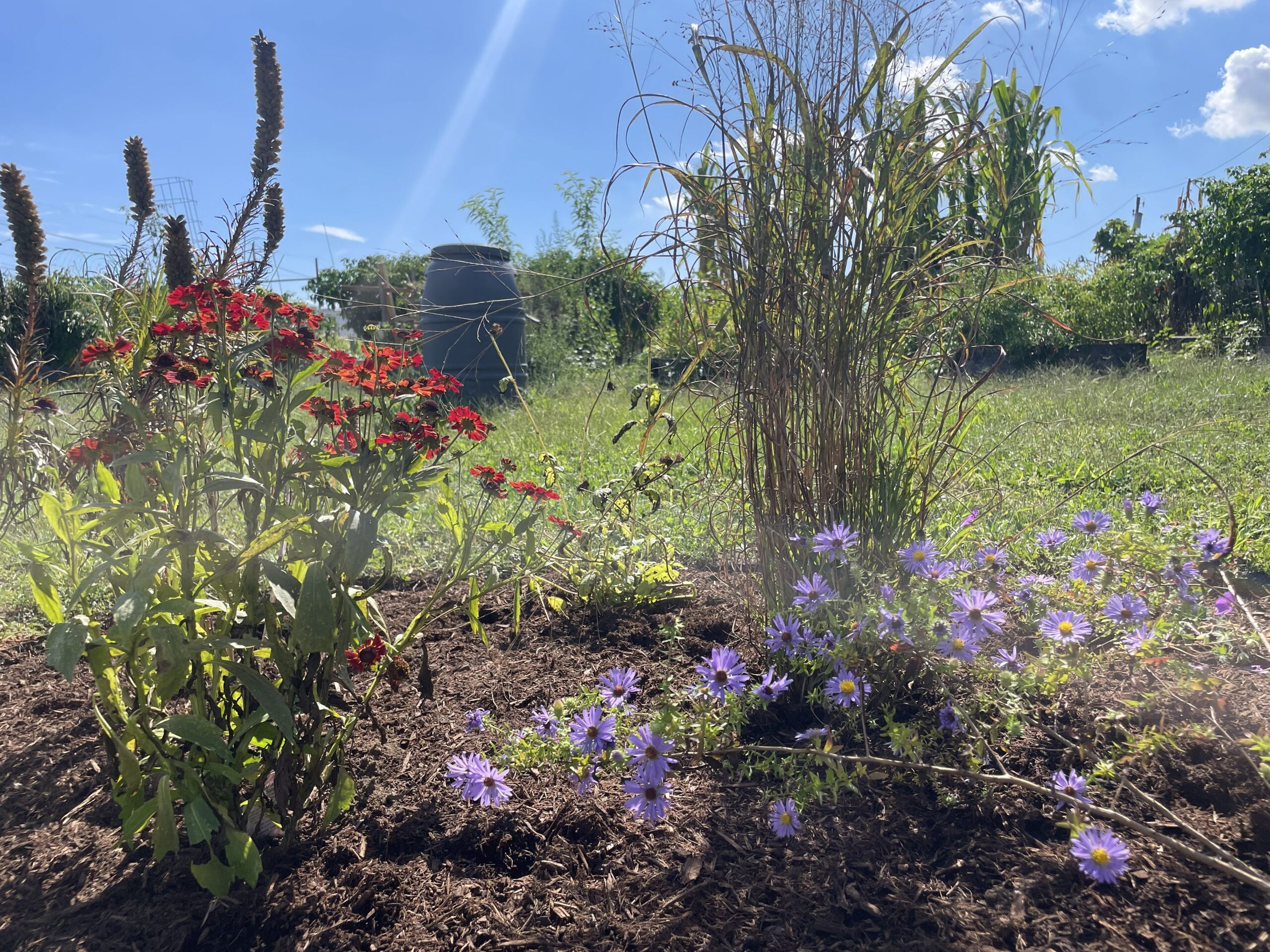
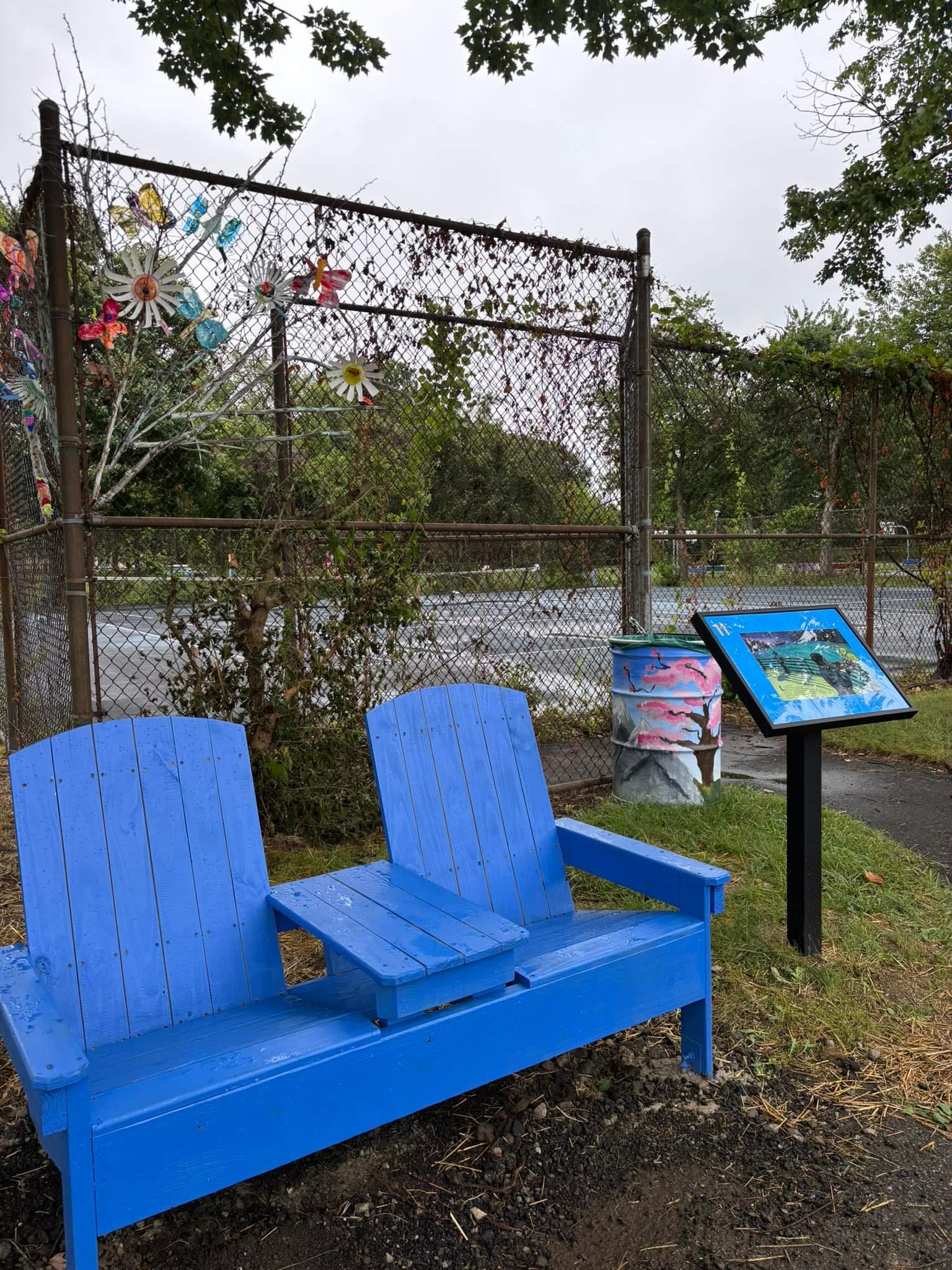
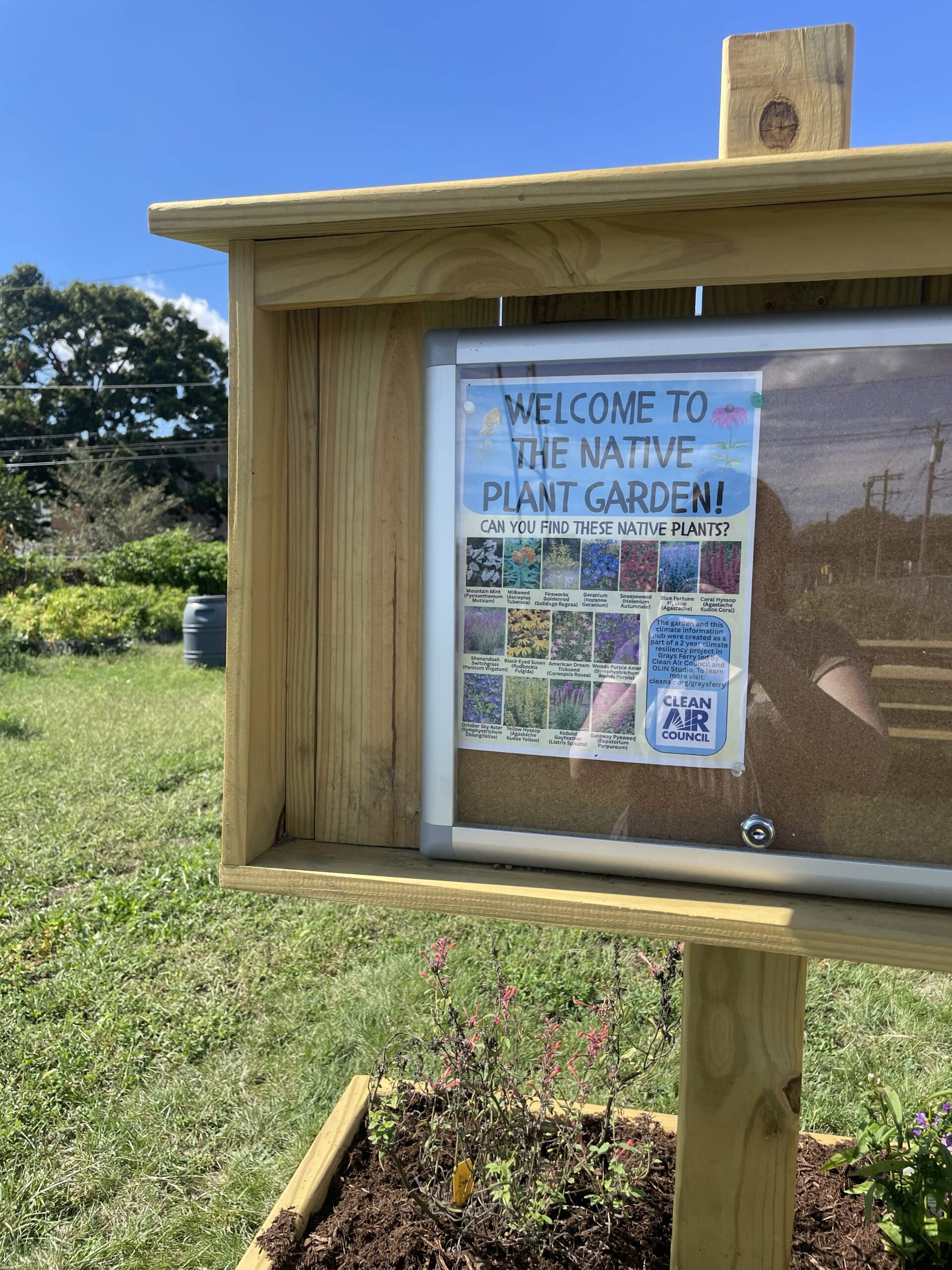
In South Philadelphia, the Council worked with the Church of the Redeemer Baptist’s Growing Together Community Garden to expand the existing native pollinator garden and create a gathering space for gardeners of the site’s over 200 plots. This included the installation of new picnic tables with shade umbrellas as well as several park benches. The creation of a community gathering space in the garden will support residents to further develop this local greenspace, which helps to cool the neighborhood and build community cohesion.
In addition to the pollinator garden and seating areas, Council staff worked with Philly Thrive’s Mutual Aid circle and the Tasker-Morris Neighborhood Association to create a climate guide of the Grays Ferry neighborhood that shows pollution sources as well neighborhood resources. The guide is featured in a custom made climate information station in the garden, which features a planter box as well as a space to distribute community flyers and pamphlets.
In Southwest Philadelphia’s Eastwick neighborhood, Council staff worked with Eastwick United, Eastwick Friends and Neighbors, and the Eastwick Recreation Center to place three additional climate information stations around Eastwick. These climate hubs (which are also public planters) inform residents about neighborhood meetings on local flood risks, illegal dumping, and other environmental health and climate issues. Council staff also worked with these organizations on a detailed climate guide of Eastwick that includes nearby environmental hazards as well as many local assets.
Clean Air Council will continue sharing the key findings and recommendations of the Climate Resilient Communities report with local decision makers, and will continue to work with local leaders to expand access to safe public amenities like parks and greenspaces while encouraging responsible development along local riverfronts. For more information please contact Advocate Russell Zerbo at rzerbo@cleanair.org, Philadelphia Organizer Jendaiya Hill at jhill@cleanair.org, or Delco Outreach Coordinator Alyssa Felix-Arreola at afa@cleanair.org
This Climate Resilient Communities project was made possible through a grant from the William Penn Foundation.
U.S. Steel has permanently shut down Battery 15 and applied for tighter limits on pollution linked to asthma
PITTSBURGH (June 4, 2024) – U.S. Steel has permanently shut down coke Battery 15, one of the oldest and most-polluting parts of the Clairton Coke Works, and has formally applied to the Allegheny County Health Department to remove the battery from its Clean Air Act permits. The closure of Battery 15, which had previously been temporarily idled, will permanently ratchet down emissions of harmful emissions such as sulfur compounds (linked to asthma and respiratory problems), benzene (linked to cancer), and fine particulates (linked to cardiovascular and other health problems). At the time of its closure, Battery 15 contained more than 10% of the remaining coke ovens at Clairton Works. The closure was confirmed in a filing with the Allegheny County Health Department on May 30, 2024.
That filing also includes an application by U.S. Steel to tighten the limit on emissions of hydrogen sulfide (a respiratory irritant), reducing the allowable limit nearly 30% from 35 to 25 grains per cubic foot of gas facility-wide.
Both of these changes were required under the terms of the historic settlement of federal Clean Air Act litigation by PennEnvironment, the Clean Air Council and Allegheny County. The lawsuit was filed in response to thousands of violations of air pollution limits after the massive fire at U.S. Steel’s Clairton Coke Works on Christmas Eve, 2018.
Zachary Barber, the Clean Air Advocate with PennEnvironment, issued the following statement:
“Pittsburghers can breathe a little easier with the news that Allegheny County’s most-toxic polluter, the Clairton Coke Works, has permanently reduced its emissions of harmful air pollutants. Tightening pollution limits for hydrogen sulfide gas and requiring the permanent closure of one of the dirtiest parts of the Clairton Coke Works will pay public health dividends to local residents for years to come.”
Alex Bomstein, the Executive Director of Clean Air Council, issued the following statement:
“When we sued U.S. Steel, our number one priority was protecting the health of residents in the Mon Valley. The closure of Battery 15 was one of the most important steps toward that goal that we achieved in our historic legal victory over U.S. Steel. While nothing can undo the damage caused by U.S. Steel’s previous emissions, these reductions will reduce future harm and move the region toward the cleaner, more wholesome air it deserves.”
Environmental Protection Agency sides with Environmental Integrity Project, PennFuture, Clean Air Council and objects to U.S Steel Edgar Thomson’s Title V permit as it was not in compliance with the Clean Air Act
PITTSBURGH, PA, Feb. 12, 2024 – In another step to help protect Mon Valley residents from harmful air pollutants, the Environmental Protection Agency (EPA) has again sided with environmental groups by issuing an order objecting to an air quality permit issued by the Allegheny County Health Department (ACHD) to U.S. Steel on the basis that it was not in compliance with the Clean Air Act. This time, the EPA objected to the permit issued to U.S. Steel’s Edgar Thomson facility by ACHD in August 2023.
In September 2023, environmental groups submitted a petition to EPA requesting it object to the Title V air quality permit issued to U.S. Steel Edgar Thomson by ACHD. In the petition, environmental groups argued that the Title V permit did not include monitoring and testing requirements sufficient to assure compliance with multiple air quality emissions limitations for multiple emissions sources, and improperly eliminated certain emissions limitations.
On February 7, 2024, EPA issued an order granting all of the petitioners’ claims and objecting to the Edgar Thomson Title V permit on those grounds. In its order, EPA requires ACHD to revise the permit and/or permit record in accordance with its decision.
This marks the second occasion in recent months that environmental groups have successfully petitioned EPA to object to deficient Title V permits issued by ACHD to U.S. Steel facilities in the Mon Valley. In October, EPA issued a similar order granting the majority of petitioners’ claims relating to insufficient monitoring and testing requirements and objecting to the U.S. Steel Clairton Coke Works’ Title V permit issued by ACHD.
The U.S. Steel Edgar Thomson Plant is an iron and steel making facility with a history of noncompliance with air pollution regulations and a major source of air pollution in Allegheny County. Pollutants of concern emitted by the facility include particulate matter, sulfur dioxide, carbon monoxide, nitrogen oxides, volatile organic compounds, and hazardous air pollutants, among others.
“We are thrilled EPA ordered the Health Department to make all 10 changes we requested so that this massive polluter no longer has a permit full of loopholes,” said Lisa Hallowell, Senior Attorney with the Environmental Integrity Project. “The permit now must be revised to require monitoring to assure compliance with permit limits, which will benefit public health and the environment throughout the Mon Valley.”
“Ensuring that industry polluters comply with permit limits is necessary to protect Allegheny County residents from harmful air pollution,” said Angela Kilbert, Senior Attorney for PennFuture. “EPA’s order directs ACHD to ensure that this Title V permit has air quality monitoring and testing requirements sufficient to assure U.S. Steel Edgar Thomson operates in compliance with its emissions limits.”
“Mon Valley residents shouldn’t have to put up with some of the worst air in the country,” said Alex Bomstein, Clean Air Council Legal Director. “Through air quality monitoring and testing requirements, EPA’s orders will help to ensure that the facility operates within the law, which is key to protecting residents from harmful pollution.”
