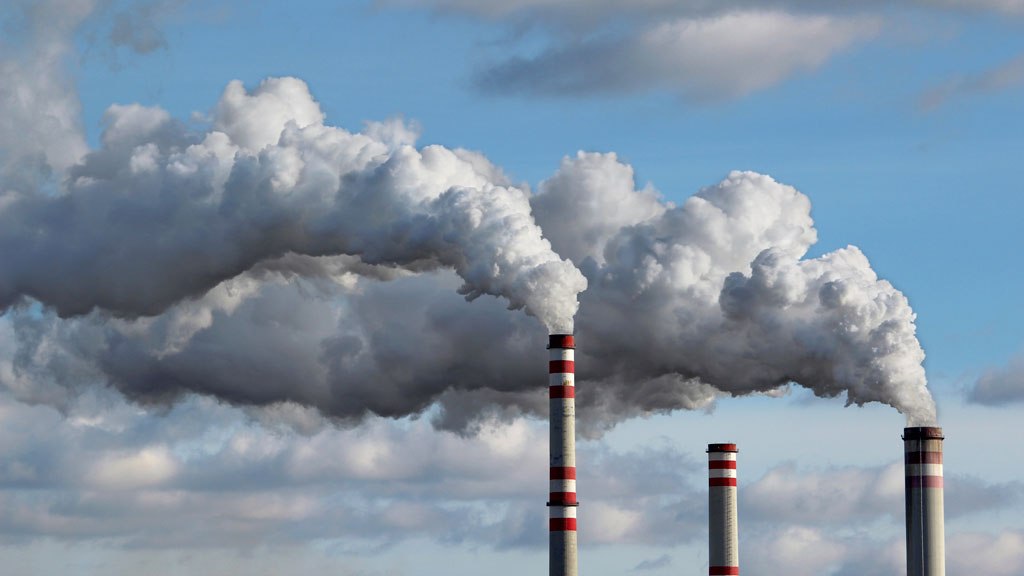
PHILADELPHIA, PA (November 18, 2025) – On November 18, the Pennsylvania Department of Environmental Protection issued an air pollution permit for the Homer City Redevelopment project, paving the way for what would be the nation’s largest fracked gas power plant to open in Pennsylvania. Although the plant would produce enough electricity to power over three million homes, that power would mostly feed its massive AI data center. Local residents would suffer the consequences of increased air pollution, noise, odors, and compromised drinking water with minimal return benefits, and the toxic air pollution from the plant could lead to the deaths of dozens of people across the country for every year of its operation. This permit was issued in spite of the many speakers at September’s DEP hearing on the project, as well as the 571 comments submitted by the public, strongly opposing (and identifying significant errors in) the proposed plant’s draft air quality permit.
Harrisburg has fallen in line across the aisle to support rapid buildout of AI infrastructure, even though the new power plants being proposed to run data centers in Pennsylvania are almost universally plants that would burn methane from local fracking wells. Science and experience tells us that this new fracking, and these new power plants, would pollute, sicken, and kill people in our region, exacerbate the climate crisis, and drive up the cost of electricity.
Alex Bomstein, Clean Air Council Executive Director, issued the following statement:
“This illegal permit is a death sentence for many of those who will breathe its toxic fumes in Indiana County and across the nation. Rushed-through, riddled with errors, and for what? It’s not to keep our lights on. It’s for New York hedge fund investors and for tech billionaires to get rich off of technology designed to lay people off. Indiana County and Pennsylvania will rise up and defend our health and our lives from this dangerous, pointless plant.”
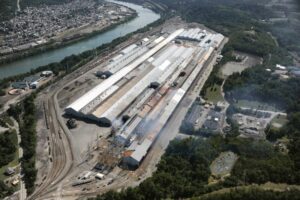
PITTSBURGH, PA (September 26, 2025) – Clean Air Council, Environmental Integrity Project, and Food & Water Watch are celebrating two significant victories after the Environmental Protection Agency (EPA) largely granted the Council’s petitions to object to flaws in the air pollution permits (called Title V operating permits) that the Allegheny County Health Department (ACHD) issued to U.S. Steel’s Irvin facility and the Neville Chemical facility in 2024.
Thanks to these decisions, ACHD will need to amend both of these permits, likely resulting in stronger permit conditions that will improve air quality by ensuring the facilities comply with limits to the amount of pollution they are allowed to emit into our air. This is a critical victory for the residents and workers of Allegheny County, who will experience better air quality protections because of these changes.
“Clean Air Council is pleased to see the EPA recognizing that the initial permits would not effectively keep polluters in line and acting decisively to ensure that permitting agencies issue effective permits,” said Lawrence Hafetz, Legal Director for Clean Air Council. “We’re also thrilled to see that acting as a watchdog for the Commonwealth continues to be an effective strategy for ensuring the Clean Air Act is enforced at the federal and state levels. Without this work, our communities would further suffer for the profits of major polluters.”
“EIP is encouraged that EPA continues to recognize that inadequate monitoring to assure compliance with emission limits must be revised by permitting agencies,” said Haley Lewis, an Attorney with EIP. “EIP will continue to advocate that the Allegheny County Health Department follow EPA’s direction in improving the Title V permits for U.S. Steel Irvin Works and Neville Chemical.”
“We are heartened to see that diligent efforts to protect the public from health-threatening air pollution have paid off with common-sense decisions from EPA that should result in stronger permits for these facilities,” said Erin Doran, senior staff attorney at Food & Water Watch. “We will continue to monitor these permits and pursue legal avenues to ensure clean air and a livable future for neighboring communities and many others throughout Pennsylvania and the country.”
Under the Clean Air Act, Title V operating permits must contain conditions (like emissions testing and monitoring) that can ensure a facility will comply with its permitted emissions limits. Clean Air Council, Food and Water Watch, and the Environmental Integrity Project provided comments on the proposed permits for these facilities in 2024, but found that the final permits were insufficient to ensure the facilities complied with the stated emissions limits. Clean Air Council then filed petitions on September 20, 2024 for Neville Chemical and on November 15, 2024 for U.S. Steel’s Irvin facility, asking EPA to object to each Operating Permit.
In both responsive orders, the EPA found that the permits’ compliance assurance requirements were insufficient for several pollutants from multiple sources. EPA therefore ordered ACHD to issue amended permits that either include more stringent emission testing and monitoring requirements or amend the permit record to explain how the existing requirements could suffice. For some pollutants, the EPA also indicated a preference for requiring the continuous emission monitoring systems that the groups have proposed.
Significantly, the groups were successful in having the EPA direct the ACHD to recalculate some emission limits using site-specific emission data as opposed to generic emission data. They advocated for this change because generic emission data is sometimes of poor quality and never as accurate as site-specific data. While at times ACHD has chosen to use site-specific data, too often it has defaulted to using generic data even when more accurate data was available. This represents another victory for the people of Pennsylvania and the surrounding region because it ensures their rights to clean air are being protected.
