So-Called ‘Chemical Recycling’ Facility No Longer Planned for Pennsylvania Town Following Opposition From Local Leaders
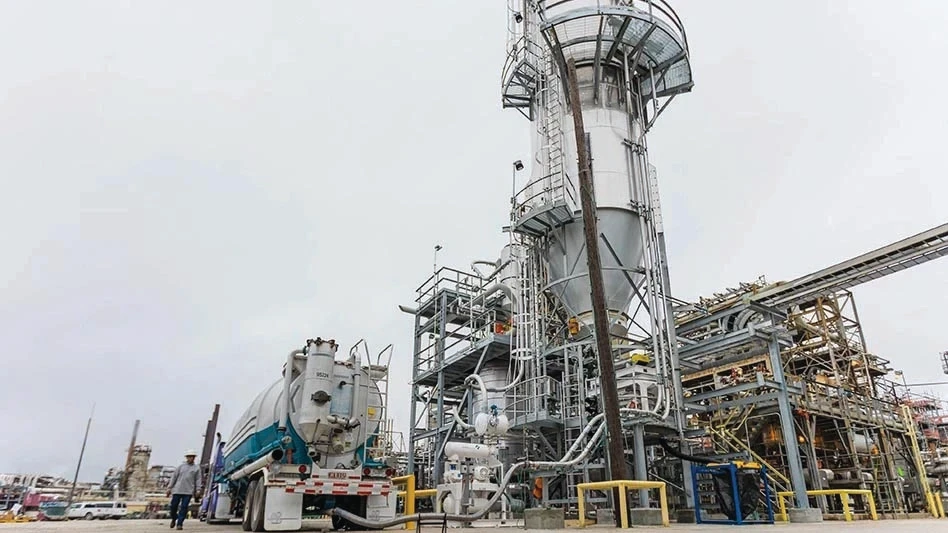
SUGARLOAF, Pennsylvania (August 12, 2025) — Alterra Energy has withdrawn its proposal for a plastic pyrolysis facility in Sugarloaf, Pennsylvania, sparking relief from community members. Obtained from a public records request, a letter from Alterra Energy to the Sugarloaf Township Board of Supervisors officially withdrew the company’s proposal for a so-called “chemical recycling” facility.
The project, which would have trucked in substantial amounts of plastic trash for high-heat processing, faced strong opposition from local residents, environmental advocates, and township leaders concerned about air emissions, hazardous waste, traffic impacts, and potential harms to public health. The proposal for Sugarloaf claimed to recycle plastic; however, pyrolysis historically produces dirty fuels and is known to generate toxic byproducts.
“The people of Sugarloaf and surrounding areas are elated that Alterra energy has officially decided to withdraw their state DEP permit for their proposed plastic facility from 42 Tomhicken Road. This is a big win for our area,” said Annie Vinatieri, a local community leader and member of Luzerne County Community Action Coalition. “The people have spoken and our voices have been heard. We will continue to fight for clean air, water and a safer, healthier future for Luzerne County.”
“”I am thankful to all who helped in and supported us with this effort to protect our precious environment,” said Lisa Logan, a local community leader and member of Luzerne County Community Action Coalition. “We are so blessed in many ways!”
“I was concerned about the dangers for environmental and public health seemingly inherent to this type of chemical recycling technology,” said Jan E. Long, lifelong and multigenerational resident of Luzerne County. “I am all for fair, non-subsidized and clean economic development in the area, but will not support a business that has the potential to create a system for the continued production of more plastic waste.”
“This local effort in Sugarloaf is proof that communities can reject false solutions and fight for the sustainable, waste-free future we deserve. These companies sometimes look for new locations after abandoning site proposals, so it’s important that other Pennsylvania towns are prepared to fight these proposals when they show up in other places,” said Jess Conard, Beyond Plastics’ Appalachia director. “So-called ‘chemical recycling’ is nothing more than greenwashing for the plastics industry. It doesn’t solve the plastic waste problem; it just turns plastic trash into toxic emissions and fuels we don’t need.”
“This was community led from start to finish. We welcome the swift withdrawal of this dangerous project. Plastic is toxic at every stage of its life cycle, from fossil fuel extraction to disposal,” said Josephine Gingerich, Physicians for Social Responsibility Pennsylvania’s health advocacy outreach coordinator. “Plastic pyrolysis unleashes a cocktail of harmful chemicals linked to cancer, respiratory disease, and other severe health problems. Our communities deserve strategies that truly protect health, safeguard the environment, and put people — not polluters — first.”
“We are thrilled to hear that Alterra will not build their proposed toxic plastics-to-fuel plant in Sugarloaf, Pennsylvania,” said Sandy Field, chair of Save Our Susquehanna. “This is a huge win for this small community! The Save Our Susquehanna group advocates for development that does not pollute communities and provides good paying jobs that do not harm workers. Chemical recycling of plastics is not the answer to the plastics crisis.”
“The withdrawal of Alterra’s chemical recycling proposal represents a significant win for the health and well-being of the Sugarloaf community,” said Talor Musil, Environmental Health Project’s field manager. “This decision will prevent the release of toxic air pollutants and the health harms associated with exposure to those pollutants. EHP applauds community members living near this proposed site for successfully raising awareness of the risks posed by petrochemical development.”
“Moms Clean Air Force celebrates with the people of Sugarloaf who will not be subjected to health-harming pollution. Chemical recycling, also known as advanced recycling, is neither advanced nor recycling,” said Rachel Meyer, Mom’s Clean Air Force’s Ohio River Valley field organizer. “It transforms plastics chemicals such as PFAS, heavy metals, and phthalates into toxic air pollutants that our families breathe, putting us at increased risk for cancer and respiratory, cardiovascular, and neurological diseases. Congratulations to all the community members who spoke up for their children’s health to end this deception.”
“The withdrawal of Alterra’s toxic plant is a great victory for the Sugarloaf community,” said Alex Bomstein, Clean Air Council’s executive director. “This dangerous technology, deceptively branded as chemical recycling, emits toxic pollution that poisons our bodies. It has no place in Pennsylvania communities. Alterra’s departure is a welcome relief.”
“The cancellation of the planned Sugarloaf Township pyrolysis plant is good news for the people throughout the region,” said Sean Hoffmann, Clean Air Action’s legislative director. “Pyrolysis is bad for our health and perpetuates the plastics crisis by creating more demand for harmful plastics when we should be doing the opposite. We all want good jobs and economic growth in our communities, but that shouldn’t come at the cost of our health and our land. Let’s work together to bring good jobs to our towns while also keeping them safe from pollution.”
The Alterra Energy proposal was first discovered in a neighboring community’s council notes in September 2024 and opted to relocate to Sugarloaf. The community’s concerns have prevailed months later.
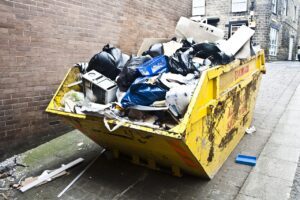
July 9, 2025 – When Philadelphia’s AFSCME District Council 33 union went on strike earlier this month and sanitation workers paused curbside pickup, it was no surprise that garbage began to pile up around the city. But if you were shocked by just how much trash took over our streets, you weren’t alone. It can be easy to overlook the volume we each produce. Once it’s out of sight, it’s out of mind.
And when it’s in sight? Well, it’s hard to forget! Now that we’ve experienced this valuable reminder, we can work together to reduce waste. After all, although environmental issues like these are collective problems with collective solutions, individual actions add up. With the easy tips below, each of us can build new, sustainable habits that keep our city clean and support a more livable planet.
1. First & Foremost: Compost
When our garbage cans start to stink, food scraps are likely the main culprit. Luckily they’re a key ingredient in a delightfully useful dish: compost! Composting is the practice of turning organic waste into a soil amendment.
Whether you compost in your own backyard or use a local service like Bennett or Circle, you’d be surprised how much of what you throw away can be composted, like:
- Fruit and vegetable scraps – think: peels, stems, and husks
- Those plants you forgot to water again
- Shredded brown bags from the overflowing pile of bags you saved “just in case”
- The evidence of your shopping habit (aka shredded cardboard)
- The evidence of your caffeine habit (aka coffee grounds, filters, and paper tea bags)
When contributing to a local program, just be sure to ask what materials they do and do not accept beforehand.
2. Say “So Long” to Single-Use
Listen, no one likes doing the dishes. But think of how much room we’d all save in our trash cans if we finally did away with the plastic cutlery, iced coffee cups, and paper plates and towels. Making just a few changes during our daily routines can keep even more single-use plastic (created at petrochemical facilities that produce a lot of harmful pollution) from sitting in the landfill forever. See how many of the following you can do in a day – then find a fun podcast to listen to while you scrub-a-dub-dub after dinner.
- Bring a reusable cup to the cafe each morning
- Stash a metal yogurt spoon in your work bag
- Shop the bulk section and bring your own containers
- Cut up old towels or t-shirts for cleaning rags
- Switch out your shampoo and conditioner bottles for bars
- Take those reusable totes out of the hall closet and put them in more useful places, like your backpack, at your desk, and by the front door
3. Get Organized by Getting Creative
If you’re the member of your household who always says, “That’s a nice box!” it’s your time to shine.
We truly don’t need a Container Store’s-worth of clear acrylic bins to stay organized. Each of us may be throwing away perfectly good storage solutions every week without realizing it! Before you toss another jam jar or take-out container, take a look around. That jar may be just the thing to rein in your scattered makeup brushes, its lid can handle your hair pins, and that take-out container could be the right size for all the batteries rolling around in your junk drawer. It doesn’t have to be Instagram-able, it just has to be functional.
4. If It Is Broke, Try to Fix It
Online shopping has made it all too easy to dump an item just because it feels easier to replace it than to repair it. Fixing our belongings instead of tossing them not only keeps valuable items out of the bin, it also saves us money and helps us learn new skills.
- Mending clothing is the hottest trend in crafting. Local sew shops like Sew + Sew and Approved Textiles teach classes on it.
- The internet can be a wonderful place full of experts who want to share their knowledge. Sites like YouTube and TikTok have plenty of simple tutorial videos, and Reddit has a forum for everything.
- When you need the help of an in-person human, check your local tinkering and repair groups. The Philly Fixers Guild hosts events to help you with everyday fixes.
5. Buy Less, Share More
The easiest way to reduce the waste on the curb is to buy fewer things that produce waste in the first place. Next time you feel the need to make a purchase, ask yourself, “Can I use things I already have access to instead? If not, are there people in my community who might have what I need and be willing to help, share, or lend it to me?” You may find what you need in the following resources:
- “Buy Nothing” and “Neighbors of” groups on Facebook, WhatsApp, and Nextdoor. Members often post unwanted items for others to pick up free of charge, and many of them allow members to ask for things they need, either to borrow or keep.
- Organizations like West Philly Tool Library lend you specific tools so you don’t have to buy a new one for a single household repair.
- The Free Library isn’t just for books anymore. You can find movies, health devices, and even musical instruments! Your local Little Free Library may also be bursting with giveaways, and your neighborhood may even have a “Free Book Exchange” Facebook group.
Whether you try just one of these tips or all five, you’ll be helping reduce the waste that enters landfills, the energy required to make items that end up there, and the pollution they produce.
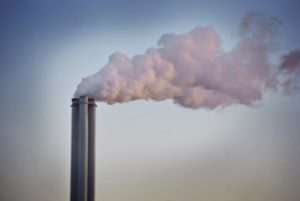
NORTHUMBERLAND COUNTY, PA (October 25, 2022) Today, Clean Air Council brought a legal challenge to a permit waiver for the Encina plastics processing facility proposed for Point Township, Northumberland County. The facility, planned to be sited next to the Susquehanna River, would be a significant source of harmful pollution for surrounding communities. As it stands, Encina would be exempt from the requirement to apply for a processing facility permit under the Solid Waste Management Act.
Encina’s plastics processing technology is relatively new and misleadingly called “advanced recycling” by the company. It is closer to incineration. While Encina is not disclosing the details of its process, emissions from plastics processing facilities like the one proposed for Northumberland County may be even more hazardous than those from conventional solid waste incinerators. In addition to the dangerous emissions, the facilities typically generate hazardous ash, which is then shipped offsite for disposal.
Encina is proposing to shoehorn two phases of its Point Township project into a state permit exemption that is only allowed for the second phase: the “advanced recycling” phase. This exemption could allow Encina to avoid the requirement for a solid waste permit that is intended to protect the community. Therefore, it is premature for the Pennsylvania Department of Environmental Protection (DEP) to grant any exemption for the facility as a whole. An exemption for Phase 1, which only mechanically processes solid waste, would never be appropriate..
“Encina is trying to fool the public into believing that its unproven plastics processing technology is clean ‘recycling’,” said Joseph Otis Minott, Clean Air Council Executive Director and Chief Counsel. “DEP shouldn’t be compounding the problem by letting the proposed waste processing plant avoid a waste processing permit. Bottom line, Encina is proposing a dirty petrochemical facility that is greenwashing itself as a sustainable business and skirting the permitting process.”
“I am normally in favor of recycling as an environmentally sustainable practice but there are just too many unknowns about this unproven technology and the air and water pollution that will be associated with the project for me to support it,” said Sandy Field, Lewisburg, PA resident. “Producing these toxic chemicals right next to the river that provides our drinking water just seems like a bad idea.”
