
PUC Policy on Data Centers a First Step in Protecting Pennsylvanians but Regulations and Clean Energy Are Needed
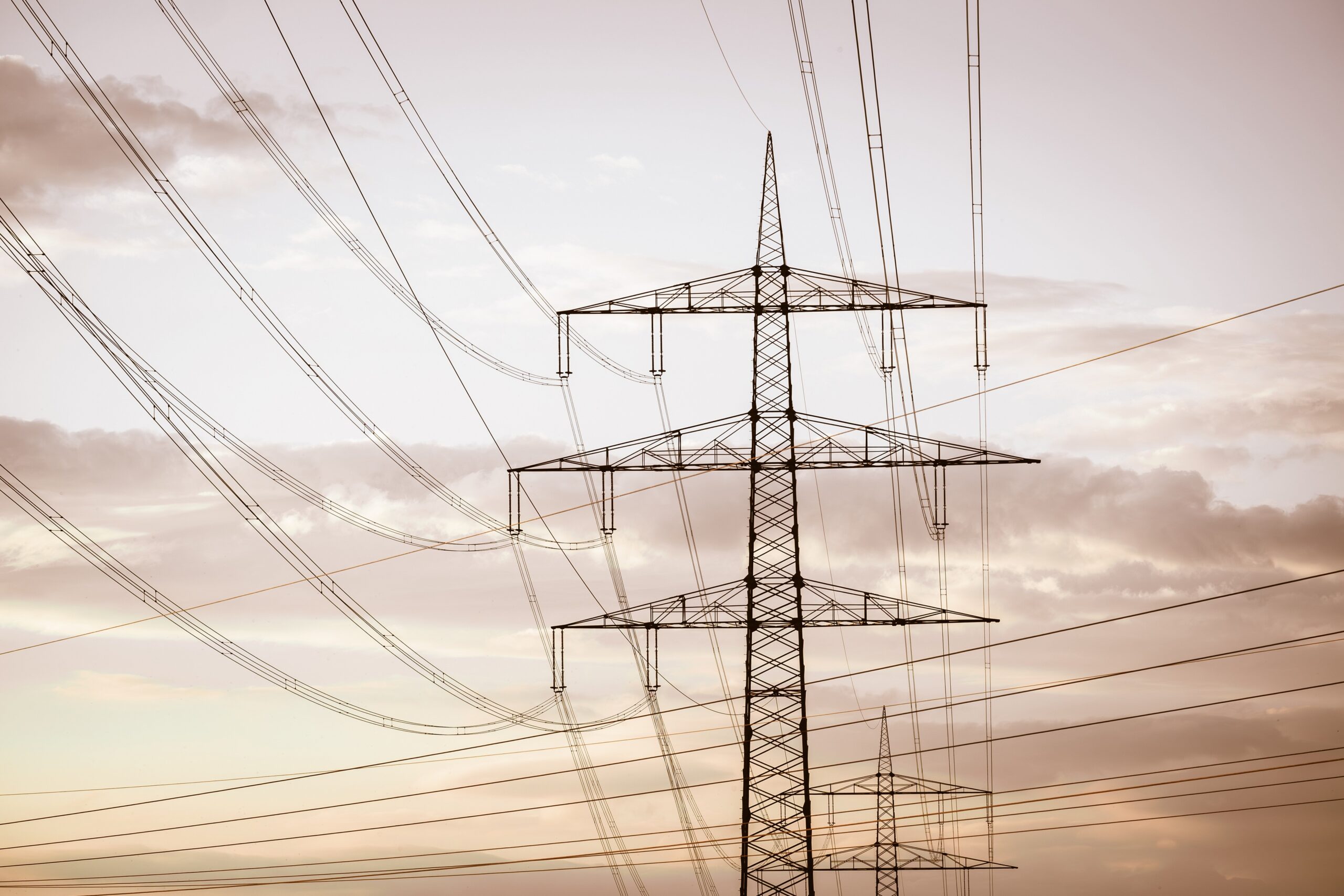
(May 22, 2026) — Last Wednesday, the Pennsylvania Public Utility Commission (PUC) released its final large load model tariff that guides utility companies on how to handle large data centers. Hyperscale data centers will consume unprecedently large amounts of electricity, which makes them “large load” customers for utility companies.
This anticipated high electricity consumption is driving the need for significant grid upgrades and increasing energy demand, both of which raise energy costs for everyone. This PUC policy is a critical first step toward better protecting Pennsylvanians from shouldering the cost of large-scale data center development.
At a time when our lawmakers are scrambling to catch up to data center growth and energy demand, the PUC’s forward-thinking policy outlines certain standards that, if adopted by utilities, can improve transparency, better support low-income customers, and prevent infrastructure costs incurred for data centers from shifting onto everyday residents and small businesses.
These guidelines are an important step, but the PUC failed to act on key clean energy and reliability issues in this policy. Pennsylvania is at a crossroads where, without proper policy and regulations, data center buildout will create more fossil fuel generation, and lock in a future of environmental, climate, and public health harms.
Despite this, the PUC evaded any recommendation for data centers to bring their own clean energy sources online, which would both improve grid reliability and avoid emitting pollution. Similarly, the PUC failed to address whether data centers should interrupt or reduce their energy usage during periods of high energy demand.
The PUC does not yet have the authority to directly regulate data centers and set binding requirements, so these guidelines are only effective if the utilities choose to adopt them in their future rate proceedings. Currently, there is proposed legislation that, if passed, would direct the PUC to create binding regulations for data centers.
“Pennsylvanians are already paying for data center buildout through increased energy costs,” Alex Bomstein, Executive Director of Clean Air Council, said. “Until our decisionmakers take real, binding steps toward strong regulations on data centers, Pennsylvanians will continue to bear the burden of rising energy costs.”
Bomstein pointed out that the PUC’s large load model tariff sets a floor for how utility companies should think about their requirements to ensure data centers pay their fair share, but it misses the opportunity to provide guidance on the importance of clean energy in this conversation.
“It is critical that lawmakers and regulators act swiftly to build on this foundation and pass policies that will provide meaningful protections from rising energy costs due to data centers,” Bomstein said.
