
We Can’t Let Data Centers Lock Pennsylvania Into More Fossil Fuels
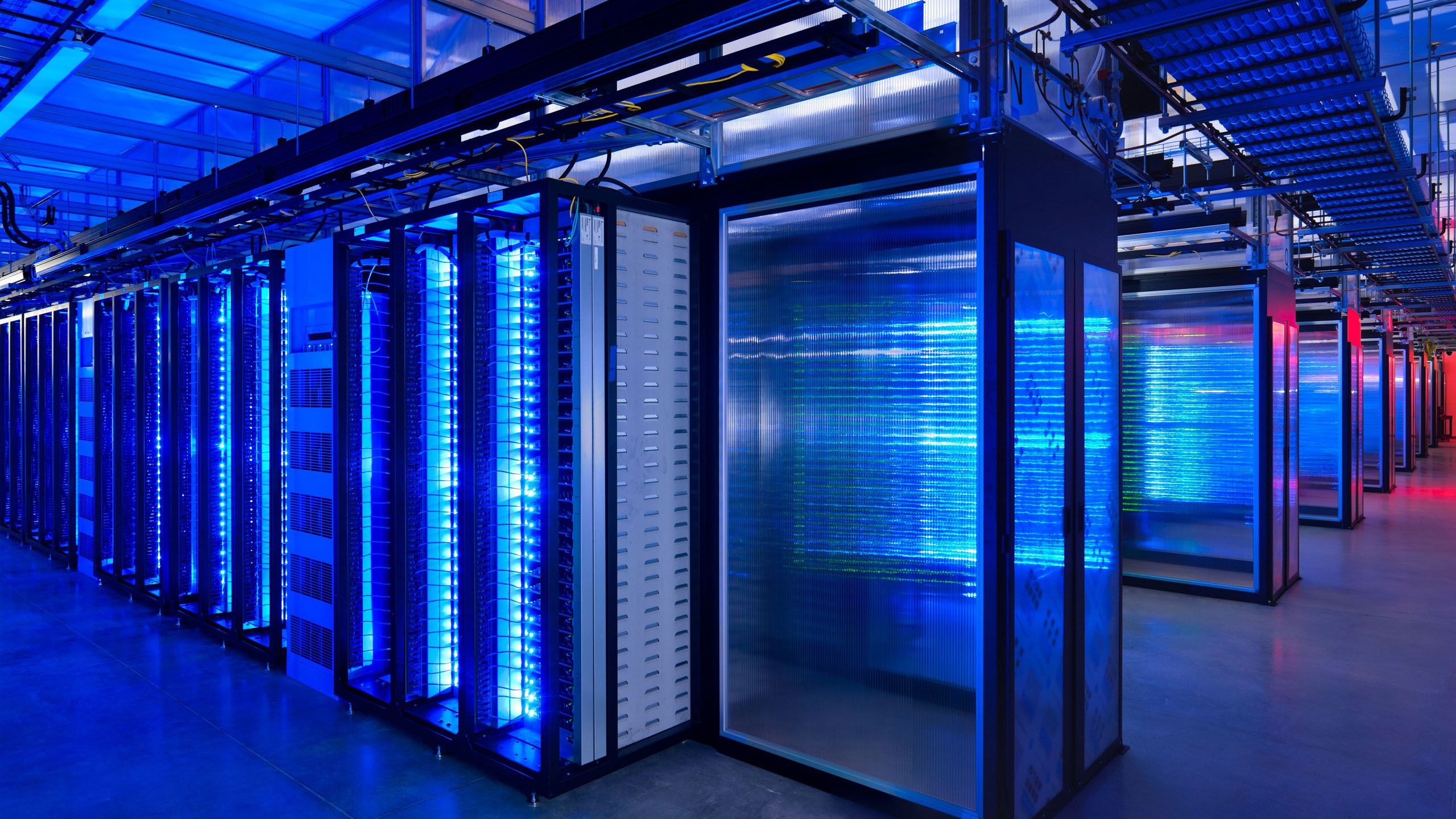
More than 350 gas-powered generators could soon be operating just outside Philadelphia as part of Amazon’s proposed data center in Fairless Hills, Bucks County. The Pennsylvania Department of Environmental Protection (DEP) is hosting a public meeting about this proposal July 14.
Over the July 4 holiday heatwave, existing data centers were instructed to run their gas generators on already polluted days, severely endangering local public health. We need our elected officials to prevent this from happening again.
On hot summer days, when the region is already struggling with unhealthy air quality, those generators could add significant pollution to the air we breathe. Unless elected officials act now, this proposal could become a model for future data center development across southeastern Pennsylvania.
Meeting growing electricity demand doesn’t mean building more fossil fuel infrastructure.
Data centers rely on massive amounts of electricity, and how we meet that demand will shape Pennsylvania’s energy future. Electricity costs are rising in Philadelphia, but expanded solar deployment has helped moderate those increases.
Rather than responding to growing electricity demand with more fossil fuel development, city residents should demand that new data center development bring more solar onto our grid, making it easier for homes and commercial spaces to electrify while reducing our reliance on fossil fuels.
The City is already taking steps in this direction. A planned 1.5 megawatt solar farm near the Northeast Philadelphia Airport would give the City government a set electricity rate for 25 years, in addition to a 20-year contract with a solar farm in Clearfield County, PA, further locking in long-term electricity rates for municipal operations, but not for residents.
This should be extended to include Pennsylvania households. Pennsylvanians are still waiting for the state legislature to pass House Bill 1155, which would allow households to benefit from community solar projects and see savings on their electric bills while supporting clean energy.
We can’t allow data center growth to become an excuse for slowing the transition away from fossil fuels.
Regardless of nearby industrial development, residents can take action on their own. Moving from gas cooking and heating appliances to electric devices will improve air quality inside your home and throughout the region.
In the middle of a polluted, summer heat wave, it doesn’t make much sense to heat a tank of water with an open flame so you can wash your hands. Tankless, electric water heaters that only heat the water you need could have a massive impact on the city’s public health while reducing energy bills.
Nationwide, electricity consumption is increasing, yet new solar generation — not additional gas-fired power — is meeting much of that demand. Pennsylvania should follow that example.
Courts have affirmed that states have the right to set a standard for the air pollution that’s emitted by gas appliances in buildings. Transitioning away from your own household gas appliances is one way to remove gas pollution from your life. Contacting your elected officials to ask them to push back against the hundreds of gas generators proposed in the region is another.
Click here to tell your state and local officials to support a three-year pause on data center development.
