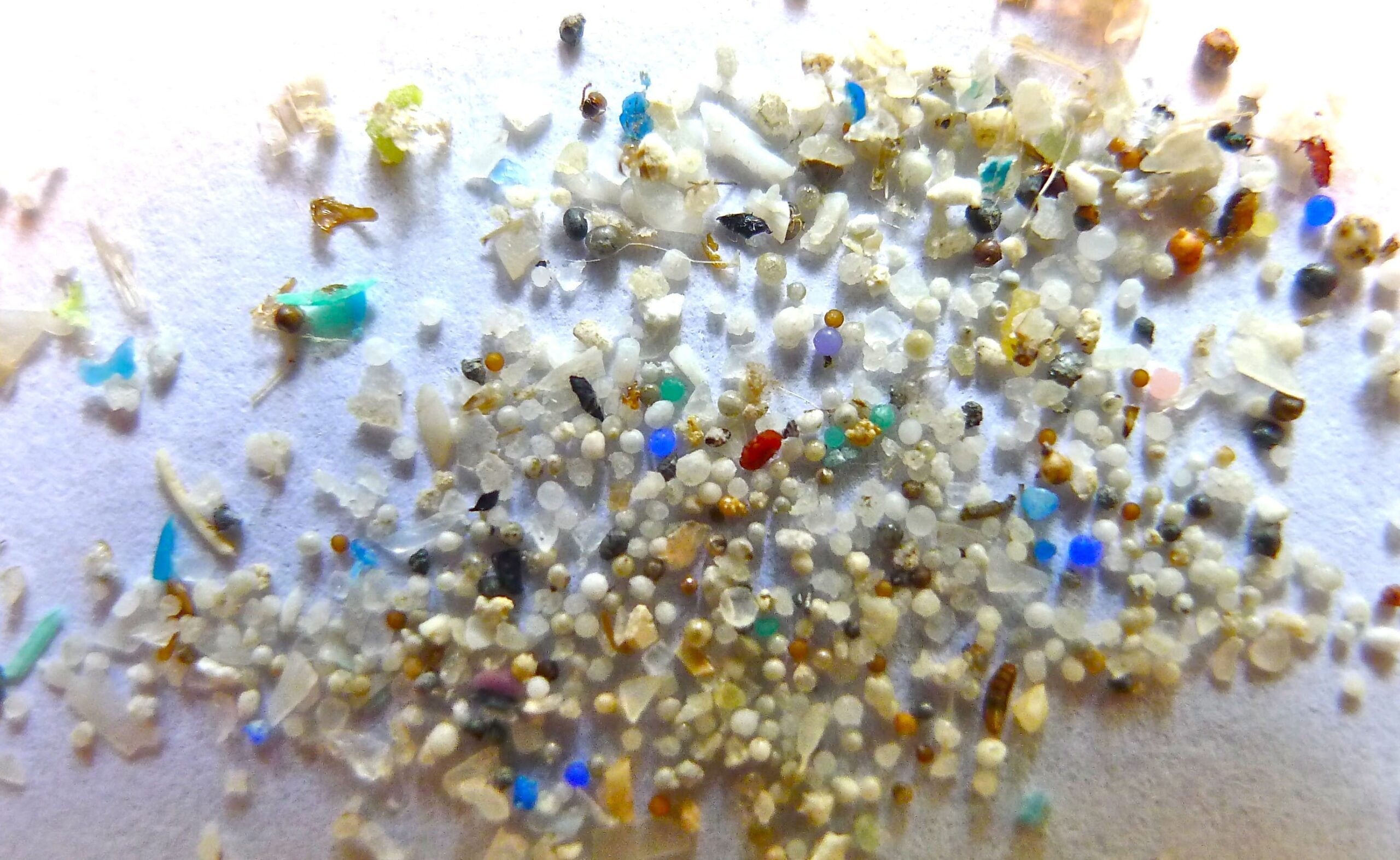
Microplastics
Plastic pollution is one of the fastest-growing environmental challenges of our time. Every year, millions of tons of plastic are produced, used, and thrown away. Much of it ends up in our environment, contaminating our air, water, food, and bodies.
As larger plastic items break down, they create microplastics, which are tiny plastic particles smaller than five millimeters. Microplastics are now so widespread that they have become nearly impossible to avoid. Scientists are increasingly concerned about what that means for human health, particularly for the digestive, reproductive, respiratory, and cardiovascular systems.
Plastic pollution is not just a waste problem. It is also an air quality, public health, and environmental justice issue.
THE PROBLEM
Microplastics Are Everywhere
Plastics do not fully biodegrade, which means that every piece of plastic ever created continues to break down into smaller and smaller particles called microplastics.
Scientists have detected microplastics in rivers, lakes, oceans, soil, food, drinking water, and the air. They have been found everywhere from the deepest parts of the ocean to the summit of Mount Everest.
Research also shows that microplastic pollution has increased dramatically over the past several decades. A study led by Penn State researchers found that microplastic contamination in Pennsylvania waterways increased alongside global plastic production from the 1950s through the 2010s.
Microplastics Are in Our Bodies
Microplastics are no longer just an environmental issue. They are also a public health concern.
Whether we realize it or not, we encounter microplastics every day through food, water, and air. One study found plastic particles in 81 percent of tap water samples tested worldwide.
Microplastics have been found in human blood, lungs, heart tissue, brain tissue, and more. Scientists are still working to understand exactly how microplastics affect human health, but a growing body of research suggests that they might contribute to inflammation and could affect respiratory, digestive, reproductive, and cardiovascular health.
Plastics and Forever Chemicals
Many plastic products contain PFAS, a class chemicals often called “forever chemicals” because they do not break down easily and can remain in the environment for generations.
As plastic products continue to degrade, they can release both microplastics as well as the toxic chemicals they contain. This means that a single plastic product can create more than one pollution problem as it breaks down over time.
Scientists are increasingly finding PFAS-based microplastics throughout the environment and in people. Researchers have detected these particles in blood, urine, lungs, placentas, and semen.
Plastic Pollution Is an Environmental Justice Issue
Many of the communities most affected by plastic pollution are already burdened by poor air quality and other environmental hazards.
Pennsylvania is home to significant petrochemical and plastics infrastructure, including facilities that rely on fracked gas for plastic production. These operations can contribute to air pollution, climate pollution, and public health concerns for nearby residents.
Too often, the communities facing the highest levels of pollution are also those with the fewest resources to address it. Any solution to the plastic pollution crisis must put these communities first.
THE SOLUTION
Reducing plastic pollution requires action at every level. While policymakers and industry must address the root causes of plastic pollution, individuals can take steps to reduce their exposure and support broader solutions.
Reduce Plastic at the Source
We can’t recycle our way out of the plastic pollution crisis. The most effective solution is to produce less unnecessary plastic in the first place, especially single-use products that are designed to be thrown away.
Hold Polluters Accountable
Companies that profit from plastic production should help pay for the environmental and public health costs that come with it. Stronger regulations can help reduce plastic pollution before it enters our communities.
Protect Communities from Pollution
Communities deserve stronger protections from pollution associated with plastic production, transportation, disposal, and incineration. Environmental justice communities should not bear a disproportionate share of the burden.
Invest in Better Alternatives
Governments and businesses can invest in reusable packaging systems, safer materials, and other alternatives that reduce our reliance on disposable plastics.
TAKE ACTION
Plastic pollution is a problem that requires more than individual action. It’s important to advocate for change by supporting policies that reduce unnecessary plastic production, holding polluters accountable, and protecting communities from harmful exposure to microplastics and toxic chemicals. Talking about the issue with friends, family, and community leaders can help build support for the long-term solutions we need.
Reduce Your Exposure
No one can avoid microplastics entirely, but we can reduce unnecessary exposure where possible:
• Choose filtered tap water over bottled water
• Avoid microwaving food in plastic containers
• Use glass, stainless steel, or ceramic food storage containers
• Choose natural fiber clothing when possible
• Avoid single-use plastics
• Consider alternatives to non-stick cookware when replacing kitchen items
