
EPA’s Proposed Methane Rule Rollback Threatens the Health of Pennsylvania Communities
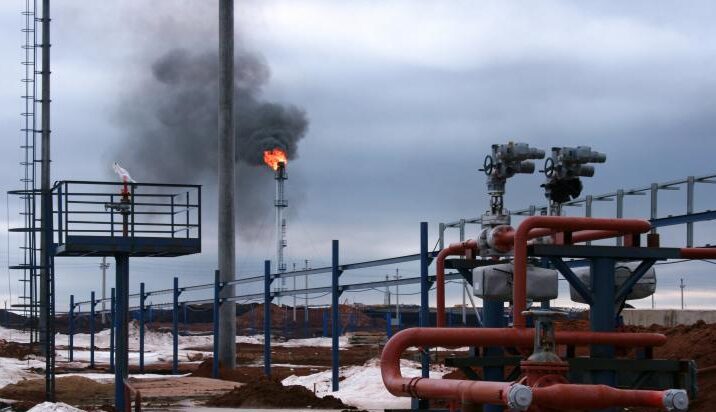
Today, U.S. Environmental Protection Agency (EPA) Administrator Lee Zeldin previewed the Agency’s imminent proposal to weaken critical protections from oil and gas pollution.
The 2024 Methane Rule is a landmark EPA regulation designed to sharply curb methane and volatile organic compound (VOC) emissions from oil and fracked gas operations. Methane, a powerful greenhouse gas, is a leading contributor to climate change.
The rule, which was developed with significant input from advocates, the oil and gas industry, investors, health experts, and elected officials, provided commonsense measures to protect public health and reduce methane waste. These measures include standards to monitor and repair leaks, the phase-out of routine flaring, and the replacement of process controllers with non-emitting alternatives.
President Trump and Administrator Zeldin’s unlawful delay of the implementation and enforcement of the Methane Rule, and now their proposal to roll it back, is a continued attack on the well-being of all Americans. Pennsylvanians in particular will be harmed by the reconsideration of the Methane Rule.
The Commonwealth is the second-largest producer of gas, and over 1.5 million Pennsylvanians live within just half a mile of active oil and gas infrastructure. It is more important now than ever that states act. Governor Shapiro’s recent announcement to develop state rules that reduce methane emissions is a key step to protecting residents.
“EPA’s mission is to protect human health and the environment, yet it continues to stray further from that goal,” said Alice Lu, policy analyst with Clean Air Council. “The latest proposal to roll back methane standards is an affront to the health of Pennsylvanians. This rule was the result of years of advocacy and, for impacted residents and advocates, is more than just another regulatory action. It is a way of holding oil and gas operators accountable for their wasteful practices and ensuring residents are protected from the industry’s dangerous pollution.”
