
If You Want to Go Far, Go Together: Why More Success is Achieved Through Collaborative Work
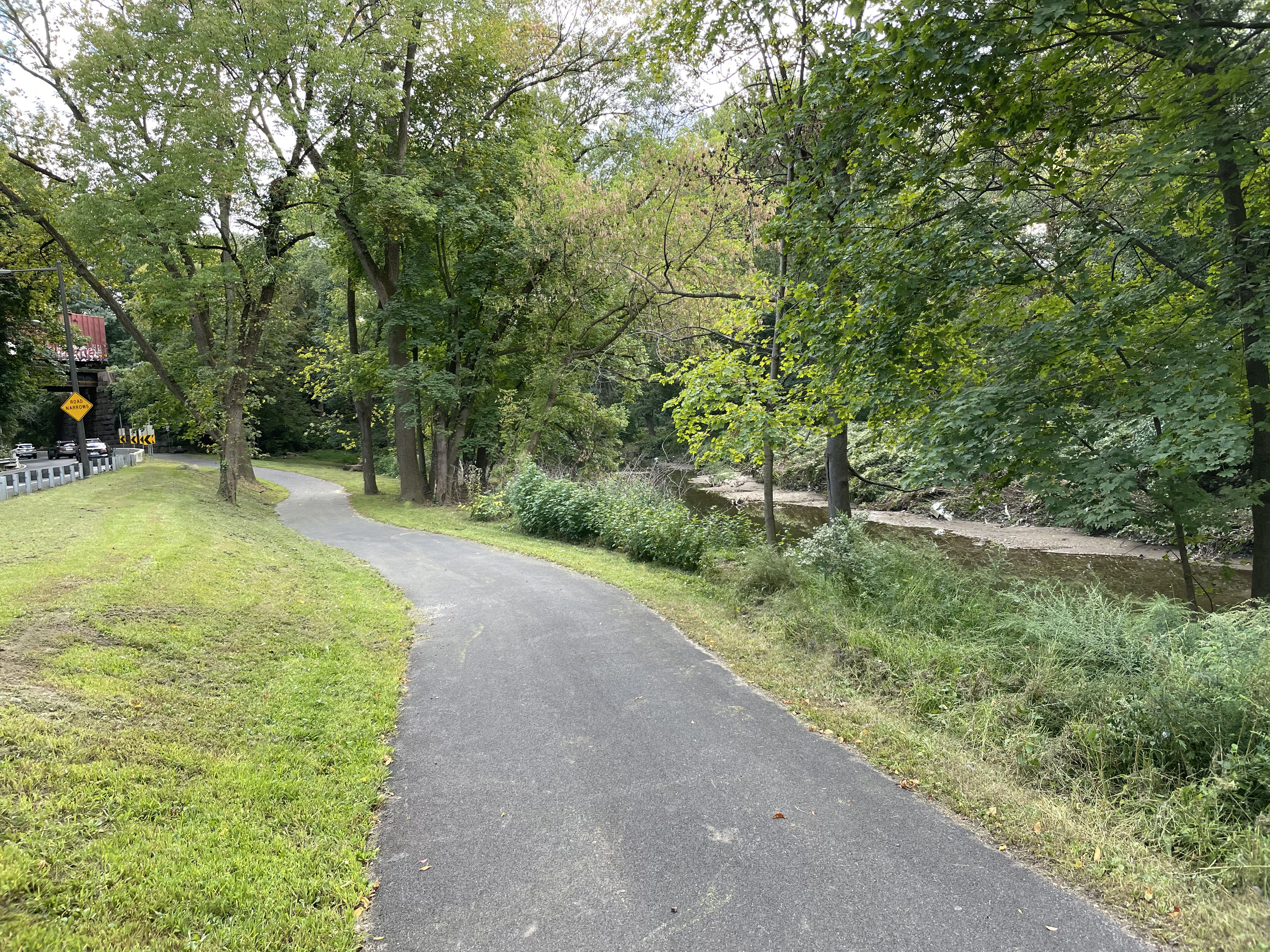
The Cobbs Creek Watershed Coalition convenes monthly to collectively move forward the goals of activation, stewardship and accessibility for our watershed neighborhoods. A valuable tenet that we have adopted is the power of working together. Our hope is that this practice is evergreen for us and others working to support greener, well-resourced, and more just communities. In Philadelphia, a city rich with environmental challenges and opportunities, nonprofit organizations are increasingly realizing that the path to lasting impact lies in collaboration. Environmental nonprofits, once operating in silos, are now recognizing that pooling their strengths (be it in data collection, project management, community organizing, or public education) leads to more powerful and sustainable outcomes. As the proverb goes, “If you want to go fast, go alone. If you want to go far, go together.” This ethos is proving true in the environmental sector, where working together often translates to broader reach, deeper impact, and smarter resource use.
Philadelphia’s environmental issues are complex and interconnected, and they include urban heat islands, flooding, waste management, food insecurity, and equitable access to green space. No single organization can tackle these multifaceted challenges alone. However, through collaborative work, nonprofits can bring their specialized expertise to the table and support each other’s missions in complementary ways. A group strong in data collection like Hinge Collective, for instance, can partner with another excelling in community education like the Black Farmers Co-op to ensure that insights gathered from field research are translated into accessible, actionable information for the public.
Consider how a collaboration between an environmental education nonprofit and a grassroots community organizer might work. The education nonprofit may have robust curriculum tools, trained educators, and established school partnerships, while the community-based group offers deep relationships within underserved neighborhoods and a trusted voice on local concerns. Working together, they can deliver culturally relevant, impactful programs that neither could have fully achieved on their own.
Organizations that excel in programming and project management are also invaluable partners. These nonprofits often have the logistical capacity to design and execute large-scale initiatives but may lack direct access to target populations or the nuanced understanding of community needs. Pairing with organizations skilled in engaging special populations such as immigrant communities, low-income residents, or individuals with disabilities, can bridge these gaps and create more inclusive and effective environmental initiatives.
Environmental nonprofits in Philadelphia that collaborate can also pool resources, funding, tools, office space, and staff expertise, reducing redundancies and maximizing impact. Instead of competing for limited grants, organizations can pursue joint funding opportunities, often viewed favorably by funders who see value in cross-sector partnerships. Sharing staff or equipment for events and programs also stretches every dollar further, allowing nonprofits to invest more in the communities they serve rather than in administrative overhead.
Another major benefit of collaboration is the ability to amplify advocacy efforts. When multiple organizations with aligned missions speak with a united voice, they wield greater influence over policy decisions at the city and state levels. Coordinated campaigns around climate justice, green infrastructure, or sustainable development have a higher chance of success when supported by a coalition rather than a single group. Decision-makers are more likely to respond when they see broad-based community backing and a clear, collective agenda.
Philadelphia has already seen successful examples of this collaborative approach. Networks such as the Cobbs Creek Watershed Coalition and The Public Interest Law Center’s Land Justice Coalition bring together diverse partners working in conservation, food access, and environmental justice. These coalitions not only share resources and best practices but also foster a culture of mutual support and accountability.
In an age where environmental challenges are growing in scale and urgency, collaboration is no longer optional, it’s essential. By working together, environmental nonprofits in Philadelphia can magnify their impact, strengthen community trust, and drive meaningful, long-term change. Each organization brings a unique strength to the table, and when combined strategically, those strengths form a powerful force for good.
Ultimately, the future of environmental progress in Philadelphia will depend not on how well any one organization performs alone, but on how well they can join forces to go farther, together.
