Join us and make your voice heard about what you want to see in play spaces in your community!
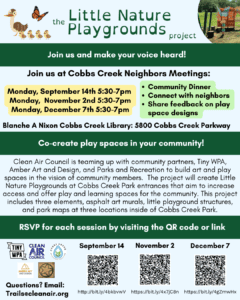
Join us and make your voice heard about what you want to see in play spaces in your community!
Join us and make your voice heard about what you want to see in play spaces in your community!
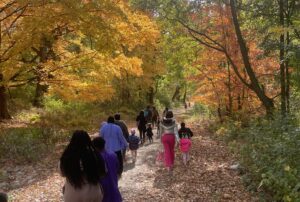
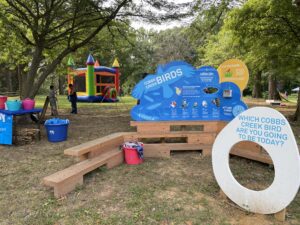
For the 10th year in a row, Cobbs Creek Community Environmental Center welcomes the community to celebrate the season at the free Harvest Festival on Saturday, October 25, 2025! All are welcome to this annual event, which features activities to connect attendees with the environment, as well as live music.
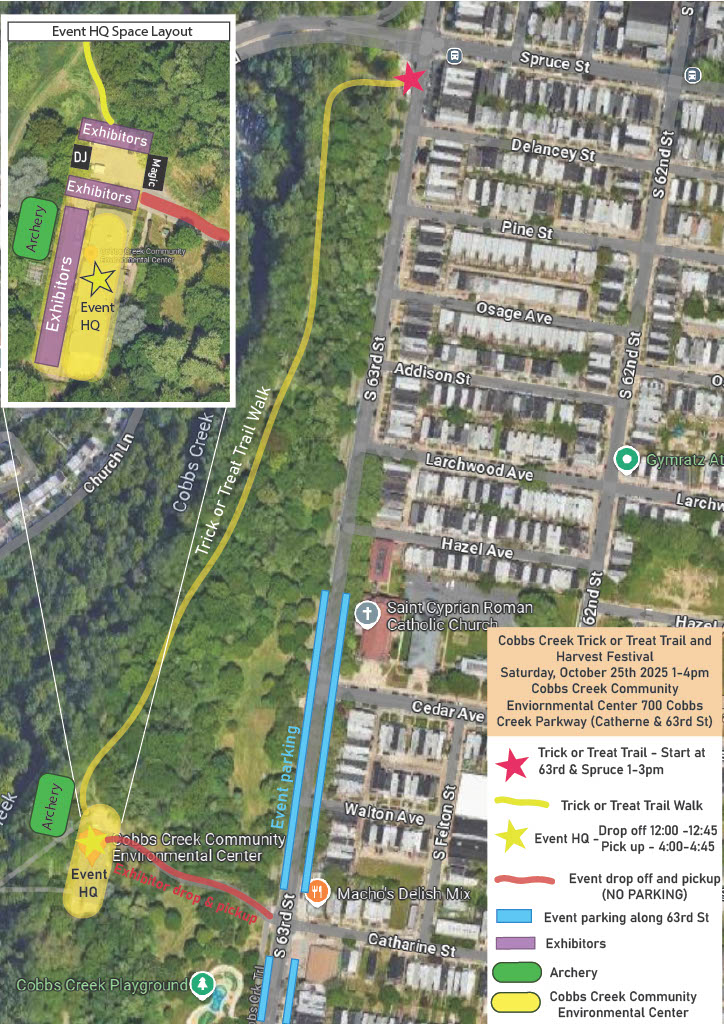
Starting at 1pm, trick-or-treaters will meet at Spruce Street and Cobbs Creek Parkway to make their way down the wooded natural surface trail to the Environmental Center. (Costumes are encouraged but not required!) Also from 1-3 p.m., children can enjoy face paint, balloon animals, a magician, and arts and crafts, or try their hand at archery starting at 2 p.m. Festival attendees can also expect to connect with new community resources and learning opportunities, including bird walks and nature education. We’d love to see you there!
See the festival map below for help navigating to the event.
The Cobbs Creek Watershed Coalition is composed of several impactful organizations and neighbors, all lending stewardship and expertise to a shared vision to inspire and support the communal care of our watershed neighborhoods. Our open coalition also aims to amplify our work by coming together to offer vibrant programming and engagement to West and Southwest Philadelphia Watershed neighborhoods. Learn about some of our coalition members below.
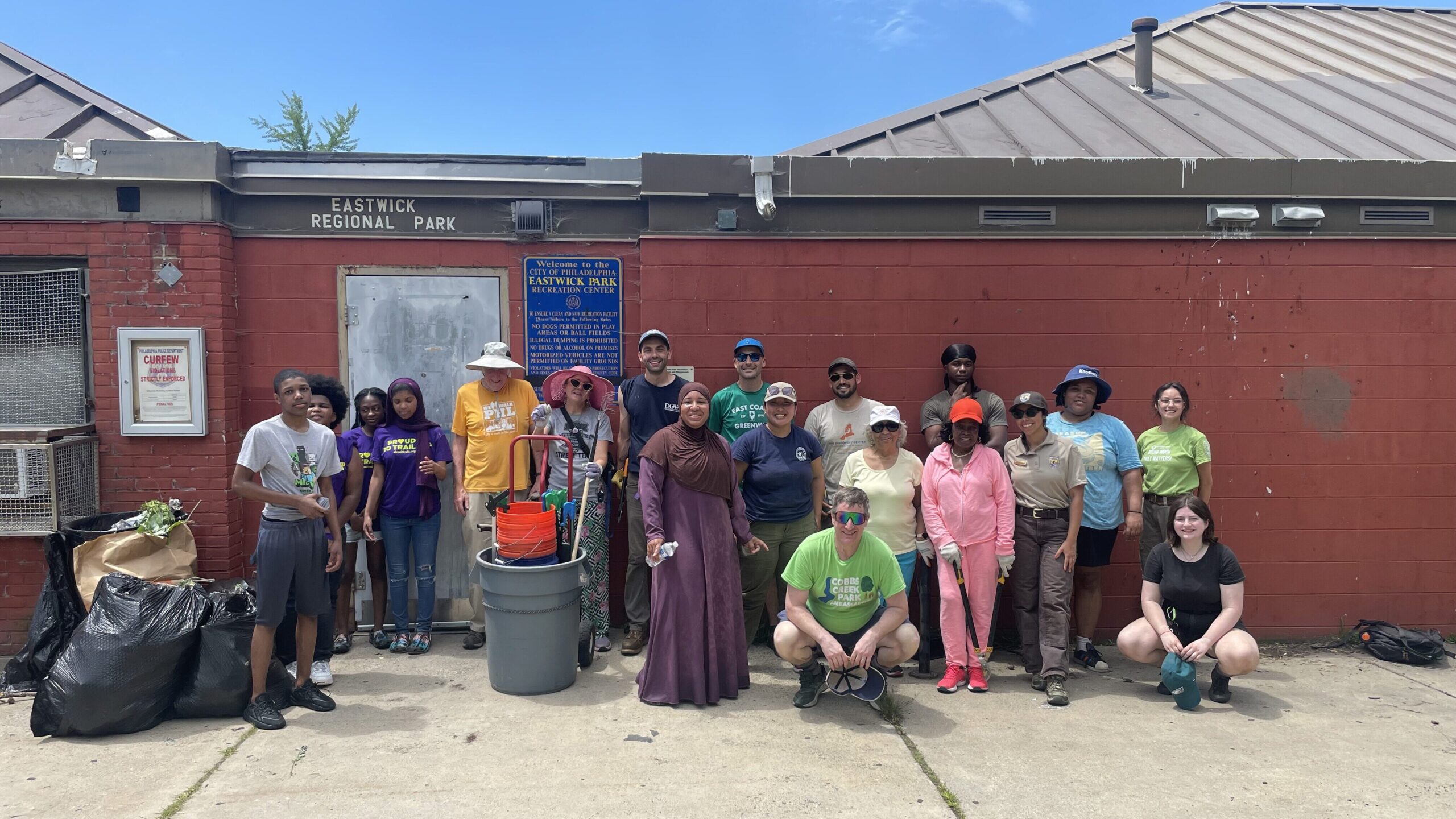
Cobbs Creek Ambassadors are a community group dedicated to the care and cleanup of Cobbs Creek Park and Trail. Beyond their essential work of removing litter, their goal is to foster community pride and motivate people to become active stewards of these outdoor spaces.
Global Thinking Initiatives is an organization with a focus on community education and social impact initiatives. They aim to promote a culture of economic citizenship, social and financial inclusion, and educational opportunity—particularly for underserved groups—by offering scholarships, financial literacy programming, and tools to help families, students, and savers make informed economic decisions.
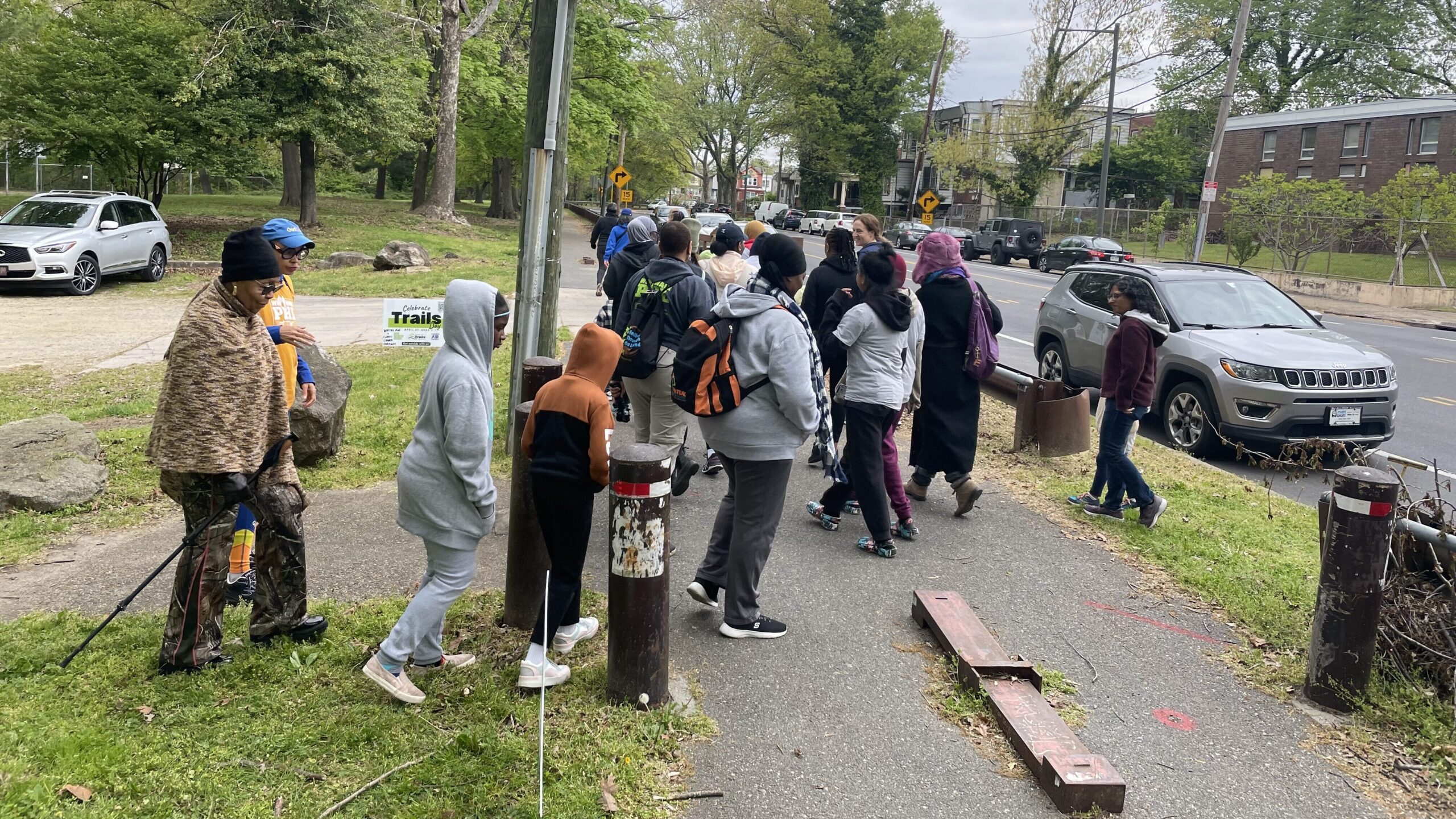
Original American Foundation was created by and for American Indians and American People of Color in Philadelphia and focuses on land stewardship and creating healthy communities. They also lead workshops and education opportunities around growing food, planting native plants, and skills in acquiring and maintaining land.
Southwest CDC began in1987 and supports Southwest Philadelphia residents with services like housing counseling, workforce development, and youth programs.
Cobbs Creek Community Environmental Center has served as a local community pillar, offering environmental education programs, hands-on activities, research opportunities, and teacher training for over twenty years. The center and its surrounding lands feature meadows, a forest, two creeks, and a wetland, providing a rich setting for its environmental programming and community engagement events.
UC Green is a Philadelphia nonprofit that mobilizes volunteers and residents to plant and maintain street trees, gardens, and green spaces across West and Southwest Philly.
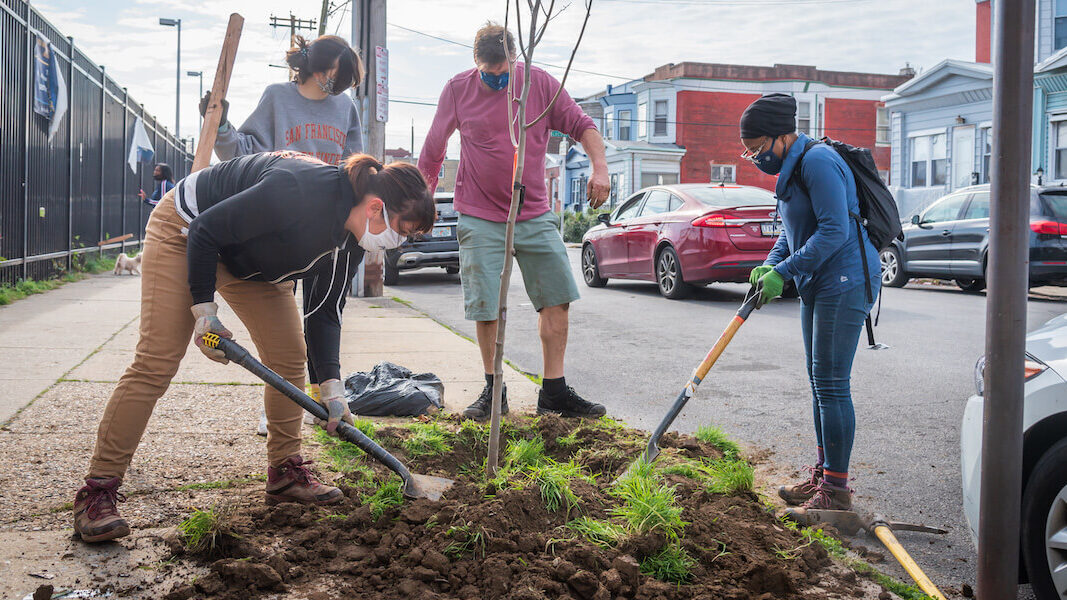
Audubon Mid-Atlantic is a nonprofit protecting birds and their habitats through science, advocacy, and conservation efforts in the mid-atlantic region of the United States. Their work includes local conservation education and engagement initiatives.
LandHealth Institute is a Philadelphia‑based nonprofit focused on environmental education and restoring local ecosystems through immersive programming and native plant initiatives.
Philadelphia Mycology Club‘s mission is to study, collect, and document fungi; to foster accessibility, diversity, and inclusivity through educating the community on fungi; and to steward the land and advocate for fungal conservation.
Black Farmers Co‑op is a grassroots organization working to eliminate food insecurity and promote urban farming through cooperative growing and education in Philadelphia.
Riverways is dedicated to connecting people with Philadelphia’s urban waterways through education, storytelling, and environmental advocacy, with a focus on community engagement.
Interested in joining the Cobbs Creek Watershed Coalition? Reach out to trail@cleanair.org or submit your email below.
By Teresa Hong and Alexander Chong – Clean Air Council Bridging the Gap Drexel University Interns
As we wrapped up our assessment of Cobbs Creek Trail this summer, one thing became clear: this trail is more than a pathway through green space—it’s a lifeline that has long connected communities, memories, and meaning. In conversations with residents, we unearthed stories that revealed just how deeply rooted Cobbs Creek is in the neighborhood’s history.
The Cobbs Creek Trail bridge wasn’t just a way to cross the creek; it was a meeting point, a playground, a boundary-breaker. Learning about the racial covenants that once segregated Philadelphia neighborhoods was both eye-opening and sobering. Yet hearing how kids from different backgrounds used to gather, play, and build friendships along the trail painted a more hopeful picture. The open space by the creek served as a backdrop for celebrations, community events, and everyday joy. The smiles on residents’ faces as they recounted those memories spoke volumes. Those stories reminded us that trail maintenance isn’t just about physical upkeep—it’s about preserving legacy.
Throughout this summer, we documented many of the issues affecting Cobbs Creek Trail, but it’s clear that our work is only the beginning. Our data reflects what residents already know: the current state of maintenance falls far short of what this community deserves. While the trail offers natural beauty and expansive greenery, its deteriorating infrastructure and lack of safety features deter the very people it’s meant to serve.
Safety and accessibility, in line with Clean Air Council’s mission, are the most urgent needs. Trails, no matter how scenic, are underutilized when they feel unsafe. Damaged and unrepaired guardrails—likely from past car crashes—send a silent but powerful message: that community safety is not a priority. Residents echoed this concern, noting how such neglect discourages trail use and adds to a sense of abandonment.
Beyond safety, we observed serious wear and tear on user-facing infrastructure like benches, picnic tables, and playground equipment. Many of these were overgrown, rusted, or broken—no longer inviting or even functional. In some spots, erosion, and water damage affected roads, sidewalks, and curbs, creating significant accessibility barriers, particularly for individuals with disabilities. A truly inclusive trail must be navigable and welcoming to all.
Being part of the Trail Maintenance Team taught us that trail care isn’t just about fixing what’s broken—it’s about preventing things from breaking in the first place. Deferred maintenance doesn’t just delay enjoyment; it increases future costs and compounds community frustration. One lesson that stuck with us came from a mother who pointed out a broken swing seat that had remained unusable for months. “A new park is nice,” she said, “but it means nothing if it’s not usable.” We agreed—and made it a priority to document and report the issue through 311, fulfilling a promise we made to her and ourselves.
Of all the work we did this summer, our conversations with residents were the most impactful. They helped us understand the deeper significance of our task. For many, seeing Cobbs Creek in its current condition is heartbreaking—not just because of what’s broken, but because their children no longer experience the same joy and freedom they once did. Trail maintenance, we realized, is not just a technical issue. It’s a community issue. It’s about restoring trust, honoring history, and fostering a healthier future.
Ultimately, a well-maintained trail is a public health investment. It invites families out of their homes, promotes physical activity, and creates shared space for joy, rest, and connection. We hope our efforts help bring renewed attention to Cobbs Creek Trail and serve as a spark for long-overdue investment in this vital space. The trail has carried stories for generations—now, it’s time to care for it in return.
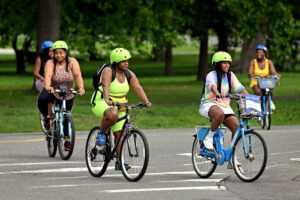
Black Girl Joy Ride, a proud mini-grant recipient from the Cobbs Creek Watershed Coalition, is more than just a bike ride—it’s a powerful movement rooted in community, empowerment, and outdoor exploration. Led by the inspiring Iresha Picot, this initiative aims to foster connection, promote wellness, and encourage the use of the Cobbs Creek Trail, one of Philadelphia’s most scenic urban greenways.
The inaugural ride and bike maintenance workshop took place on August 9th and brought together a vibrant group of riders for a day of education, exploration, and joy. Participants learned basic bike maintenance skills thanks to a hands-on workshop provided by Mittens Pop-Up Bike Shop, ensuring everyone felt safe and confident on the trail.
Following the workshop, riders took to the Cobbs Creek Trail, discovering the beauty and accessibility of this neighborhood gem while building meaningful connections with one another. Black Girl Joy Ride is open to all who support its mission and especially uplifts Black women and girls in reclaiming outdoor spaces for recreation, healing, and joy.
But the journey doesn’t stop here! Three more rides and workshops are planned for this fall, offering additional opportunities for the community to get involved. Whether you’re a seasoned cyclist or just getting started, these upcoming events will continue to offer free bike safety education, trail exploration, and unforgettable community experiences.
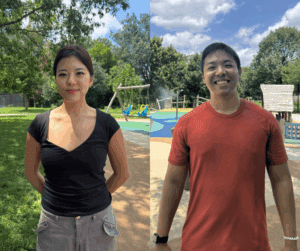
By Teresa Hong and Alexander Chong – Clean Air Council Bridging the Gap Drexel University Interns
Environmental justice is undeniably an important social determinant of health. As medical students, we recognize that where people live and the resources they can access have a direct impact on their physical and mental well-being. To better understand how these factors play out in the community we serve, we spent a summer working with the Clean Air Council, focusing on an often overlooked resource in Philadelphia: trails.
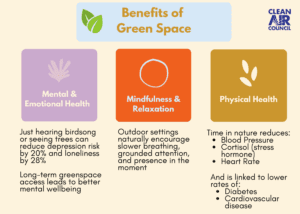
Our project centered on supporting trail longevity using a new mobile app called the Trail Maintenance Toolkit (TMT). This app, developed by the Pennsylvania Environmental Council, allows users to document, assess, and geolocate trail infrastructure, from benches and lighting to drainage features and debris. Our focus was the Cobbs Creek Trail, an area that is both underserved and historically underfunded. Trails like Cobbs Creek are more than recreational paths; they’re vital community assets. Everyone deserves access to safe, well-maintained green space. In fact, access to green space has been linked to lower rates of diabetes, heart disease, and even premature death. These are chronic conditions that disproportionately affect Philadelphians. In this way, trails like Cobbs Creek can serve as preventative medicine, especially in neighborhoods with limited health resources.
At first, the work of documenting the trail was a bit daunting. We were unfamiliar with terms like inlets, which direct water off the path, and bollards, which block unauthorized vehicles from entering pedestrian areas. We had never walked the full trail before, and we weren’t sure what to expect. But the app quickly proved to be intuitive and well-organized. Using geolocation, we could drop points of interest directly onto the trail map and categorize them by type and condition.
The main categories for points of interest include:
| Trail surface | Trail amenities | Drainage features | Debris | Trail support |
| Trail structure | Signage | Vegetation Management | Environmental concerns | Trail crossings |
Each category is color-coded and can be broken down into subcategories. For example, “Trail amenities” includes:
| Benches | Litter receptacles | Bike racks | Bike repair stations | Lighting |
| Picnic tables | Other seating | Drinking fountains | Bollards | Other |
Each point also includes notes, condition ratings, photos, and the suspected source of any damage. You can also attach files or add more detailed descriptions. The webinar has a good breakdown for categorizing the condition of assets.
One thing we quickly learned was that it’s easy to overlook features when you’re not actively looking. Early on, we only recorded things that were broken or needed repair. But we realized that documenting well-maintained structures—bike racks, benches, light poles—was just as important. A full picture of trail health includes the good as well as the bad. We aimed for full completion, hoping to record every visible trail detail, no matter how small. It became both a learning process and a deeply rewarding one.
The TMT helped us see the trail differently. We began to notice swales, which are shallow, vegetated channels that manage water flow, and subtle erosion on the trail surface. We spotted features like signage and drainage systems that had gone unnoticed before. What once felt like a walk in the park became a meaningful exploration of urban infrastructure, public health, and community investment.
By the end of the project, we were proud of what we had contributed. Our documentation will inform real maintenance and improvement efforts, helping ensure Cobbs Creek Trail remains safe and accessible for years to come. But beyond that, the experience gave us a deeper appreciation for how environmental justice intersects with healthcare. The Trail Maintenance Toolkit has real potential to create positive change in the Cobbs Creek community, and we are proud to have played a part in that process.
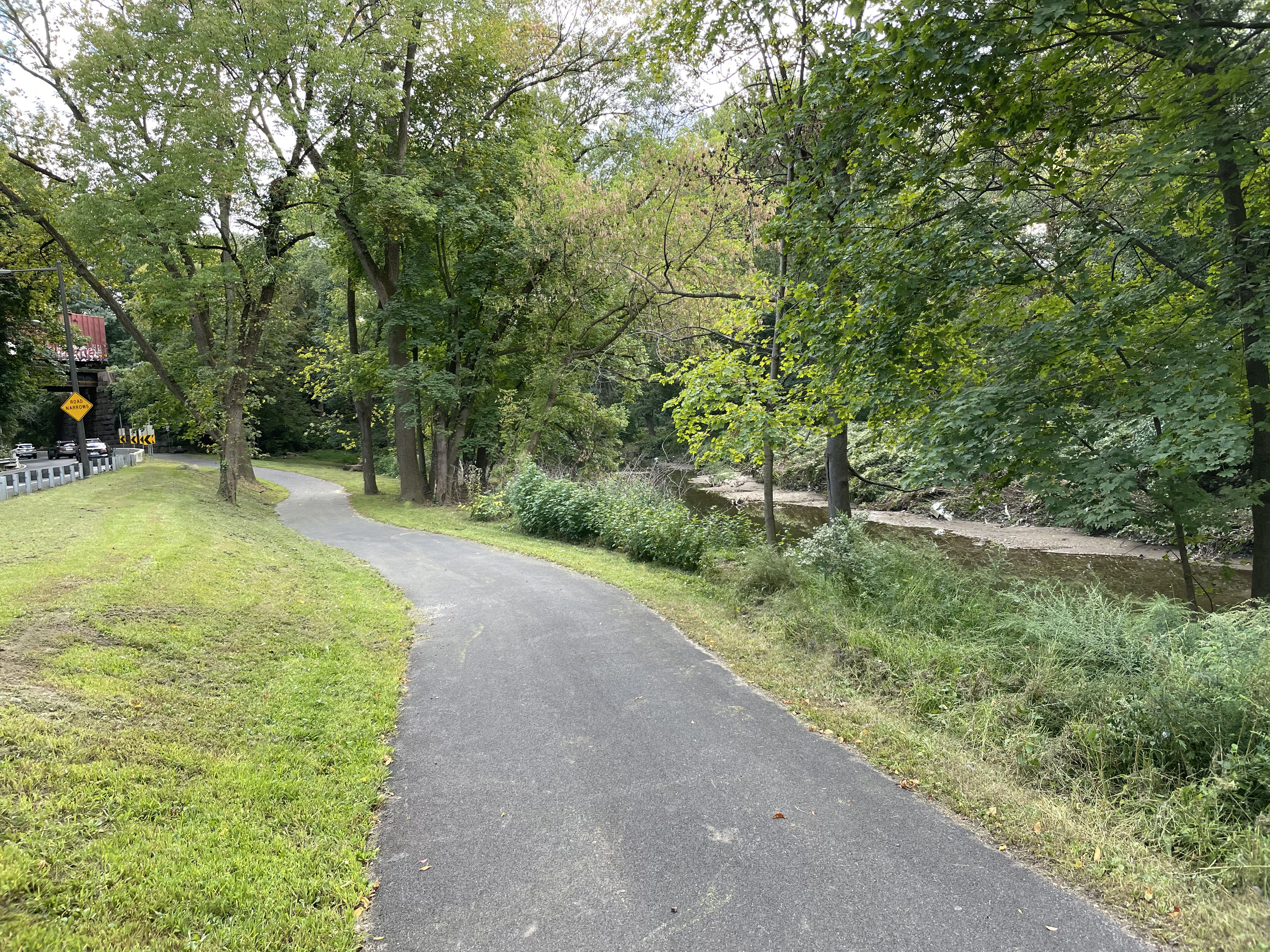
The Cobbs Creek Watershed Coalition convenes monthly to collectively move forward the goals of activation, stewardship and accessibility for our watershed neighborhoods. A valuable tenet that we have adopted is the power of working together. Our hope is that this practice is evergreen for us and others working to support greener, well-resourced, and more just communities. In Philadelphia, a city rich with environmental challenges and opportunities, nonprofit organizations are increasingly realizing that the path to lasting impact lies in collaboration. Environmental nonprofits, once operating in silos, are now recognizing that pooling their strengths (be it in data collection, project management, community organizing, or public education) leads to more powerful and sustainable outcomes. As the proverb goes, “If you want to go fast, go alone. If you want to go far, go together.” This ethos is proving true in the environmental sector, where working together often translates to broader reach, deeper impact, and smarter resource use.
Philadelphia’s environmental issues are complex and interconnected, and they include urban heat islands, flooding, waste management, food insecurity, and equitable access to green space. No single organization can tackle these multifaceted challenges alone. However, through collaborative work, nonprofits can bring their specialized expertise to the table and support each other’s missions in complementary ways. A group strong in data collection like Hinge Collective, for instance, can partner with another excelling in community education like the Black Farmers Co-op to ensure that insights gathered from field research are translated into accessible, actionable information for the public.
Consider how a collaboration between an environmental education nonprofit and a grassroots community organizer might work. The education nonprofit may have robust curriculum tools, trained educators, and established school partnerships, while the community-based group offers deep relationships within underserved neighborhoods and a trusted voice on local concerns. Working together, they can deliver culturally relevant, impactful programs that neither could have fully achieved on their own.
Organizations that excel in programming and project management are also invaluable partners. These nonprofits often have the logistical capacity to design and execute large-scale initiatives but may lack direct access to target populations or the nuanced understanding of community needs. Pairing with organizations skilled in engaging special populations such as immigrant communities, low-income residents, or individuals with disabilities, can bridge these gaps and create more inclusive and effective environmental initiatives.
Environmental nonprofits in Philadelphia that collaborate can also pool resources, funding, tools, office space, and staff expertise, reducing redundancies and maximizing impact. Instead of competing for limited grants, organizations can pursue joint funding opportunities, often viewed favorably by funders who see value in cross-sector partnerships. Sharing staff or equipment for events and programs also stretches every dollar further, allowing nonprofits to invest more in the communities they serve rather than in administrative overhead.
Another major benefit of collaboration is the ability to amplify advocacy efforts. When multiple organizations with aligned missions speak with a united voice, they wield greater influence over policy decisions at the city and state levels. Coordinated campaigns around climate justice, green infrastructure, or sustainable development have a higher chance of success when supported by a coalition rather than a single group. Decision-makers are more likely to respond when they see broad-based community backing and a clear, collective agenda.
Philadelphia has already seen successful examples of this collaborative approach. Networks such as the Cobbs Creek Watershed Coalition and The Public Interest Law Center’s Land Justice Coalition bring together diverse partners working in conservation, food access, and environmental justice. These coalitions not only share resources and best practices but also foster a culture of mutual support and accountability.
In an age where environmental challenges are growing in scale and urgency, collaboration is no longer optional, it’s essential. By working together, environmental nonprofits in Philadelphia can magnify their impact, strengthen community trust, and drive meaningful, long-term change. Each organization brings a unique strength to the table, and when combined strategically, those strengths form a powerful force for good.
Ultimately, the future of environmental progress in Philadelphia will depend not on how well any one organization performs alone, but on how well they can join forces to go farther, together.
Clean Air Council is thrilled to share that we have received William Penn Foundation’s Increasing Investment in Philadelphia Public Parks grant funding!
This funding builds on the Council’s previous KaBOOM! Playful Learning Spaces project to expand the project to four additional park areas that will include additional asphalt art murals painted on the paved trail, play and rest structures immediately adjacent in the park next to the trail, as well as wayfinding signs. The Council’s current project will continue to focus on connecting people to greenspace and directly incorporate the community’s ideas and hopes for new playful learning spaces. Our aim is tp create more welcoming entrances to the park, establish deeper connections to nature, and offer improved park and trail experiences for residents in West and Southwest Philadelphia.
The Council plans to meet with Cobbs Creek Community stakeholders over the 2025 summer and kick off our community engagement process in late 2025 and early 2026 with some fun activities and food. Residents interested in staying informed about this project can email transportation@cleanair.org to learn more.
