
“The Hub” is a weekly round-up of transportation related news in the Philadelphia area and beyond. Check back weekly to keep up-to-date on the issues Clean Air Council’s transportation staff finds important.
Are you registered to vote? The deadline for PA voters to register for the November 4th election is Monday! Check your status and register here.
Join the Transit For All PA campaign for sustainable transit funding to keep our state moving forward.
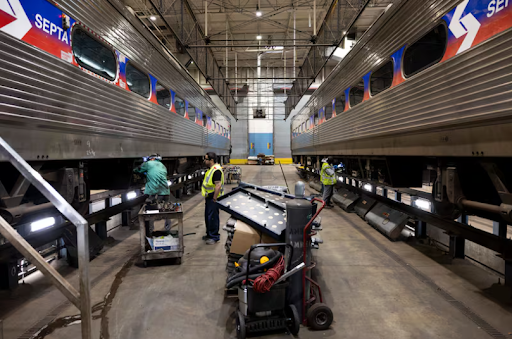
The Inquirer: See inside SEPTA’s efforts to inspect Regional Rail cars that keep catching fire – An emergency order by the Federal Railroad Administration has ordered SEPTA to inspect 225 Silverliner IVs by the end of the month. Inspectors and engineers are looking for signs of overheating and damage to circuits, and are doing electrical testing. The review process began last week, and crews can now handle 12 cars per day. So far inspections have not found any glaring issues, other than normal wear and tear.
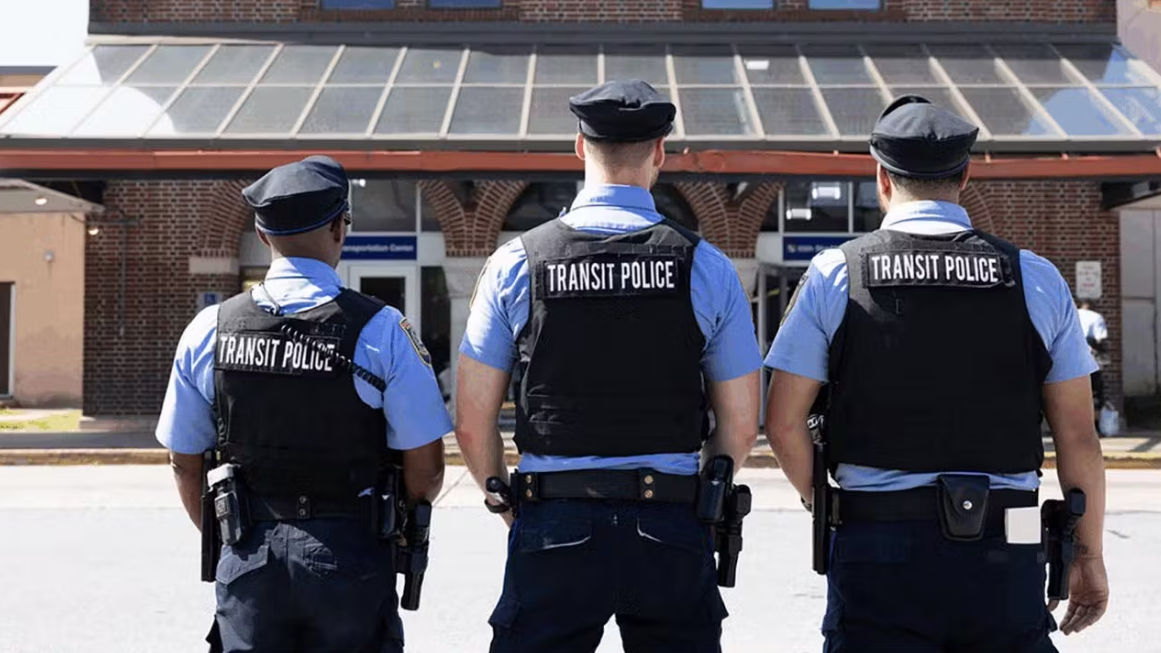
CBS Philadelphia: SEPTA says crime continues to drop as transit agency cracks down on fare evasion – Crime has continued to drop on SEPTA according to a quarterly report released on Wednesday. The report showed a 10% decrease in serious crimes compared to the same period of last year. Seven out of eight crime categories have seen a reduction, and riders have reported feeling safer at stations and on board vehicles.
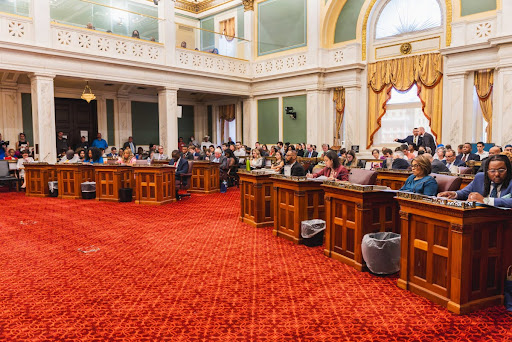
NBC Philadelphia: Philly City Council holds public hearing on SEPTA’s Silverliner IV trains – Amid safety concerns and the inspection of Silverliner IV railcars, Philadelphia City Council’s Transportation and Public Utilities Committee hosted a public hearing. Ongoing delays, the status of inspections, and SEPTA’s timeline were discussed at 2 p.m. on Thursday. SEPTA was given October 31st as their deadline, and they are on track to meet that. The return to “normal”, as things were before inspections began, might be a bit of a longer wait according to the SEPTA General Manager.
Other Stories
NBC Philadelphia: Road closures, SEPTA detours for ‘No Kings’ protest in Philadelphia this weekend
6ABC: ‘We Walk PHL’ helps community members get active and explore Philly parks
CBS Philadelphia: PATCO restores train service after PSE&G power outage
Streetsblog USA: States Have More Power Than They Think to Fund Sustainable Transportation
BillyPenn: Philly disability rights advocates demand accessible 2026 celebrations
NBC Philadelphia: Enjoy a 20-mile car-free experience with Philly Bike Ride this October
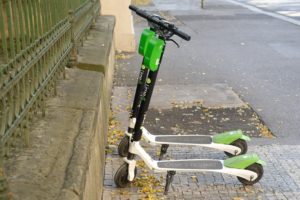
Two major steps toward bringing dockless electric scooters to Pennsylvania and Philadelphia happened this week. Rep. Greg Rothman, R-87th, of Cumberland County and Rep. Stephen Kinsey, D-201st, of Philadelphia introduced HB 631 on Tuesday, that would add electric scooters to the “Special Vehicles and Pedestrians” section of Pennsylvania’s vehicle laws.
Today, Philadelphia City Council held a public hearing on dockless e-scooters and Clean Air Council delivered comments in support of this alternative mode of transportation, along with some of our concerns for how they would be implemented.
Electric scooters have the potential for great environmental benefits, and the Council is excited to see them possibly coming to Philadelphia in the future. The transportation sector in the United States makes up roughly 30% of greenhouse gas pollution, and a large portion of that comes from personal vehicles.
Public transportation, bikes, and walking are well known long-term alternatives to replace car trips, and the Council believes e-scooters are a new low emissions mode and an alternative that may take more cars off the road.
Studies in Cincinnati and Portland show that roughly 1/3 of scooter trips replaced either a personal car or an Uber/Lyft. Motor vehicle congestion is a major contributor to poor air quality in Philadelphia so alternatives to single occupancy vehicle trips must be considered. The Council supports these innovative companies working with the Office of Transportation, Infrastructure, and Sustainability to come up with transportation solutions that will reduce air pollution and the effects of climate change.
The Council believes it is not enough for the e-scooter trips to be low-emission, and believes part of the permit process should be that companies employ sustainable business practices when operating here. Two points are critical. First, the energy sourced for the trips should be renewable either through credits, or through the grid itself. Second, and most importantly, the companies operating in Philadelphia should commit to disposing of their waste sustainably, and recycling all of it.
Sustainable disposal of scooters that are no longer useable is important to the Council since companies turnover their fleet at least annually. No scooters used in Philadelphia should end up in a landfill. The batteries and other electronic components should be dealt with through sustainable e-waste practices, and the other parts of the scooters should be recycled or reused. How these companies deal with this waste is critically important from an environmental perspective.
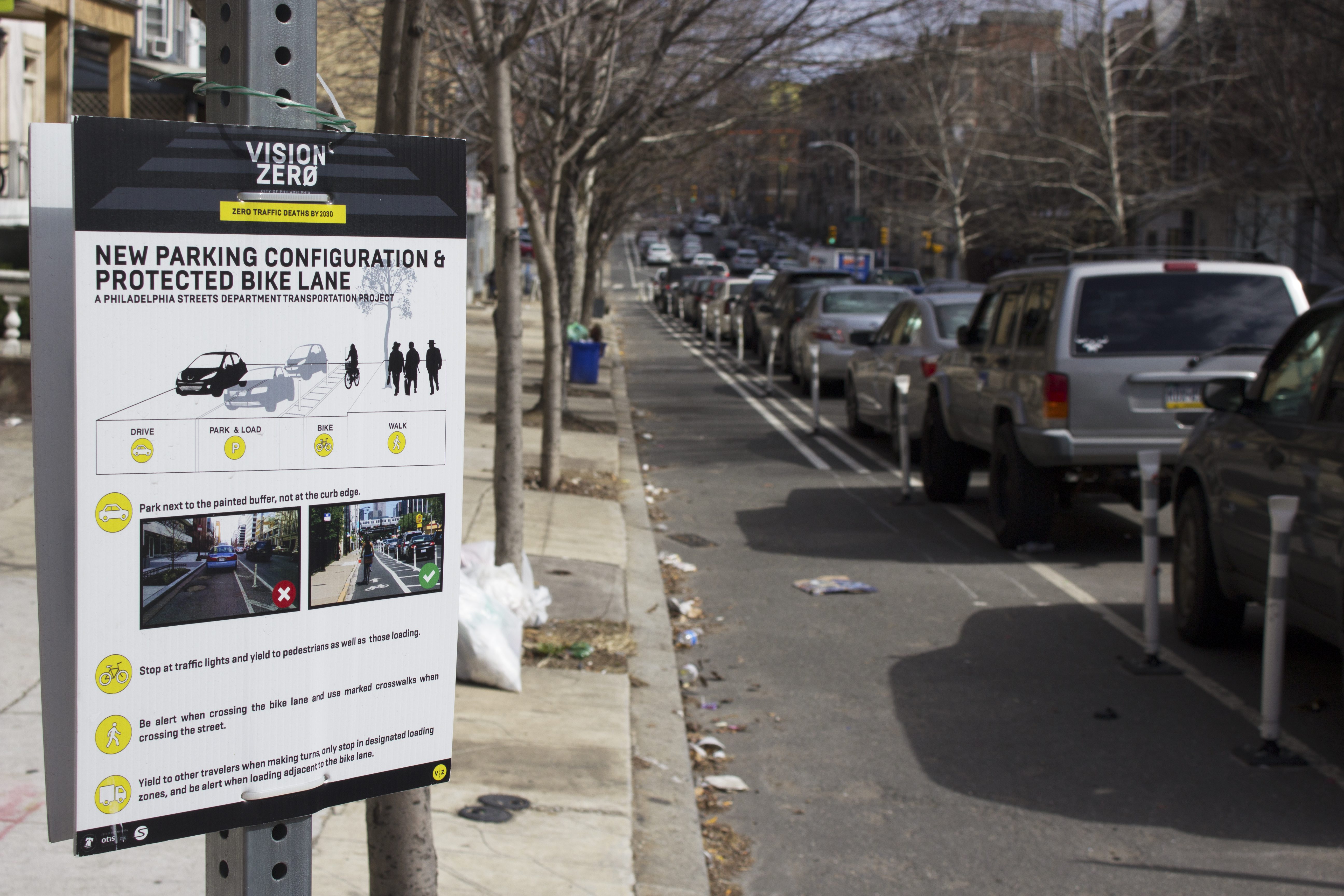
The Council believes e-scooter companies should commit to being part of the city’s Vision Zero goals. Users who feel safe on our streets are central to their business model. This means investing in all of Philadelphia’s alternative transportation modes and contributing to a fund that takes a portion from each ride and puts it toward safe infrastructure.
These funds should be diverted from the General Fund and go to meet the city’s Vision Zero goals either through projects like restriping our roads, installing pedestrian bump-outs, education campaigns, or other engineering projects.
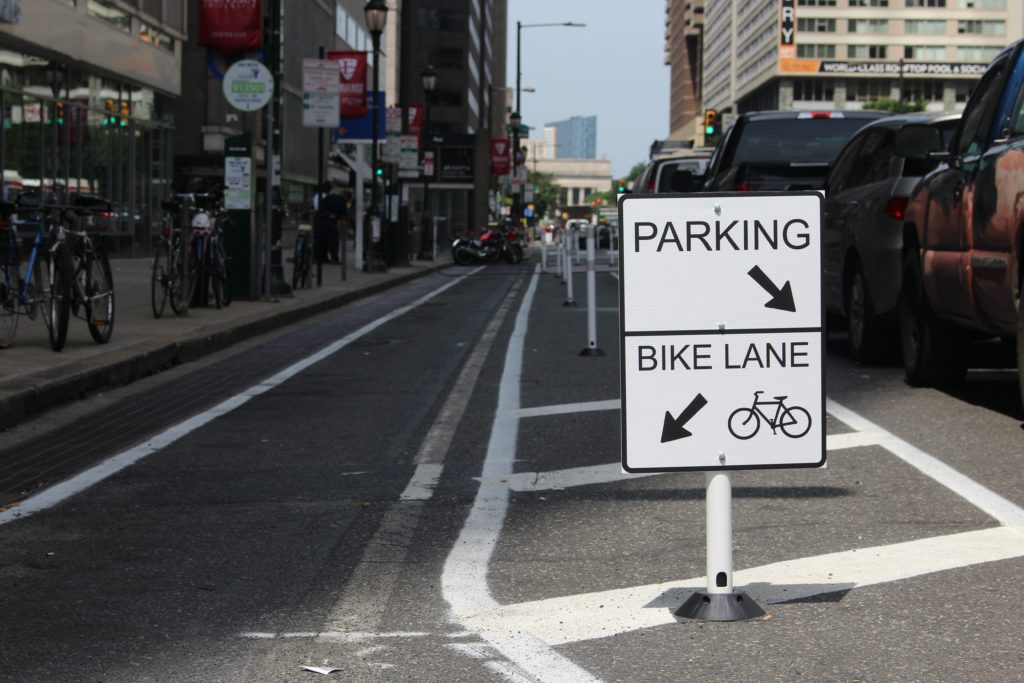
The Council also supports the rights of pedestrians to travel uninhibited on public sidewalks, walkways, and crosswalks and wants to ensure that people follow the law by not riding e-scooters on sidewalks. The best way to protect pedestrians from scooters riding on sidewalks is to create streets that are safe for all users. Safety includes having good policies in place to prevent scooters from inhibiting pedestrians. Enforcement should occur through the e-scooter apps and ensure that rides cannot end until the scooter is parked in an appropriate location that does not inhibit pedestrians.
Equally important to safety and sustainability is equity. These scooters will use public resources to operate, so they should serve all Philadelphians. Other cities require a certain percentage of scooters be placed in low-income and predominantly minority neighborhoods, and Philadelphia should not only do this, but lead the way with the most progressive regulations for equitable re-balancing. This would be in accordance with the demographics of our city. Companies should also be required to accept cash payment and be available to riders who don’t have a smartphone.
While the Council has several concerns about implementing scooters in a way that prioritizes sustainability, safety, equity, and transparency, we believe the city and the companies that want to operate here can address all of these concerns. The Council is excited about any new mode that curbs greenhouse gas emissions – we have a little more than a decade left to make major reductions to avoid the worst effects of climate change, and we cannot afford to miss out on opportunities to electrify a large portion of our transportation fleet.
Click here to read a full transcript of our e scooter testimony
