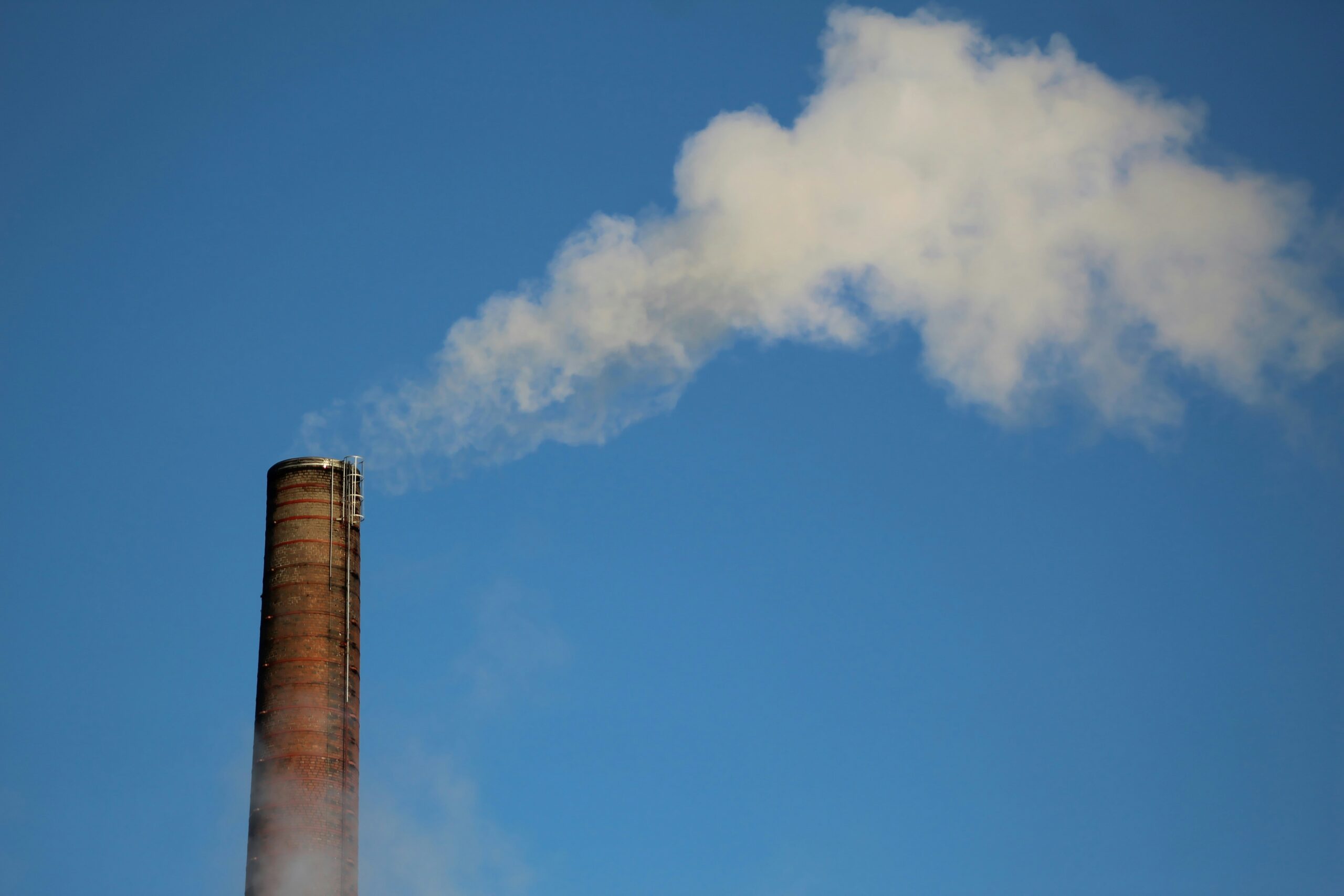
WASHINGTON D.C. (November 26, 2025) – Today, the U.S. Environmental Protection Agency (EPA) released its final rule to delay critical methane protections—which EPA released in 2024. This rule comes after EPA Administrator Lee Zeldin unlawfully used the Interim Final Rule process to immediately delay the 2024 Methane Rule without allowing Americans, including impacted residents, to voice their concerns about how the delay will harm their health.
The methane-mitigating technologies and strategies required by the rule are readily available and cost-effective. However, instead of requiring industry polluters to comply with these commonsense protections, Administrator Zeldin has illegally pushed the Delay Rule ahead to give oil and gas companies a free pass for their pollution.
As a result of this delay, people living closest to oil and gas infrastructure are continuing to be unnecessarily exposed to pollution from the industry, which would otherwise have been addressed through the 2024 Methane Rule. Once fully implemented, the 2024 Methane Rule is expected to reduce 58 million tons of climate-warming methane emissions, 16 million tons of health-harming volatile organic compounds, and 590 thousand tons of hazardous air pollutants by 2038. The Rule is estimated to prevent nearly 100 thousand cases of asthma symptoms each year.
Alex Bomstein, Executive Director of Clean Air Council, issued the following statement:
“The delay of the 2024 Methane Rule is EPA’s latest move to favor polluters while sacrificing the health of Americans who live closest to oil and gas infrastructure. Strong methane standards have widespread and bipartisan support as a commonsense policy to reduce both pollution and waste.”
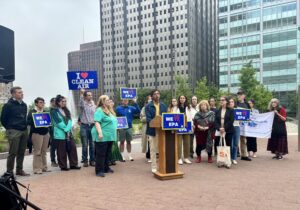
PHILADELPHIA, PA (June 16, 2025) Today, local officials and health and environmental groups joined in Love Park to express their “love” for EPA and how its protections for Pennsylvanians must be saved. The EPA’s core mission is to protect the American people and their communities from dangerous and deadly pollution – instead, through rolling back and attacking pollution protections, Trump and EPA Administrator Lee Zeldin are putting polluters over people, and putting Pennsylvanians at more risk. Speakers addressed the importance of a strong EPA for healthy kids, clean air, safe drinking water, and a more stable climate. They also rallied Congress to protect Americans from dangerous pollution by ensuring we have scientists and public health experts working at a strong EPA and by providing appropriate funding for EPA’s critical work to protect our health and environment.
“When the EPA was first envisioned, the air in many of our cities and industrial hubs here in Pennsylvania was thick with dangerous and often deadly particles, a smog emitted by corporations that reaped astronomical profits as they poisoned our neighbors and toxified our lands,” said Senator Nikil Saval, Pennsylvania’s First Senatorial District. “The dedicated workers at the EPA—the scientists and public health experts whose labor has saved millions of lives and trillions of dollars since the EPA was created—changed this. These workers hold the line against powerful corporations that prioritize the wealth of their CEOs over our lives. They stand on behalf of people and planet, and we stand on behalf of them.”
“Simply put: weakening the EPA will make Philadelphia’s air, water, and soil dirtier, and everyday Philadelphians will foot the bill,” said Liz Lankenau, Director of Philadelphia’s Office of Sustainability. “We need to let our representatives hear, loud and clear, that we do not support the weakening of these vital supports and protections.”
“For decades, the EPA has been a critical line of defense against pollution, leveraging the expertise of scientists and public health experts to protect human health and the environment for all Americans,” said Alice Lu, Clean Air Council Policy Analyst. “Unfortunately, we have watched over the last few months as the current administration continues to indiscriminately gut the agency, coming after programs and standards that would both directly and indirectly benefit Pennsylvania residents.”
“Prevention is cheaper than treatment, and it’s more successful, which means we need research and regulation from the EPA,” said Linnea Bond, Director of Education for Physicians for Social Responsibility Pennsylvania. “When we have seen pollution, contamination, and extreme weather wreak havoc on communities, the EPA coordinates a response to protect communities from further harm. In a world where industrial interests often trump those of the public, investing in the EPA protects our health and saves us money — both the medical systems we depend on and as individuals facing rising costs. Now more than ever, we need a robust EPA.”
“PennFuture calls for an adequately funded EPA that will ensure our communities are protected and have the opportunity to thrive,” said Annie Regan, Campaigns Director at PennFuture. “Recent polling shows that there is overwhelming public support for the EPA across all demographics as Pennsylvanians have seen what happens to their communities when industry is not regulated. The focus on making profits for fossil fuel power plants is taking priority over people’s health, their savings, and protecting the natural environment. Better air quality not only protects our health, but it means fewer missed work days, fewer trips to the doctor, and higher earnings for Pennsylvanian workers.”
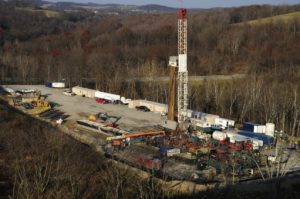
PENNSYLVANIA (July 9, 2024) – Today, the U.S. Court of Appeals for the D.C. Circuit blocked the attempt by several states, along with oil and gas trade associations, to stay, or block, the Environmental Protection Agency’s (EPA) methane standards for the oil and gas industry. Methane, more than 80 times more potent than carbon dioxide over the short term, is a critical target for climate pollution emissions reduction efforts. Human-caused methane emissions currently account for about 30 percent of global warming, with the oil and gas industry being one of the largest sources of methane emissions. The EPA standards would prevent millions of tons of climate warming methane from being emitted. In Pennsylvania, nearly 2 million residents live in proximity to oil and gas operations.
Matt Walker, Clean Air Council Advocacy Director, issued the following statement:
“The court’s decision ensures that EPA’s much-needed methane standards can continue to move forward, better protecting the health of Pennsylvania residents living close to oil and gas operations, and cutting methane at a time when our country is experiencing the dire effects of climate change.”
WASHINGTON, D.C. (December 2, 2023) – The U.S. Environmental Protection Agency (EPA) has finalized methane pollution standards for new and existing oil and gas facilities that include gas wells, compressor stations and storage tanks. These updated environmental regulations will increase required air pollution inspections at oil and gas facilities while requiring widely available control technologies that do not emit climate-warming methane gas directly to the atmosphere. Methane has 87 times the global warming potential of carbon dioxide over a 20-year time period.
Additionally, this rule will require reducing smog-causing volatile organic compound (VOC) emissions as well as air toxic emissions like the known carcinogen benzene. The rule will also include a Super-Emitter Response Program that will provide information regarding air pollution incidents, and their resolutions, to impacted communities.
Joseph Otis Minott, Clean Air Council Executive Director and Chief Counsel issued the following statement:
“President Biden and the EPA are taking meaningful action with rules that set a strong foundation for cutting methane pollution from new and existing oil and gas operations. We look forward to supporting Governor Shapiro in tailoring these rules to ensure they adequately address the concerns of Pennsylvania residents near gas operations. As the second largest producer of fossil gas in the country, Pennsylvania has an outsized responsibility to cut as much climate-warming methane emissions from the gas industry as possible and better protect the health of people living near oil and gas operations.”
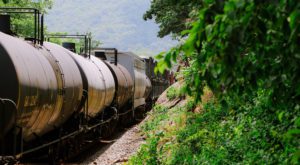
In another huge win for communities threatened by proposed LNG by rail routes, the Pipeline and Hazardous Materials Safety Administration (PHMSA), suspended a controversial LNG by Rail rule this past September. PHMSA is a federal agency under the Department of Transportation that manages pipelines and the transport of hazardous materials including LNG. PHMSA had recently denied a Special Permit to transport LNG by rail from northcentral PA to South Jersey for an LNG export project in New Jersey.
PHMSA had a long-standing ban on the transport of LNG by rail, with some exemptions in specific cases. In 2020, the Trump Administration issued an Executive Order that compelled PHMSA to create a rule that broadly permitted the transport of LNG by rail– even in rail cars not designed to safely carry LNG. The Council is working with other environmental organizations, 15 states, and the Puyallup Tribe to legally challenge and void this Trump-era rule. Currently, the Council and its partners are preparing to argue their case before a federal district court . Meanwhile, the Biden Administration revoked Trump’s Executive Order, which resulted in PHMSA suspending the rule this past September. The Council and its partners now hope the district court will fully void the rule, and prevent the rule from resurrecting after the suspension lapses in 2025.
The current suspension is a significant win on the LNG by rail issue. However, LNG can still be transported by truck, and there continues to be conversation around potential LNG export projects in southeast Pennsylvania. The Council will continue working in coalition with partners and community members to fight the transport and export of LNG and for a fossil-free future.
Read our last blog on LNG by rail to learn more about Clean Air Council’s work on this campaign.
HARRISBURG, PA (November 2, 2023) – In 2020, the recommendations of Pennsylvania’s 43rd Statewide Investigating Grand Jury released a report on the systemic problems of the unconventional oil and gas industry. The Grand Jury made a series of reasonable and easy-to-implement recommendations that would better protect the health, welfare and quality of life of Pennsylvanian residents. Despite the recommendations of the Grand Jury, the Pennsylvania Legislature has done little to implement the Grand Jury recommendations.
Today, Governor Shapiro is moving forward in implementing the Grand Jury Recommendations by instructing Pennsylvania’s Department of Environmental Protection (DEP) to draft regulations to protect Pennsylvania residents and the environment from the chronic pollution emitted by the gas industry.. In today’s press event with CNX Resources, the Governor will highlight new public health and environmental protections from the gas industry. Residents throughout Pennsylvania have been demanding protections from gas infrastructure for years while the gas industry has opposed them.
The Governor has instructed the DEP to adopt regulations that will require the gas industry to disclose all the chemicals used in drilling, set stronger standards for dealing with drilling waste and assure the safety of gathering pipelines. Governor Shapiro also committed to improved standards to reduce climate-changing methane emissions from the gas industry which is a major contributor to climate change.
In Response, Joseph Otis Minott, Esq., Clean Air Council Executive Director and Chief Counsel, released the following statement:
“Clean Air Council strongly supports Governor Shapiro’s decision to move forward in implementing the commonsense public health and environmental standards recommended by the 2020 Grand Jury to better protect Pennsylvania residents from oil and gas operations. For far too long, the gas industry and too many elected leaders have shown a disregard for the harm the industry is causing to residents’ health and the environment. It is past time that our leaders adopt protections from this industry.”
“We applaud Governor Shapiro’s leadership in recognizing the need to further reduce methane pollution from the gas industry, and look forward to supporting him and the DEP in tailoring the forthcoming federal rules to ensure they address the concerns of Pennsylvania residents affected by the gas industry.”
The Council encourages the Governor to additionally propose regulations to require setbacks that better protect residents and our natural resources from harmful gas infrastructure. DEP has the legal authority, scientific evidence, and public support needed right now to adopt setback distances that prevent this infrastructure from being built too close to our homes, schools, hospitals, streams, and wetlands.
To demonstrate how the industry needs to do more, the Governor announced a partnership with the gas company CNX Resources, which agreed to disclose its chemical use and better monitor its emissions, something that residents in areas affected by fracking have been demanding for years.
This summer, Clean Air Council and partners filed a joint lawsuit against the Commonwealth of Pennsylvania, challenging a recently-passed law that blocks critical efforts to require oil and gas companies to set aside sufficient funds to plug wells. In enacting this law, the Commonwealth in essence forced state taxpayers to foot the bill to plug abandoned wells or continue to suffer the harms of leaking and dangerous abandoned oil and gas wells.
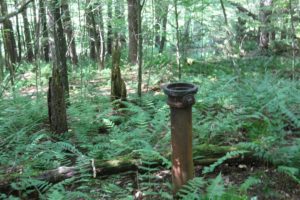
For over a hundred years, oil and gas drillers have exploited the state’s fossil fuels and then abandoned unprofitable wells without plugging them to prevent leaks. As a result, Pennsylvania is home to hundreds of thousands of unplugged, abandoned oil and gas wells that can often spew toxic gases into communities.
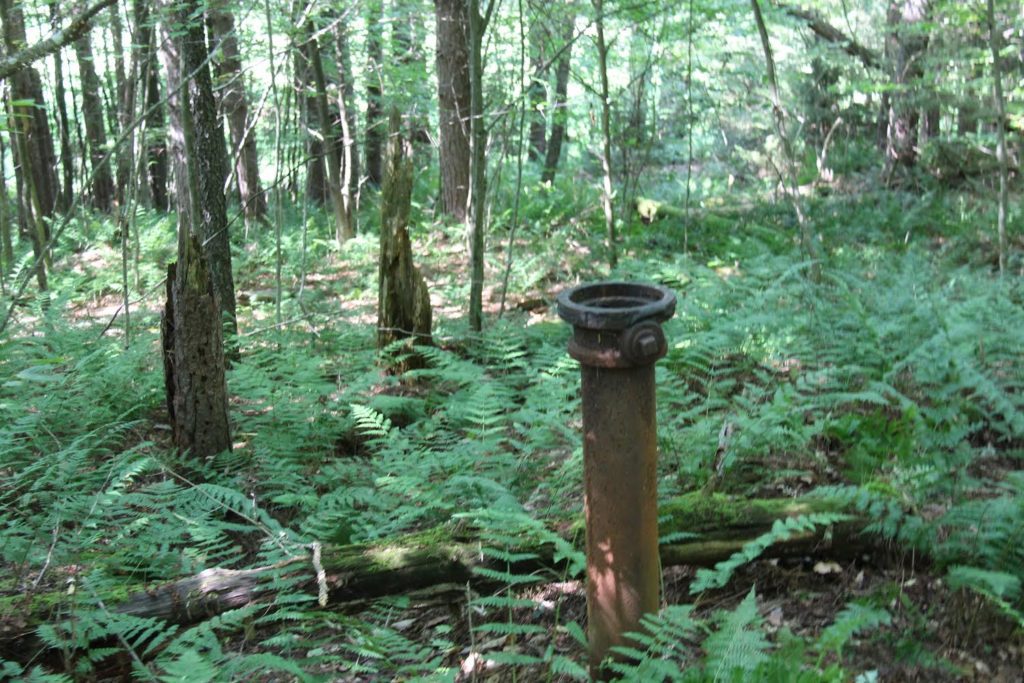
The number of these unplugged wells is only rising. The Department of Environmental Protection has found that well operators continue to routinely fail to plug wells as required by law before abandoning them: between 2017 and 2021, the DEP issued 2,246 notices of violations to “conventional” (that is, non-fracking) oil and gas operators for abandoning wells without plugging them. And the Environmental Defense Fund estimates that Pennsylvania currently has 55,000 oil and gas wells that are at immediate risk of being abandoned.
These unplugged abandoned wells are a climate disaster and pose grave risks to nearby communities. Unplugged wells leak tremendous amounts of methane—a potent greenhouse gas—into the atmosphere, accelerating climate change. In fact, the EPA estimates that methane emissions from unplugged wells in the U.S. are equivalent to the climate change impact of 2 – 5 million cars. Abandoned wells also pose a grave threat to nearby communities. Abandoned wells often leak dangerous gases into the air, including known carcinogens such as benzene. These wells can also contaminate drinking wells, groundwater, and surface water.
To reduce the number of abandoned wells, in 1985 the Commonwealth began to require drillers to post bonds for wells. Before drilling begins, a driller must set aside funds in the form of a bond. Once a well is abandoned, the operator must plug the well to retrieve the capital back from the bond. If—as often happens—the operator does not plug the well, the bond is deposited into the state’s Abandoned Well Plugging Fund and used by the state to plug wells.
However, the bonding system in Pennsylvania is currently broken. While effective in theory, these bonds only work if they are set high enough to cover the cost of plugging wells. In Pennsylvania, bonds for conventional wells are usually set at $2,500—far below the $33,000 – $800,000 per well the DEP has assessed actual plugging costs to be. As a result, it is estimated that it would cost the state $15 billion to plug all orphan and abandoned gas wells in Pennsylvania. Meanwhile, the state only has $47.2 million in bonding money available.
As a result, taxpayers are forced to bail out drillers by paying to plug wells—or continue to suffer the environmental and climate harms caused by unplugged wells.
Instead of addressing this common-sense issue, Pennsylvania has doubled down. In 2021, the Council and partners took action on this critical issue, filing petitions with state regulators to raise these bonds to the actual costs of plugging wells. However, the state legislature intervened and passed Act 96 to block state regulators from doing their job and raising bonds. This law goes against taxpayer interests by preventing state regulators from requiring bonds above $2,500—thereby allowing drillers to continue abandoning wells and leave the costs for the state.
The Council believes that this new law violates Pennsylvania’s Environmental Rights Amendment—a right to a clean environment enshrined in our Constitution. This August, the Council and partners sued the Commonwealth, seeking to restore state regulators’ authority to raise bonding amounts to levels that correspond with the actual cost to plug.
The Council will continue to fight to end this corporate welfare for the oil and gas industry to protect the health and economic wellbeing of Pennsylvania residents.
HARRISBURG, PA [August 23, 2023] — Today, PennFuture, the Sierra Club, Clean Air Council, Protect Penn-Trafford, and Earthworks filed a joint lawsuit against the Commonwealth of Pennsylvania, including Governor Josh Shapiro and the General Assembly, challenging the constitutionality of a law that prevents the Commonwealth from protecting communities from the harm caused by abandoned methane wells.
Thousands of abandoned, unplugged wells in Pennsylvania leak methane and other harmful chemicals into the air and water, harming public health and worsening the climate crisis. They mar communities, reduce property values, and depress the local tax base. They are also at risk of explosion.
The Commonwealth has the ability to require oil and gas companies to pay a bond to ensure that these wells don’t go abandoned and unplugged. But in 2022, the Pennsylvania legislature passed Act 96, which removed the Pennsylvania Environmental Quality Board (EQB)’s authority to adjust well bonding amounts and capped the amount for conventional wells at just $2,500 per well.
“When it passed Act 96, the Pennsylvania legislature tied the hands of regulators, blocking them from making common-sense changes to bonding requirements that would speed up plugging of these wells,” said Kelsey Krepps, Sierra Club’s Senior Field Organizer. “This lawsuit asks the court to rule Act 96 unconstitutional under the Environmental Rights Amendment, clearing the way for regulators to adopt policies that keep cleanup costs where they belong: with the operators who profit from these wells, not the communities who have to live with ongoing pollution from abandoned wells.”
Well bond amounts — the money drilling companies have to put aside for cleanup and plugging before being allowed to drill a new well — no longer cover the costs of closing a well, which means if an oil or gas company goes out of business and abandons their wells, the cost of plugging those wells falls to Pennsylvania taxpayers.
“We’d like to see the well bonding amounts reflect the actual cost of well plugging to ensure there is no financial incentive for drillers to abandon their wells and leave taxpayers on the hook,” said PennFuture Senior Attorney Jessica O’Neill. “Sufficient bonding amounts are necessary to protect community and environmental health, as well as local economies, from the pollution that stems from abandoned and uncapped non-producing conventional gas wells.”
The Sierra Club commissioned a report by Dr. Jeremy Weber of the University of Pittsburgh to investigate the bonding amounts for well plugging and the regulatory recommendations that would influence the requests in the two rulemaking petitions. The published 2021 report found that plugging conventional wells costs at least $38,000 per well, 900% more than the General Assembly’s cap.
“If you or I were to dirty someone else’s property, the law would hold us accountable,” said Joseph Minott, Clean Air Council Executive Director and Chief Counsel. “Yet Pennsylvania’s Legislature passed a law to give gas and oil drillers a pass for doing the same thing. That’s not just wrong; it’s unconstitutional.”
“Oil and gas companies will continue to abandon wells recklessly and pollute Pennsylvania communities until our state government requires them to set aside adequate funds to clean up their mess,” said Melissa Ostroff, Earthworks Pennsylvania Policy and Field Advocate. “Current bonding requirements do not protect Pennsylvanians. The rights protected by the Pennsylvania Constitution empower and obligate the Commonwealth to prevent bad operators from walking away from the harmful pollution they leave behind.”
“The Pennsylvania Constitution charges our government with protecting our clean air and water,” said Gillian Graber, Executive Director of Protect PT. “But since they are falling short, we must hold them accountable.”
Carbon Tracker’s Asset Retirement Obligations Portal estimates that it would cost $15 billion to plug all the orphan and abandoned gas wells in Pennsylvania. But the state currently has only
$47.2 million in bonding available to plug these wells.
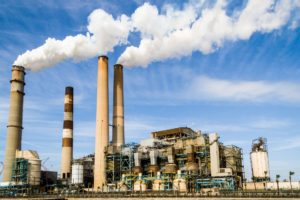
Pennsylvania has the fourth-highest energy related emissions in the country with coal and gas-fired power plants being the largest individual industrial climate polluters in the state. Producing electricity accounts for more than a fourth of Pennsylvania’s greenhouse gas emissions. For many years, Clean Air Council has been a major player in forcing power plants to reduce their emissions and suing to prevent the building of new fossil fuel plants. Not an easy thing to do in a state like Pennsylvania which has strong political support for coal and fracked gas.
The U.S. Environmental Protection Agency (EPA) recently proposed new national carbon emission standards for coal and gas-fired power plants. This new proposed rule would eliminate 617 million metric tons of total carbon dioxide (CO2) through 2042, equivalent to reducing the annual emissions of nearly half of all passenger vehicles in the United States. It is estimated it would prevent about 1,300 premature deaths, prevent more than 300,000 cases of asthma attacks, and prevent more than 800 hospital and emergency room visits each year.
The proposed new rule is a historic step in limiting the carbon emissions that fuel climate change as well as reducing other harmful chemicals emitted along with carbon dioxide. However, in order to achieve the greenhouse gas reductions needed to meet our climate goals and avoid the most catastrophic effects of the climate crisis, EPA must strengthen the proposed rule.
The rule’s suggested limits for gas-fired plants is based on the low emissions produced by using hydrogen or carbon capture and sequestration. There are many ways to produce hydrogen, including using natural gas which is very energy intensive. EPA needs to specify that only hydrogen produced with 100% renewable energy, known as green hydrogen, should be used. Hydrogen produced using natural gas will create more greenhouse gas pollution when we need to be reducing it.
EPA also needs to create strict rules around the transport and storage of captured CO2 to ensure these emissions do not leak into the atmosphere. Safe, secure, and permanent underground carbon storage has yet to be proven at commercial scale, so EPA must require that companies that generate carbon share the responsibility for ensuring these sequestered emissions don’t end up leaking into the atmosphere, and the long-term liability for any harms from future leakage.
While the rule rightly requires strong pollution standards at power plants that operate at a high amount of their full capacity, it should also include power plants that operate at less than full capacity, commonly referred to as “peaker plants.” These plants only operate during periods of high electricity demand, use highly polluting fuels like oil, and many are sited in Environmental Justice (EJ) areas that already struggle with air quality and environmental injustice.
The proposed rule has huge implications for Pennsylvania’s energy emissions. Comments are open until August 8th. The Council sent an action alert to encourage members to comment on the rule that provides talking points and we encourage you to use our digital platform to submit your comments and share the link with your friends. As part of the comment period, the Council also testified at an EPA public hearing about the rules.This is why we need you to submit a comment to the EPA about the proposed rule.
To learn more about EPA’s proposed rule, contact Advocacy Coordinator Susan Volz at svolz@cleanair.org
Harrisburg, PA (November 3, 2022) This afternoon, Governor Wolf signed 66 bills into law, including House Bill 1059, a roughly $2 billion tax credit package, over 90% of which goes toward supporting additional fracked gas (aka methane) extraction and combustion. A gut-and-replace amendment to HB1059 – a previously unrelated tax code bill – was introduced in the Senate Appropriations Committee on October 26th. The completely revamped legislation passed the PA Senate that afternoon and the PA House that evening. The bill provides up to $50 million annually in tax credits for manufacturing facilities located within a future Regional Hydrogen Hub that purchase and burn either methane or hydrogen (2024-2044). The bill also provides an additional $30 million annually in tax credits for petrochemical or fertilizer facilities that purchase and burn Pennsylvania methane as a feedstock (2024-2050).
Joseph Otis Minott, Esq., Executive Director and Chief Counsel of Clean Air Council, issued the following statement:
“We knew HB1059 would become law once it was presented to Governor Wolf. His administration directly negotiated this package and aggressively pushed for it to be rushed through during the last week of legislative session in Harrisburg. Even so, Clean Air Council remains deeply disappointed and alarmed. The text of this bill was publicly available for less than 12 hours before passing through both chambers in the General Assembly. There’s a reason this was negotiated in the dark.”
“Investing an additional $30 million on methane subsidies every single year through 2050 to support a petrochemical refinery boondoggle in Luzerne County is awful policy for state taxpayers and our climate. And the $1 billion investment in manufacturing facilities that burn methane inside a potential Hydrogen Hub has the potential to drive more methane and carbon pollution. The bill doesn’t even define “clean hydrogen” in a manner consistent with the U.S. Department of Energy’s proposed Clean Hydrogen Production Standard, but rather as any hydrogen that “demonstrably aids achievement” of that standard, a massive loophole. Pennsylvania must join the rest of the country in an all-out mobilization to confront the climate crisis, and billions in additional fossil fuel subsidies are simply unacceptable. The next administration needs to internalize this message and embrace a different path.”
