Trailing Thoughts on a Summer at Cobbs Creek
By Teresa Hong and Alexander Chong – Clean Air Council Bridging the Gap Drexel University Interns
As we wrapped up our assessment of Cobbs Creek Trail this summer, one thing became clear: this trail is more than a pathway through green space—it’s a lifeline that has long connected communities, memories, and meaning. In conversations with residents, we unearthed stories that revealed just how deeply rooted Cobbs Creek is in the neighborhood’s history.
The Cobbs Creek Trail bridge wasn’t just a way to cross the creek; it was a meeting point, a playground, a boundary-breaker. Learning about the racial covenants that once segregated Philadelphia neighborhoods was both eye-opening and sobering. Yet hearing how kids from different backgrounds used to gather, play, and build friendships along the trail painted a more hopeful picture. The open space by the creek served as a backdrop for celebrations, community events, and everyday joy. The smiles on residents’ faces as they recounted those memories spoke volumes. Those stories reminded us that trail maintenance isn’t just about physical upkeep—it’s about preserving legacy.
Throughout this summer, we documented many of the issues affecting Cobbs Creek Trail, but it’s clear that our work is only the beginning. Our data reflects what residents already know: the current state of maintenance falls far short of what this community deserves. While the trail offers natural beauty and expansive greenery, its deteriorating infrastructure and lack of safety features deter the very people it’s meant to serve.
Safety and accessibility, in line with Clean Air Council’s mission, are the most urgent needs. Trails, no matter how scenic, are underutilized when they feel unsafe. Damaged and unrepaired guardrails—likely from past car crashes—send a silent but powerful message: that community safety is not a priority. Residents echoed this concern, noting how such neglect discourages trail use and adds to a sense of abandonment.
Beyond safety, we observed serious wear and tear on user-facing infrastructure like benches, picnic tables, and playground equipment. Many of these were overgrown, rusted, or broken—no longer inviting or even functional. In some spots, erosion, and water damage affected roads, sidewalks, and curbs, creating significant accessibility barriers, particularly for individuals with disabilities. A truly inclusive trail must be navigable and welcoming to all.
Being part of the Trail Maintenance Team taught us that trail care isn’t just about fixing what’s broken—it’s about preventing things from breaking in the first place. Deferred maintenance doesn’t just delay enjoyment; it increases future costs and compounds community frustration. One lesson that stuck with us came from a mother who pointed out a broken swing seat that had remained unusable for months. “A new park is nice,” she said, “but it means nothing if it’s not usable.” We agreed—and made it a priority to document and report the issue through 311, fulfilling a promise we made to her and ourselves.
Of all the work we did this summer, our conversations with residents were the most impactful. They helped us understand the deeper significance of our task. For many, seeing Cobbs Creek in its current condition is heartbreaking—not just because of what’s broken, but because their children no longer experience the same joy and freedom they once did. Trail maintenance, we realized, is not just a technical issue. It’s a community issue. It’s about restoring trust, honoring history, and fostering a healthier future.
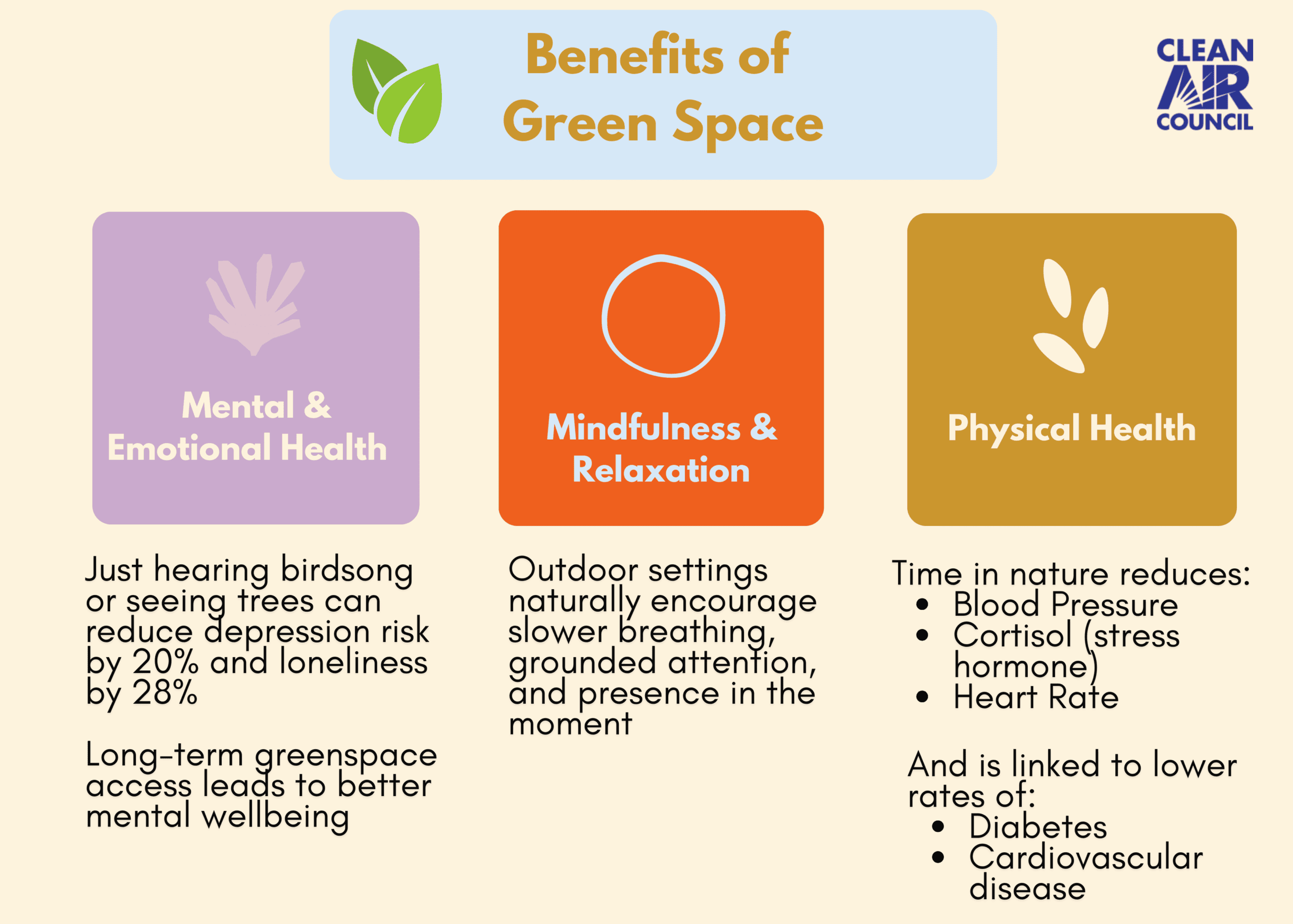
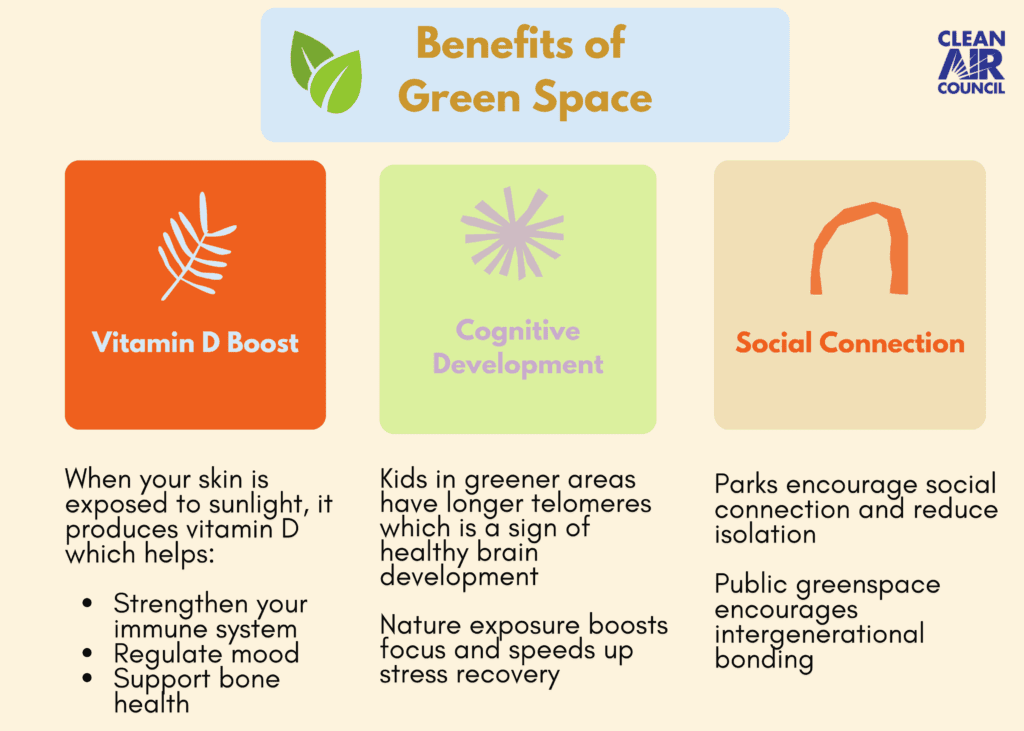
Ultimately, a well-maintained trail is a public health investment. It invites families out of their homes, promotes physical activity, and creates shared space for joy, rest, and connection. We hope our efforts help bring renewed attention to Cobbs Creek Trail and serve as a spark for long-overdue investment in this vital space. The trail has carried stories for generations—now, it’s time to care for it in return.
