Climate Resilient Communities Report Explores Three Years of Research & Engagement
Philadelphia and Delaware County are uniquely vulnerable to impacts of climate change, even compared to the rest of Pennsylvania. Residents in communities along the Schuylkill and Delaware Rivers face extreme heat and flooding risks compounded by the large amounts of polluting industrial facilities in densely populated riverfront areas.
Clean Air Council’s three-year Climate Resilient Communities project brought together residents in South and Southwest Philadelphia as well as Chester, Trainer, and Marcus Hook in Delaware County to address the combined risk of climate change and pollution. The Council’s forthcoming Climate Resilient Communities report, developed by landscape architects at Olin Design Studio, provides key findings and recommendations to address the risks and build climate resiliency.
One of the key findings of the study is that riverfront industrial infrastructure can cause dangerous public health conditions, like increased air and water pollution, during extreme heat and precipitation events. Recommended resiliency strategies include strengthening connections between local leaders, neighbors, and community groups and the expansion of storm shelters, cooling centers and air conditioned recreational space.
Over the course of three years, Clean Air Council and community partners surveyed residents and hosted regular meetings in each focus neighborhood. Residents reviewed local climate models, identified locations most impacted by heat and flooding, and provided extensive feedback on resilience strategies that would have the greatest impact in their communities.
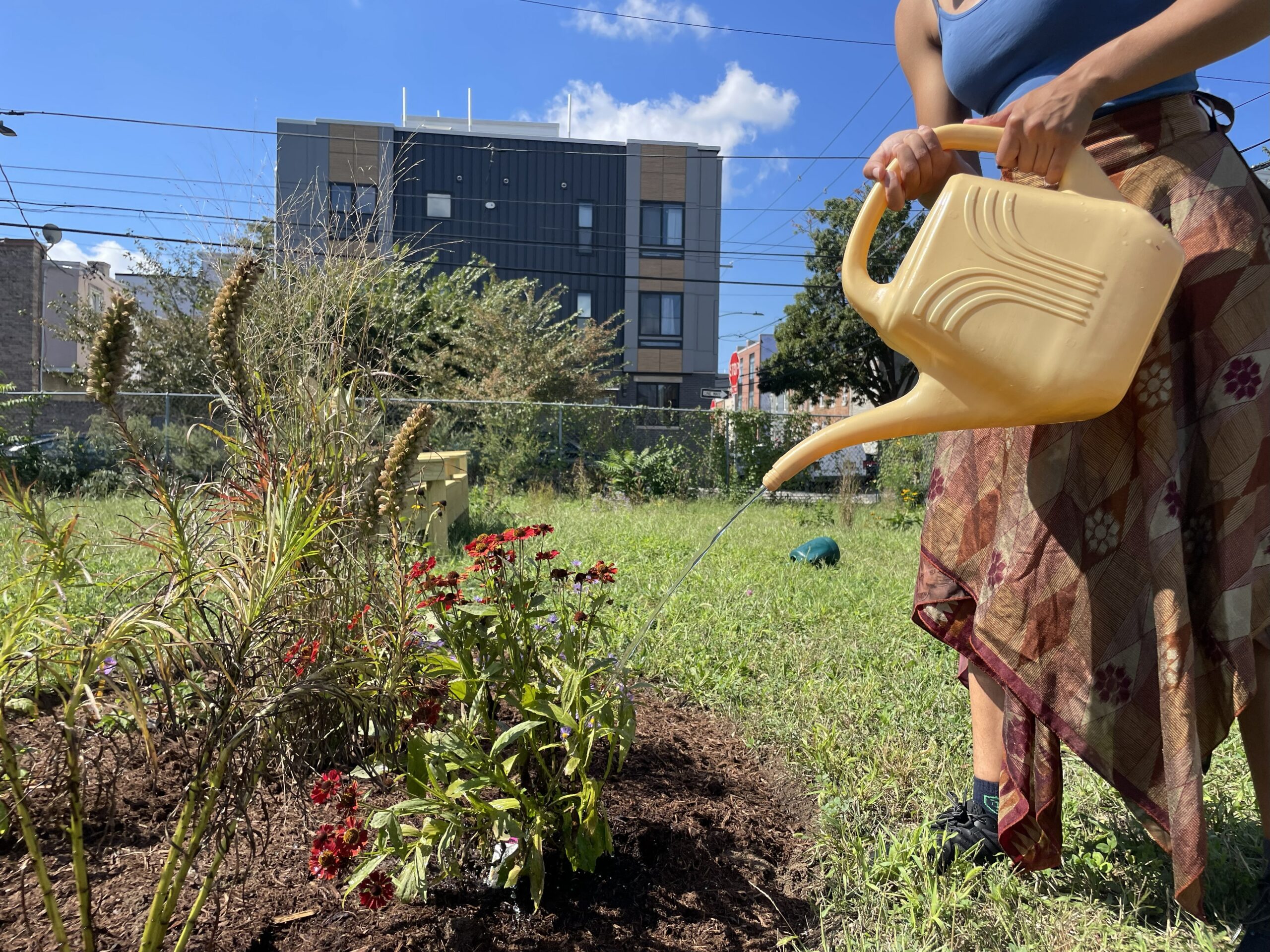
Council staff then worked with residents and partners in each neighborhood to develop green infrastructure projects to mitigate heat and flooding impacts and support climate resiliency. Ideas for projects included transforming vacant lots into community gardens, adding native trees and pollinator plants to local parks, and transforming existing parks into naturescapes for families and children to enjoy. Based on residents’ feedback, four climate resilient communities projects were implemented.
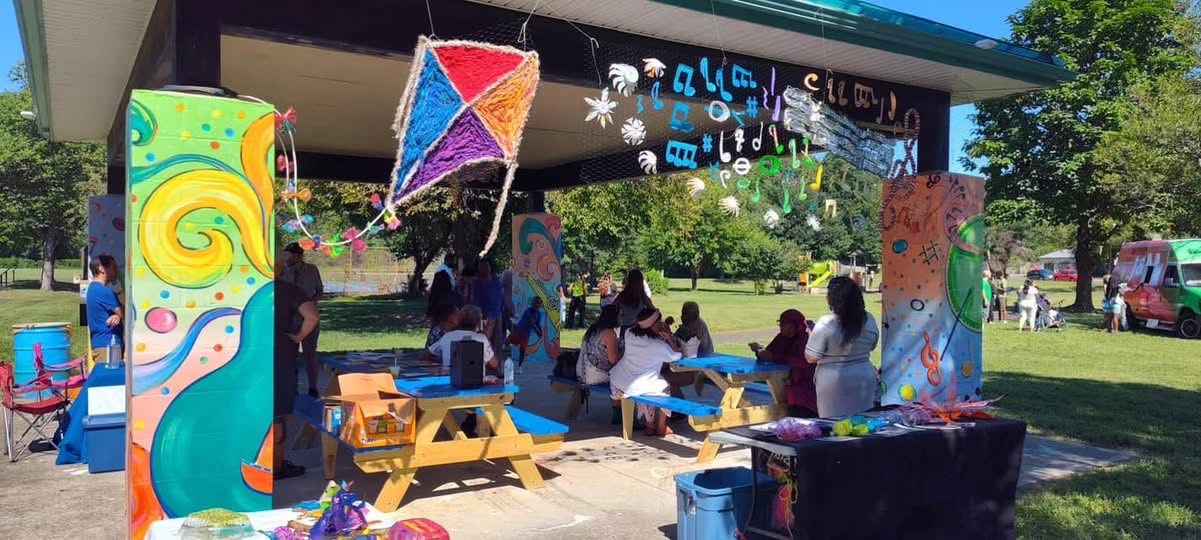
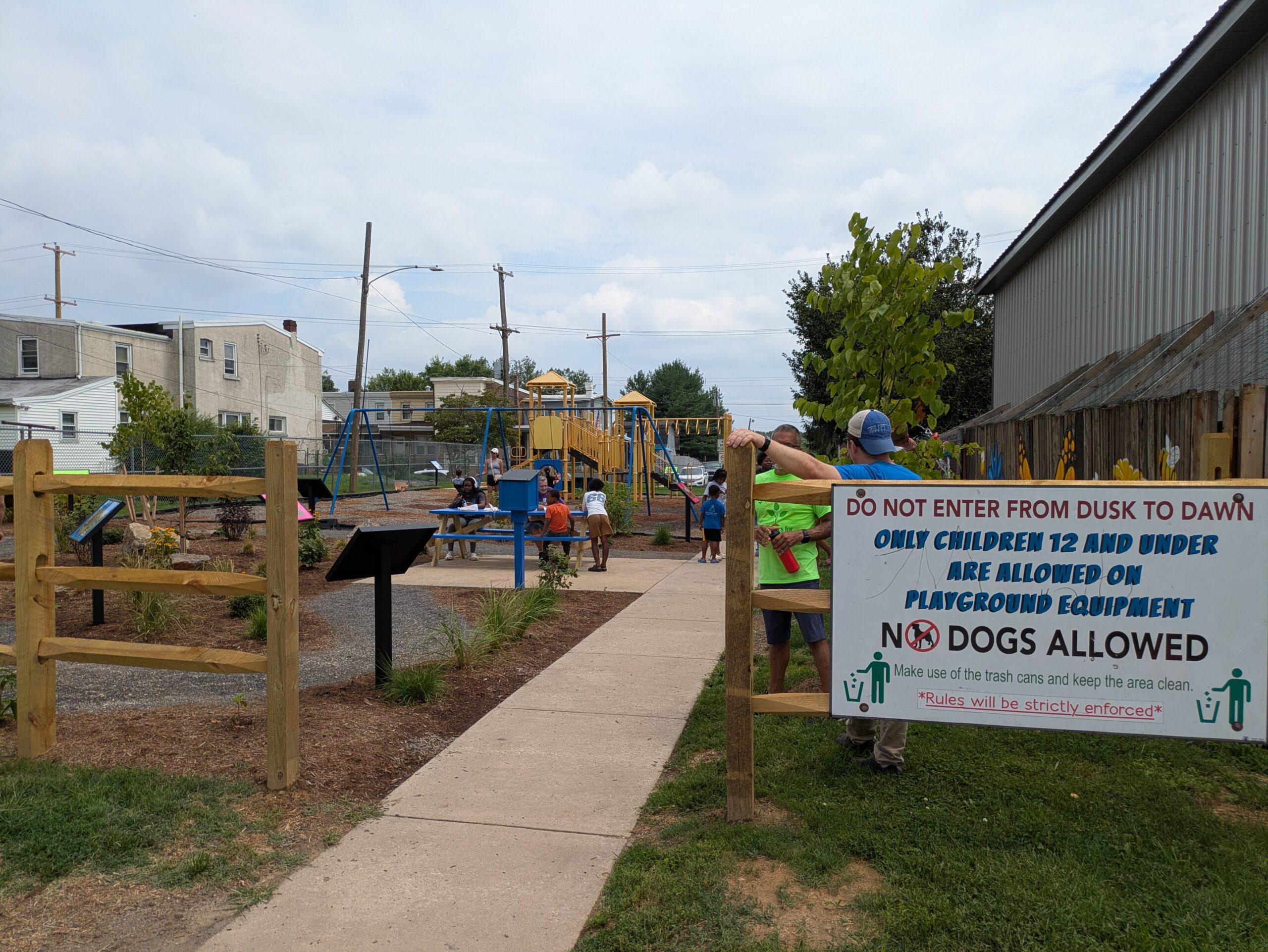
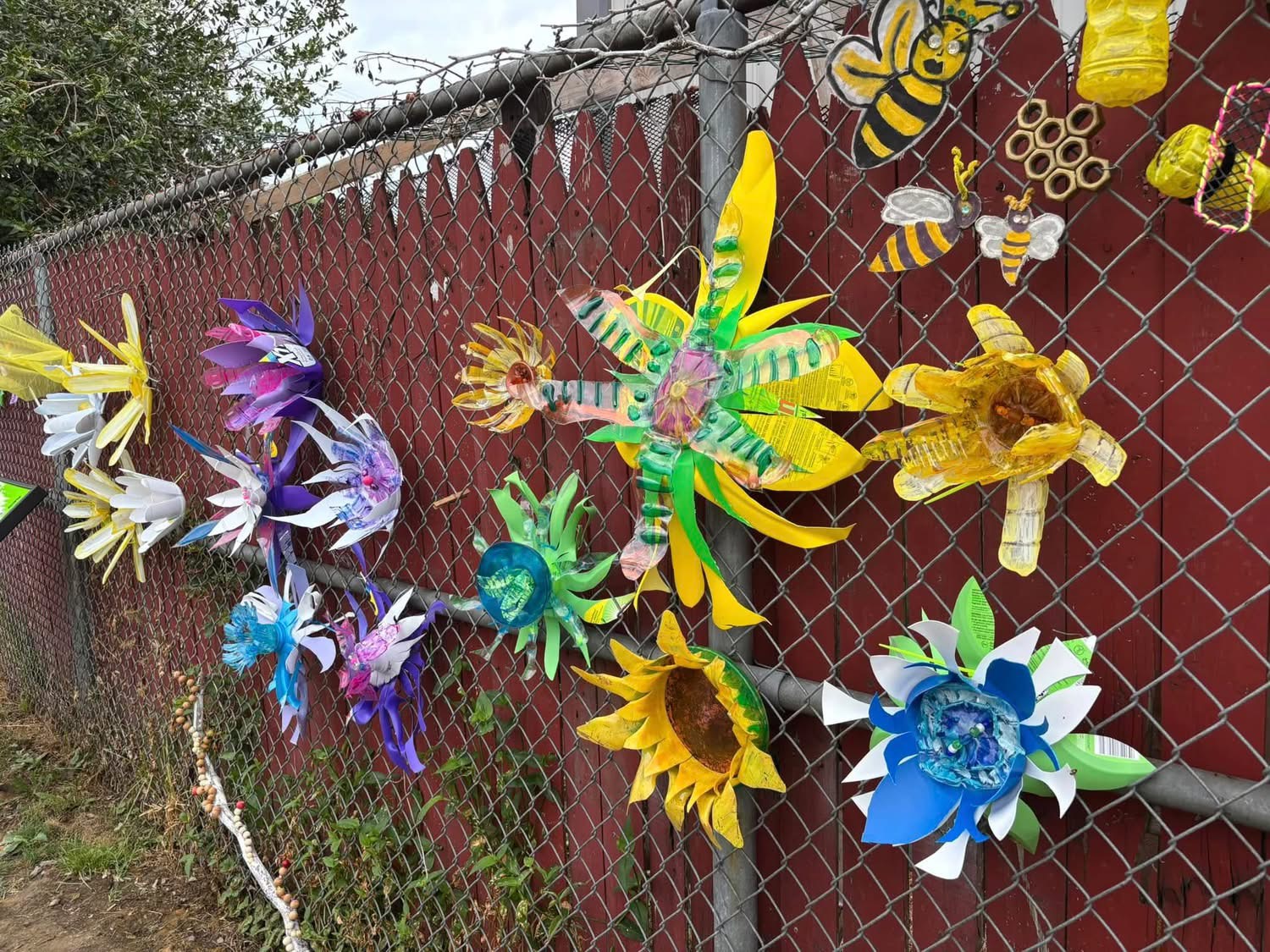
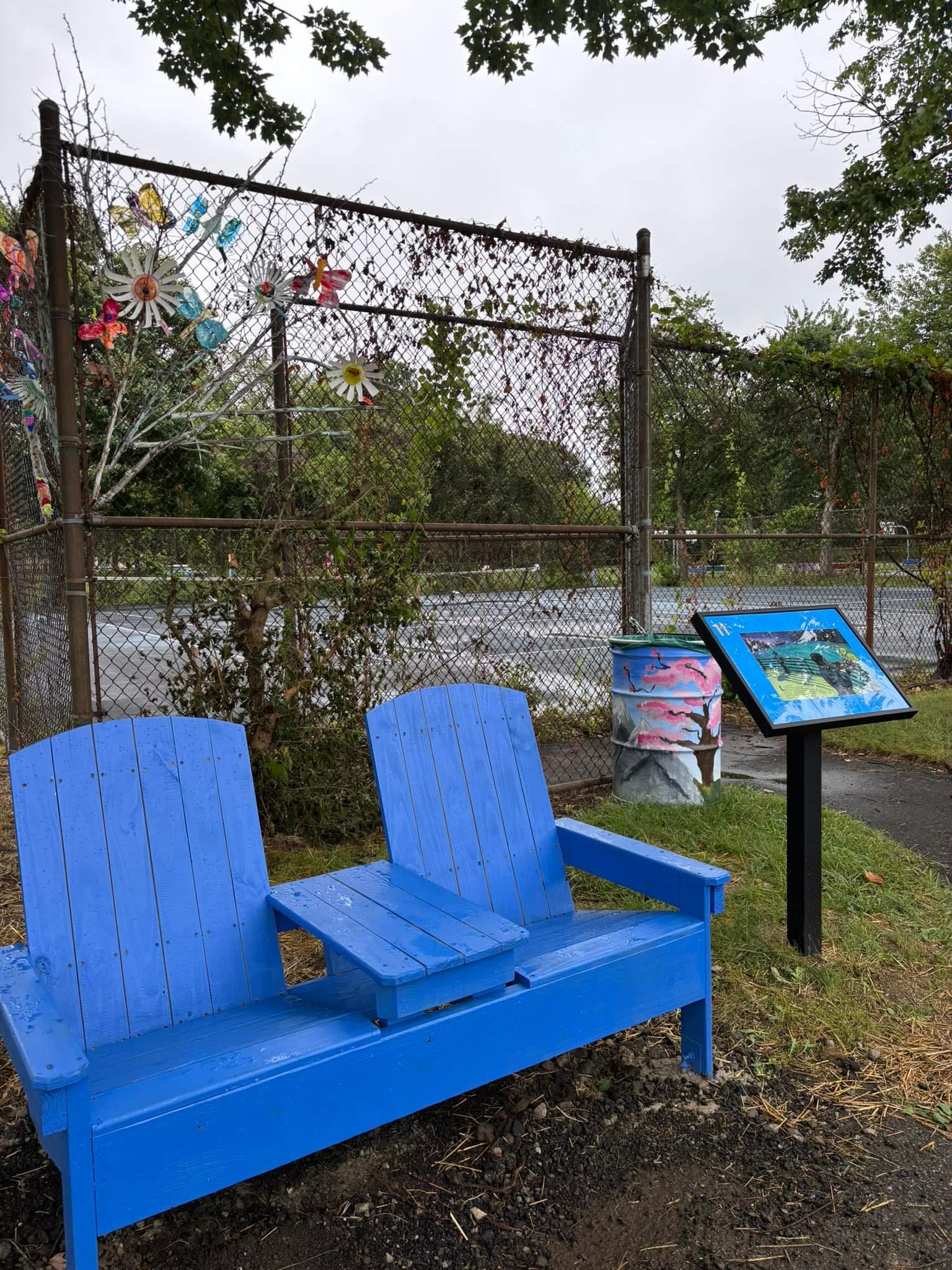
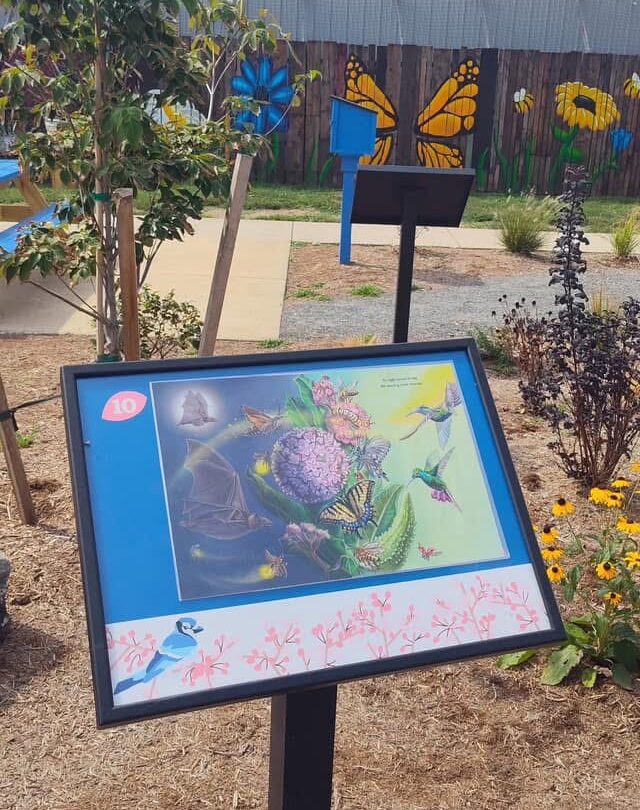
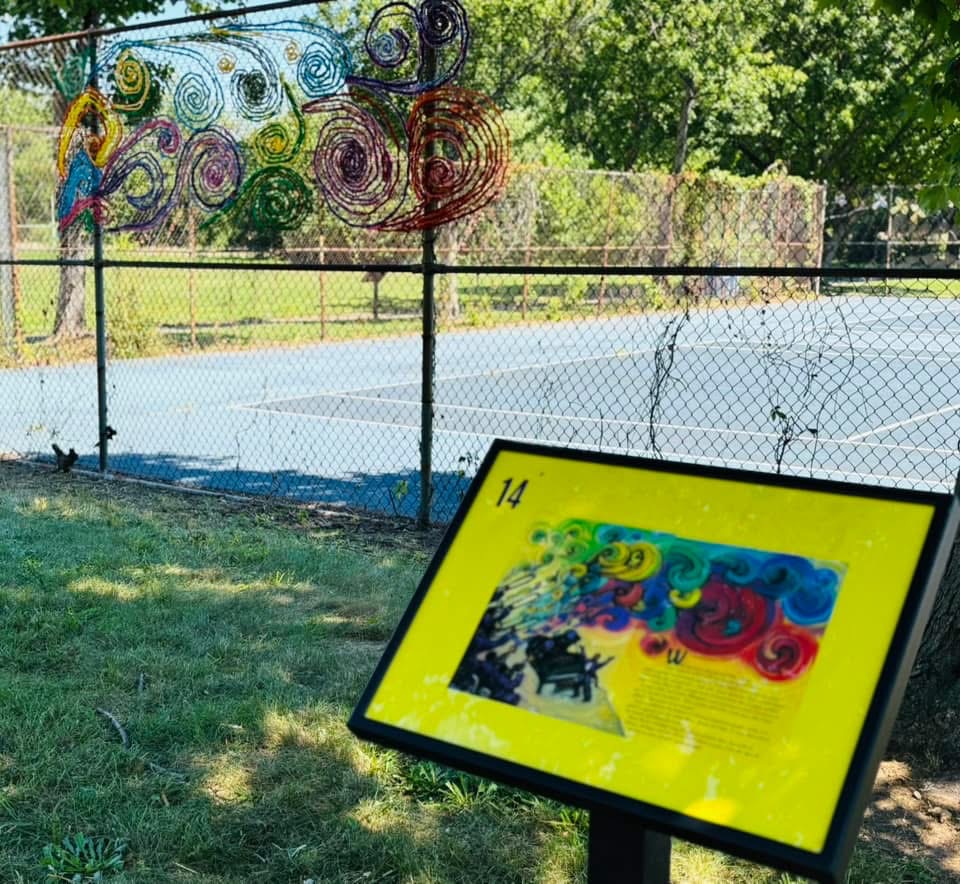
In Delaware County, the Council worked with the City of Chester, Legacy Arts Chester and Bonnie’s Community & Development Corp to make significant improvements to Sun Village Park, including a storybook walk and native pollinator garden, new picnic tables and benches, and vibrant mural and art installations around the park’s pavilion and tennis courts. The Council also worked with Trainer Borough, Marcus Hook Area Neighbors for Public Health, and the NMS Watersheds Alliance to install a storybook walk, native pollinator garden, native flowering trees, mural arts, and a free little library at Wilcox Park next to Monroe Refinery in Trainer. These revitalized park spaces in Delaware County provide residents with shaded spaces to connect with nature, art, literacy, and other neighbors. Respite and community gathering spaces help to build social connection and cohesion, which are vital to a community’s climate resiliency plan.
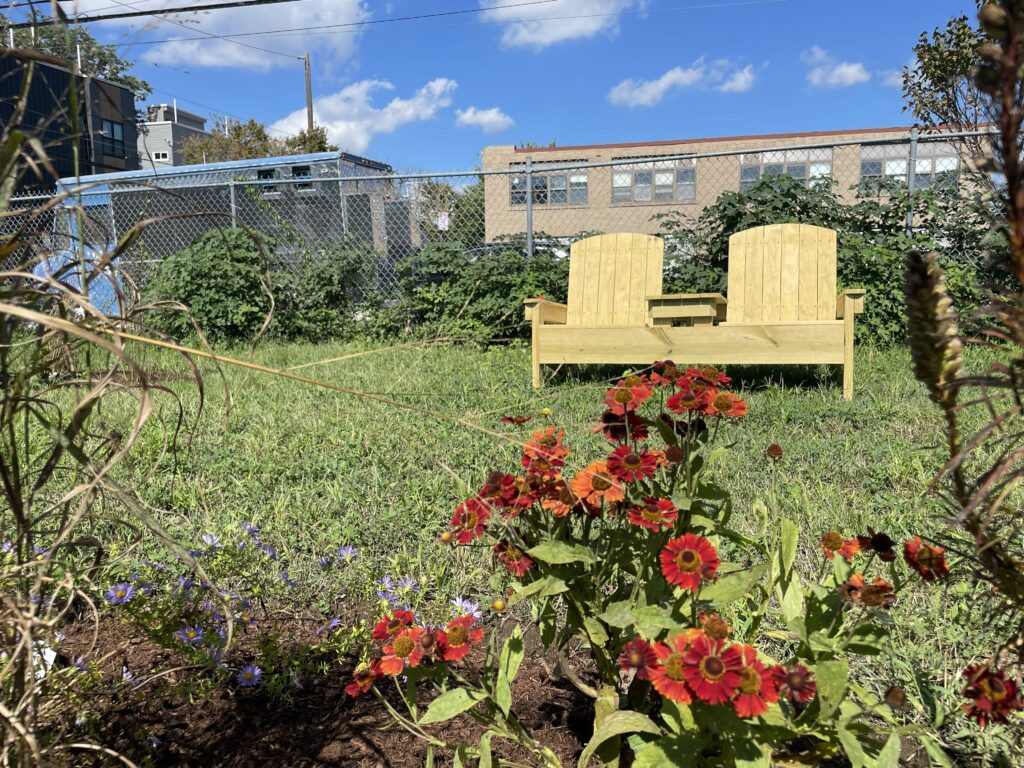
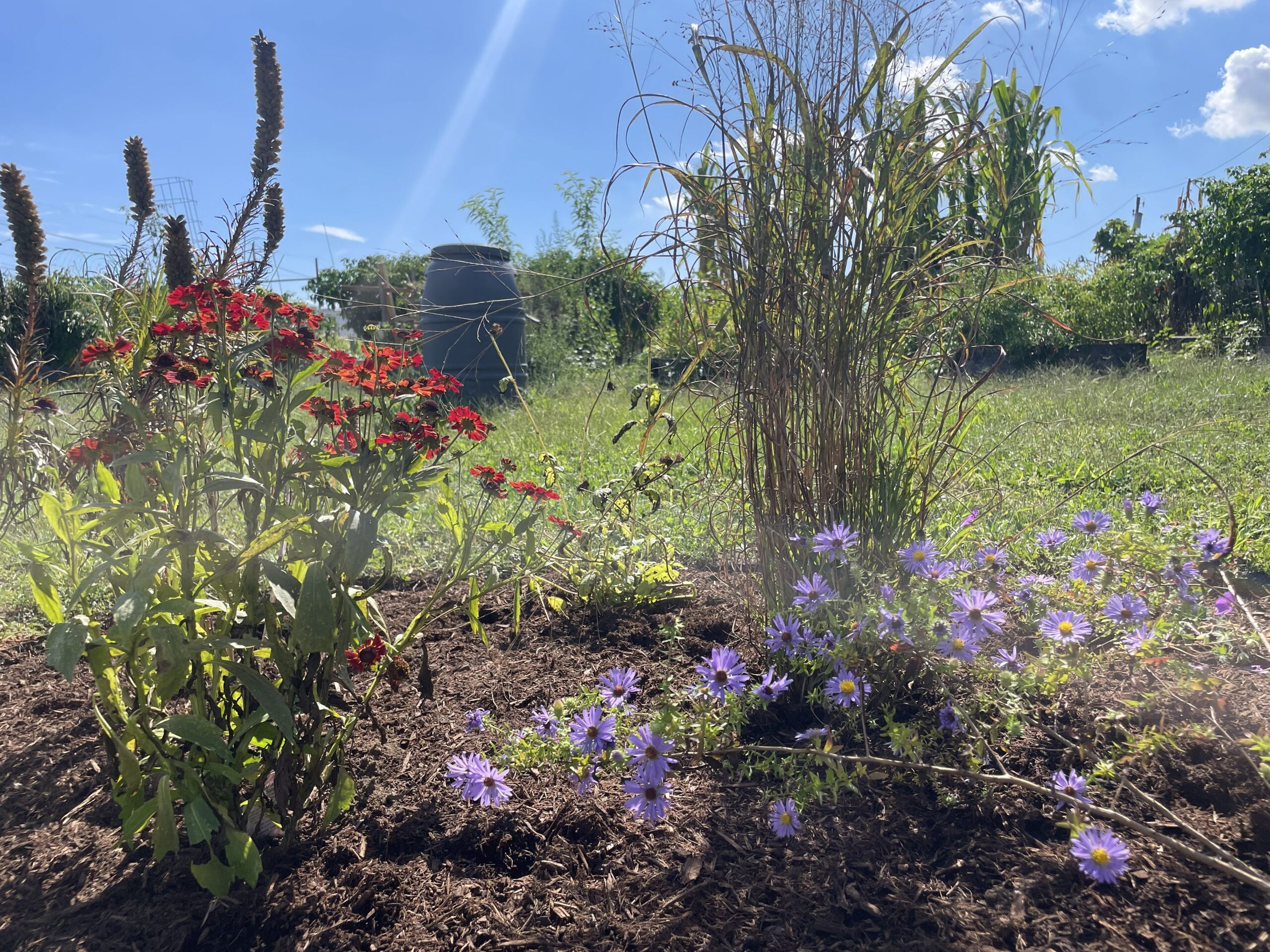
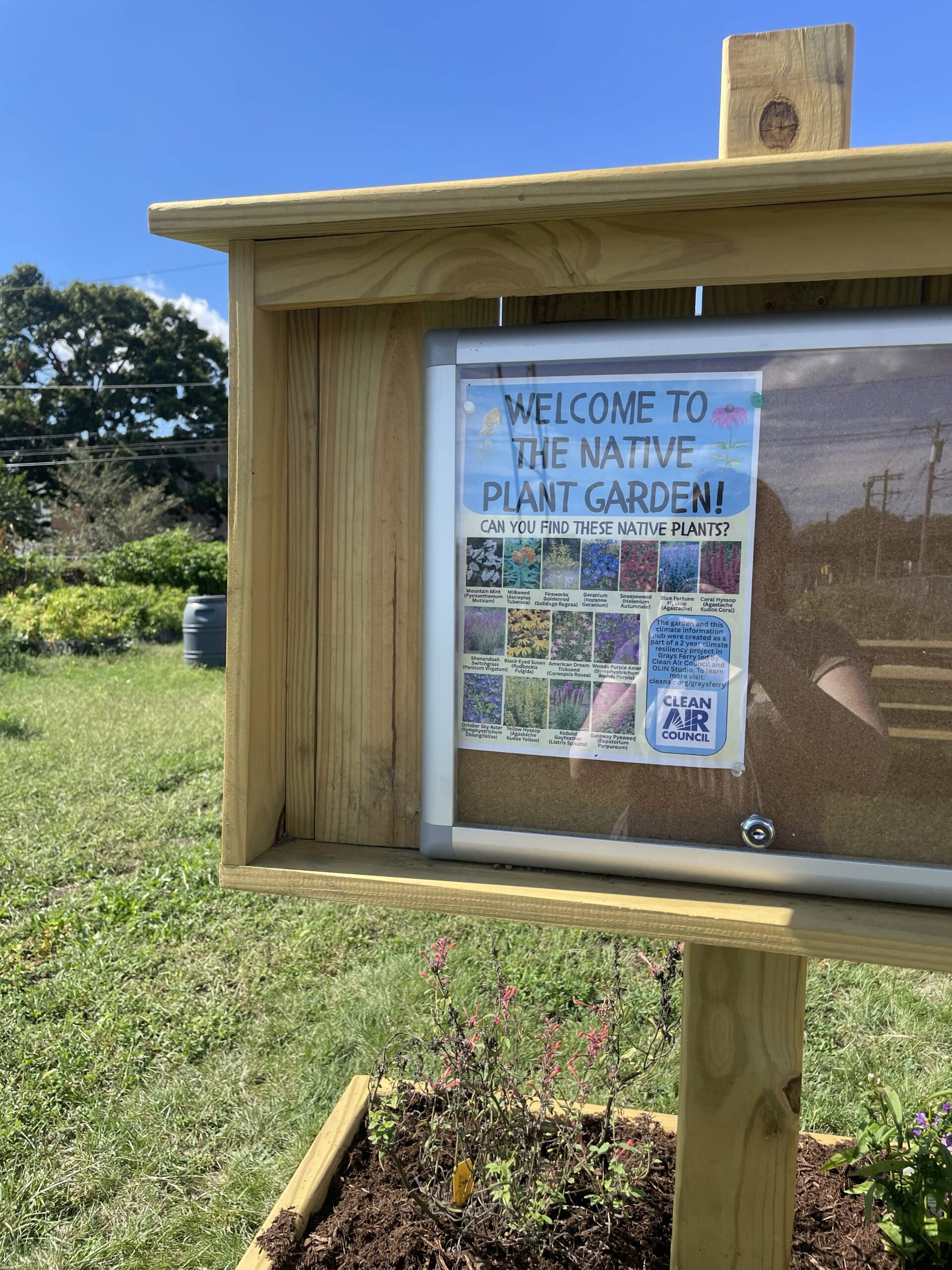
In South Philadelphia, the Council worked with the Church of the Redeemer Baptist’s Growing Together Community Garden to expand the existing native pollinator garden and create a gathering space for gardeners of the site’s over 200 plots. This included the installation of new picnic tables with shade umbrellas as well as several park benches. The creation of a community gathering space in the garden will support residents to further develop this local greenspace, which helps to cool the neighborhood and build community cohesion.
In addition to the pollinator garden and seating areas, Council staff worked with Philly Thrive’s Mutual Aid circle and the Tasker-Morris Neighborhood Association to create a climate guide of the Grays Ferry neighborhood that shows pollution sources as well neighborhood resources. The guide is featured in a custom made climate information station in the garden, which features a planter box as well as a space to distribute community flyers and pamphlets.
In Southwest Philadelphia’s Eastwick neighborhood, Council staff worked with Eastwick United, Eastwick Friends and Neighbors, and the Eastwick Recreation Center to place three additional climate information stations around Eastwick. These climate hubs (which are also public planters) inform residents about neighborhood meetings on local flood risks, illegal dumping, and other environmental health and climate issues. Council staff also worked with these organizations on a detailed climate guide of Eastwick that includes nearby environmental hazards as well as many local assets.
Clean Air Council will continue sharing the key findings and recommendations of the Climate Resilient Communities report with local decision makers, and will continue to work with local leaders to expand access to safe public amenities like parks and greenspaces while encouraging responsible development along local riverfronts. For more information please contact Advocate Russell Zerbo at rzerbo@cleanair.org, Philadelphia Organizer Jendaiya Hill at jhill@cleanair.org, or Delco Outreach Coordinator Alyssa Felix-Arreola at afa@cleanair.org
This Climate Resilient Communities project was made possible through a grant from the William Penn Foundation.
