“The Hub” is a weekly round-up of transportation related news in the Philadelphia area and beyond. Check back weekly to keep up-to-date on the issues Clean Air Council’s transportation staff finds important.
Are you in the Lehigh Valley area or the Lancaster area? Please take a transit survey from Transit For All PA, to help us better understand transit needs for users in the area. Lehigh Valley survey link and Lancaster area survey link.
Keep Paratransit and Shared-Ride moving by signing onto this organizational letter!
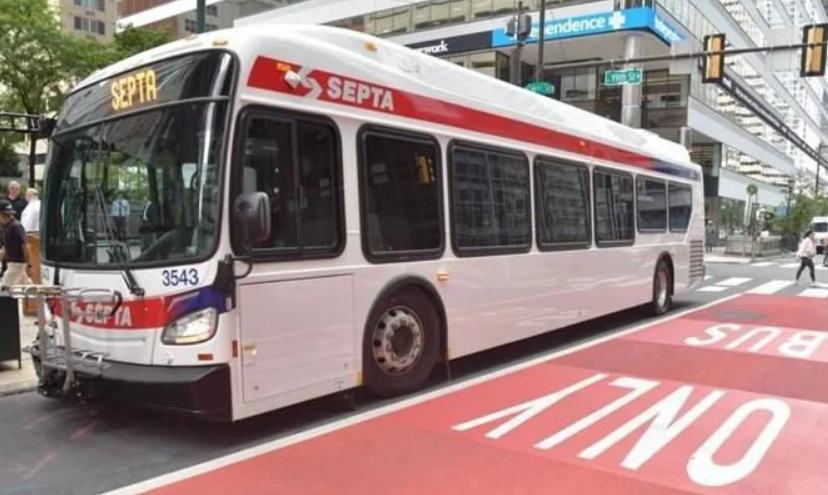
Philadelphia Tribune: Opposition builds against school district’s fare evasion program – The proposed fare evasion enforcement program tied to the School District of Philadelphia is being flagged as a system that unfairly punishes students, and could push them into the criminal justice system for just trying to get to school. Transit advocates warn that despite the intention to curb SEPTA revenue losses, this plan is not the best path forward. SEPTA student fare cards are extremely limited in their use, with restrictions based on geography, times of day, and not allowed at all on weekends or summer breaks. Advocates warn that the program will disproportionately target students of color and low-income families, and the solution is to expand transit access and education, rather than punishment.
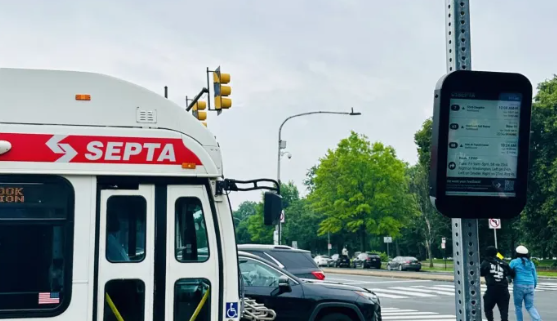
NBC Philadelphia: SEPTA installs first real-time arrival display at South Philadelphia bus stop – Riders that take the bus at Broad and Oregon are the first to receive a real-time information display, as part of a pilot program by SEPTA. SEPTA said that 9 more devices are to be installed at bus stops and to T, G, D, and M Metro stations. The screens use solar power and e-paper technology, making them visible even in bright sun. They are small enough to be mounted on stop sign poles, and have a text-to-speech bubble, to help low-vision riders. SEPTA is asking for feedback from riders through https://wwww.septa.org/initiatives/better-bus/epaper/.
NBC Philadelphia: Philly’s annual Ride of Silence honors cyclists, calls for safer streets – On Wednesday night, cyclists met at City Hall for the 22nd annual Philly Ride of Silence to honor cyclists killed or injured. 15 cyclists have been killed by motorists in the Delaware Valley region this year alone. Cyclist advocate group Bicycle Coalition of Greater Philadelphia has worked with lawmakers and the PPA to expand protected bike lanes, and ticket vehicles that idle in them. The PPA has issued close to 30,000 violations since the enforcement unit was created in 2023. Advocates hope to see further protections for cyclists and pedestrians throughout the city in the near future.
Other Stories
PhillyVoice: Uber escalates ad campaign against Mayor Parker’s $1-per-ride tax as vote looms
BillyPenn: Philly’s 100 Steps restored after a hasty gray paint job sparked outrage
Pennsylvania Capital-Star: Those potholes in your street reveal a money problem for cities and states
PhillyVoice: New Hope Railroad now has scenic pedal-bike tours that wind along heritage tracks in Bucks County
The Inquirer: Philly’s airport just lost Spirit Airlines. Another low-cost airline is moving in.
Centre Daily Times: PennDOT highlights $212M in central PA projects. What’s happening in Centre County?
The Inquirer: All-electric Volvos now pull some of the famed tram cars on the Wildwoods boardwalk
Streetsblog USA: America Keeps Building Stadiums Like Transit Doesn’t Matter
“The Hub” is a weekly round-up of transportation related news in the Philadelphia area and beyond. Check back weekly to keep up-to-date on the issues Clean Air Council’s transportation staff finds important.
BE SURE TO VOTE IN THE GENERAL PRIMARY ON MAY 19TH. Register to vote, request a mail-in ballot, and find your polling location here.
Are you in the Lehigh Valley area or the Lancaster area? Please take a transit survey from Transit For All PA!, to help us better understand transit needs for users in the area. Lehigh Valley survey link and Lancaster area survey link.
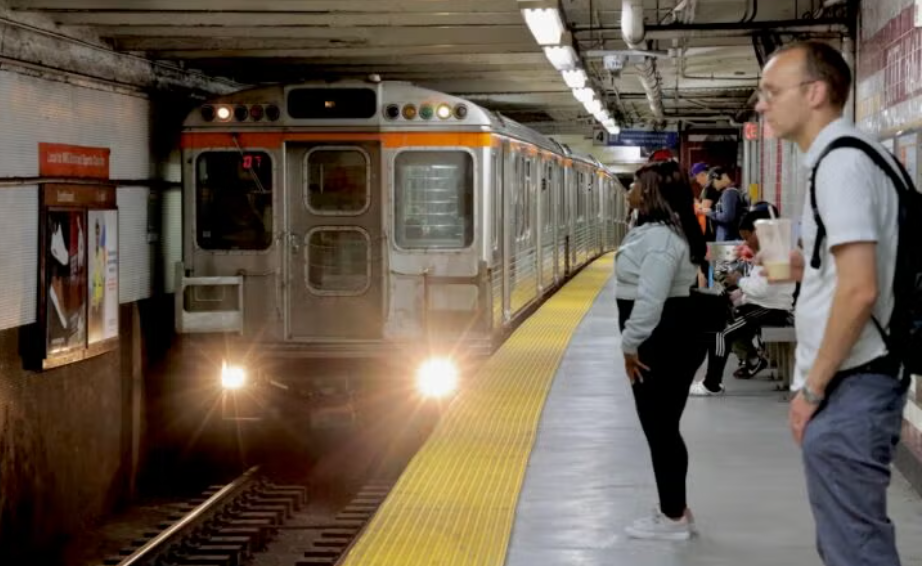
WHYY: SEPTA gives families and groups easier fare payment options by expanding multitap – The multitap feature on SEPTA is getting expanded on regional mass transit this season. Key card holders can opt-in to this feature, and users will be able to tap in up to five times. Now contactless payments will also work in a similar way, making it easier for one person to pay for up to 5 SEPTA tickets at once. This should streamline payment processes for tourists, during high-traffic days coming this summer. SEPTA also expects it to help with fare-evasion measures as well. These changes will be implemented and tested before the FIFA World Cup and America’s semiquincentennial this summer.

Philly Voice: Starting in June, Pa. drivers caught using cellphones will be fined $50 – The warning period of this law has been in effect since last year, and now fines of $50 will begin, but with typical court fees, the total could be closer to $200. State police issued over 1,200 warnings from June 2025 through March 2026. Distracted driving was a contributing factor to nearly 10,000 crashes in Pennsylvania, just in 2024. These crashes resulted in 49 deaths and over 6,000 injuries. This law coming into effect makes Pennsylvania one of 30 states that has banned drivers from using handheld electronic devices.
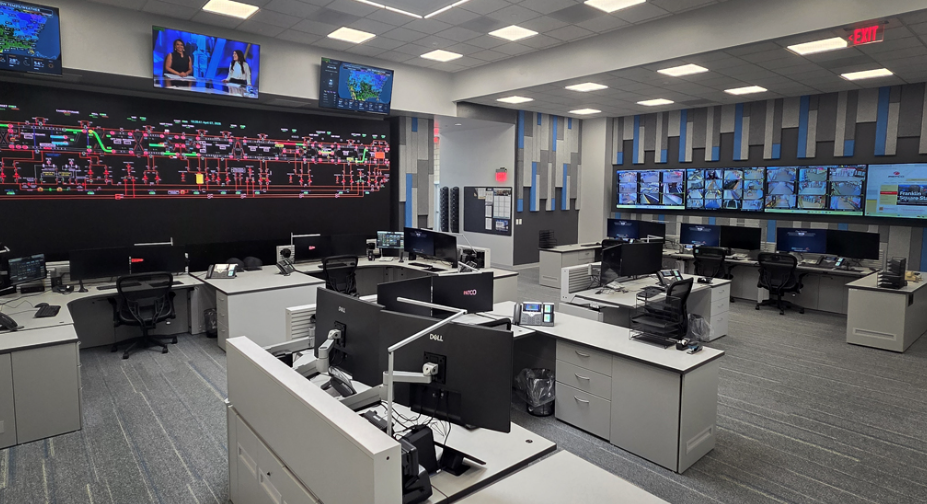
NBC Philadelphia: Inside PATCO’s new $19.4M control center in Lindenwold – Camden County is now home to the newly opened operations control center for PATCO. The new facility replaced the original control tower, which had been in service for more than 50 years. The control center is not seen by most commuters, but according to PATCO officials, the new facility will increase efficiency, safety, and problem solving response time. Dispatchers are able to track trains and respond to issues as they arrive, and oversee operations across the service area.
Other Stories
NBC Philadelphia: PATCO tests new tap-to-pay technology by installing 1 new fare gate per station
PhillyVoice: Cyclists may be banned from Route 55 in South Jersey under proposed regulation
SEPTA: SEPTA Launches Multi-Rider Feature for Contactless Payments
PhillyVoice: PPA to ban non-residents from parking near Lemon Hill to go to FIFA Fan Festival during World Cup
The Philadelphia Tribune: Asthma health disparities, pollution impact Black Philadelphians, leaders warn
Pittsburgh City Paper: Could private partnerships save Pennsylvania transit? Some state lawmakers think so
Fox 29: SEPTA adds extra Regional Rail trains for 2026 PGA Championship at Aronimink
Franklin County Free Press: PennDOT Offers Free Motorcycle Safety Training for Pennsylvania Riders
“The Hub” is a weekly round-up of transportation related news in the Philadelphia area and beyond. Check back weekly to keep up-to-date on the issues Clean Air Council’s transportation staff finds important.
BE SURE TO VOTE IN THE GENERAL PRIMARY ON MAY 19TH. Register to vote, request a mail-in ballot, and find your polling location here.
Are you in the Lehigh Valley area or the Lancaster area? Please take a transit survey from Transit For All PA, to help us better understand transit needs for users in the area. Lehigh Valley survey link and Lancaster area survey link.
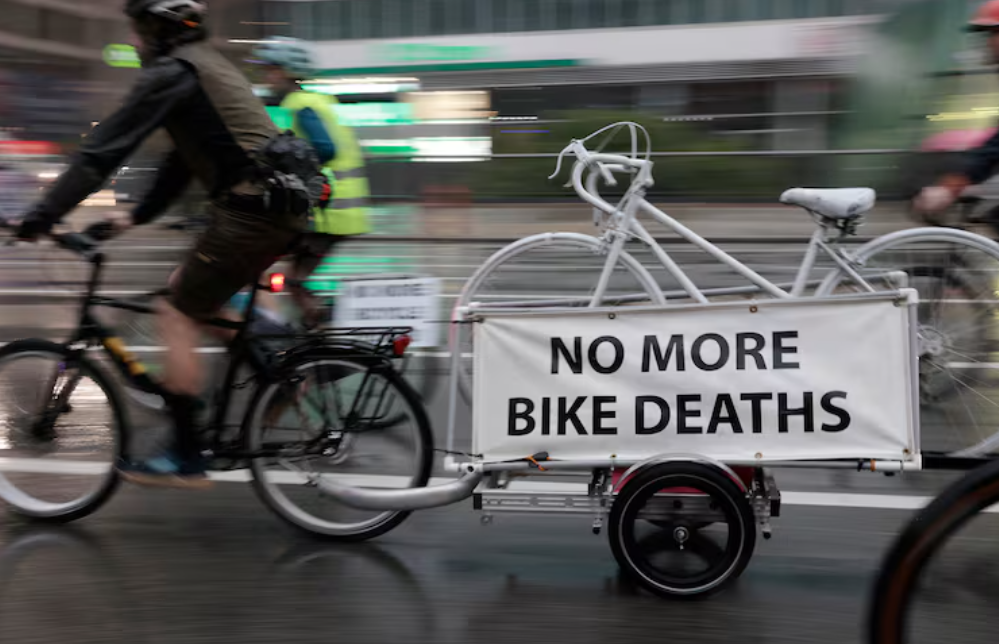
The Inquirer: Fatal crashes are down overall in Pa., but higher for pedestrians and cyclists in Philadelphia – Pennsylvania has been making great strides in safety, last year saw the least number of deaths from traffic crashes, since record keeping began in 1928. However, advocate groups such as Philly Bike Action (PBA) point out that pedestrians and cyclists are not seeing the safety benefits. From 2020 to 2025, crashes overall involving non-motorists have increased in Philadelphia, and serious crashes have declined in that same time frame. In 2025, 55% of people killed in city crashes were non-motorists, and fatalities can be further reduced with traffic calming measures, to further protect pedestrians and cyclists, according to PBA.
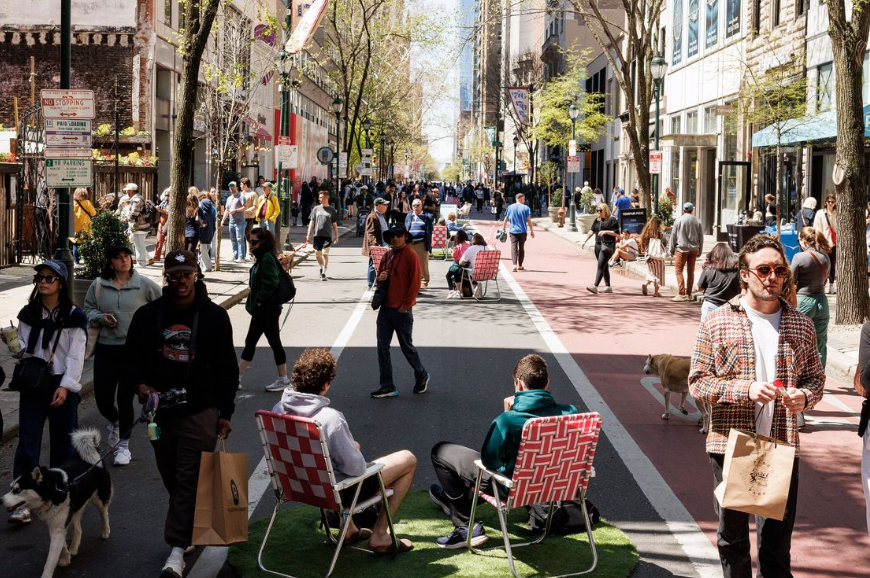
NBC Philadelphia: Center City District introducing weekday edition of Open Streets this June – This summer, Open Streets returns, but now on Tuesday evenings. On Tuesdays from June 2nd through June 30th, effective from 2 PM until 10 PM, pedestrians will be prioritized, rather than cars. The affected streets are 13th St from Chestnut to Walnut, Sansom St from 12th to Juniper, and Drury St. The evenings will feature musical and artistic performances, and outdoor activities. Some local businesses will also be extending hours to match Open Streets as well.
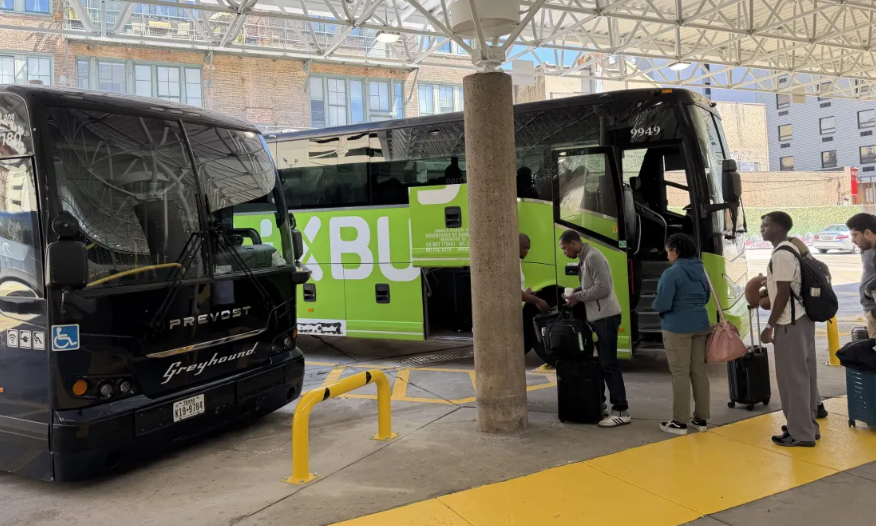
BillyPenn: Philly travelers cheer reopening of intercity bus station, mostly – Philadelphia’s main intercity bus station has been open and operating for a few weeks now, with minimal issues. The Philadelphia Parking Authority has completed the $5 million project, with 11 renovated bus bays, seating for over 180 passengers, and other helpful features. Passengers noted the improvements of shelter from the elements, and drivers said it was easier without illegally parked cars on Spring Garden Street.
Other Stories
NBC Philadelphia: NTSB releases report following May 2025 SEPTA train crash that injured 10
CBS Philadelphia: Pennsylvania lawmakers consider suspending gas tax as prices keep climbing
The Inquirer: Going to the PGA Championship at Aronimink? Here’s what to know, including transit, parking, food options, and more
The Philadelphia Citizen: Ideas We Should Steal: Fix the Sidewalks!
MSN News (The Inquirer): These Manayunk public stairs have been closed for 13 years. A civic group wants them fixed and reopened.
6ABC: Leaders mark world asthma day with call for clean air protections in Philadelphia
The Inquirer: SEPTA’s decision to focus on housing, not parking, is a win for Southeastern Pennsylvania | Editorial
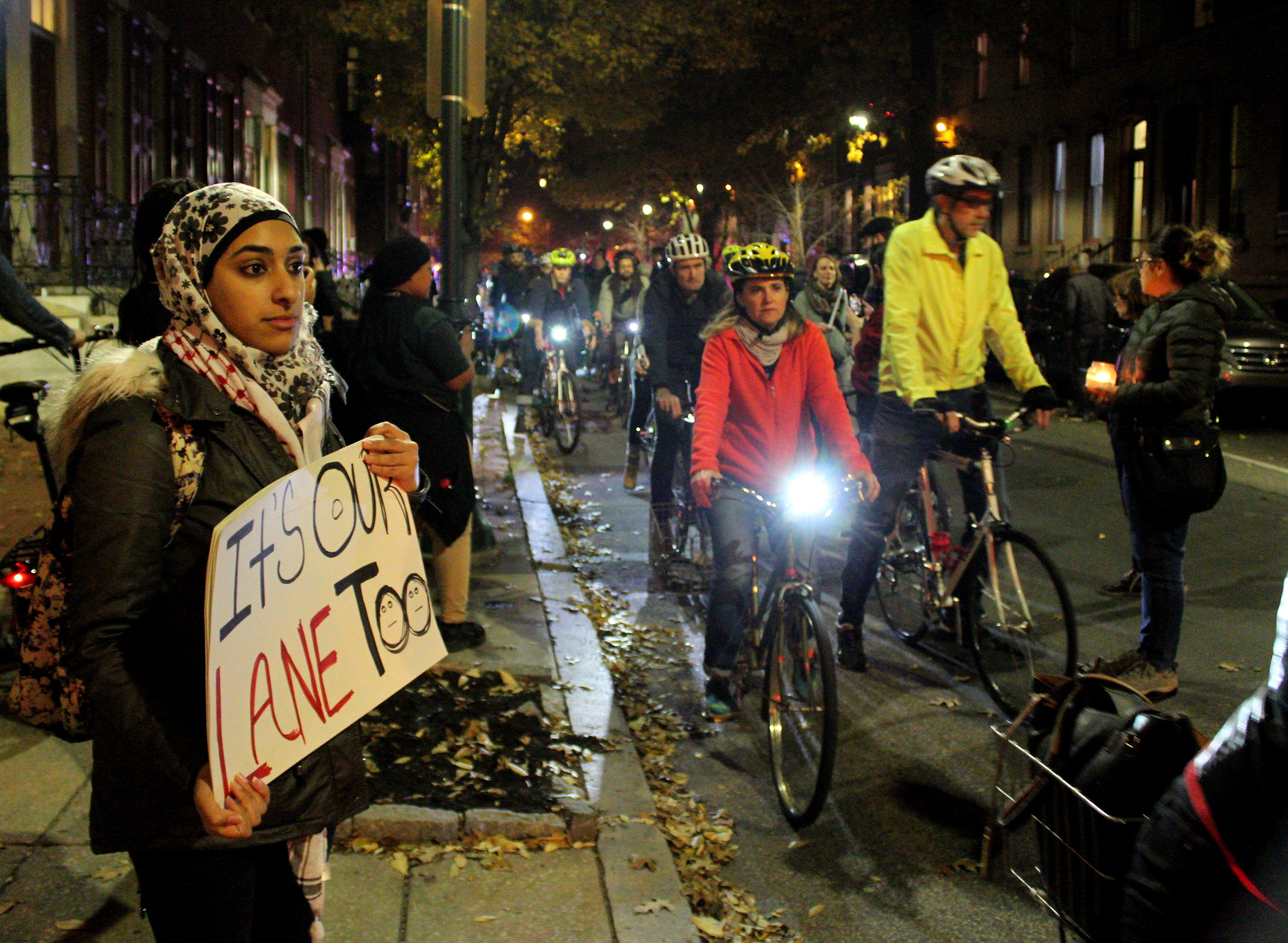
Philadelphia has the highest rate of traffic deaths per capita in the US. According to a National Highway Traffic Safety Administration report using data from 2015, six people for every 100,000 residents died in a traffic related incident. That’s over three times higher than Boston, and more than twice as high as New York City. Cyclists and pedestrians make up 45% of those killed in these traffic incidents.
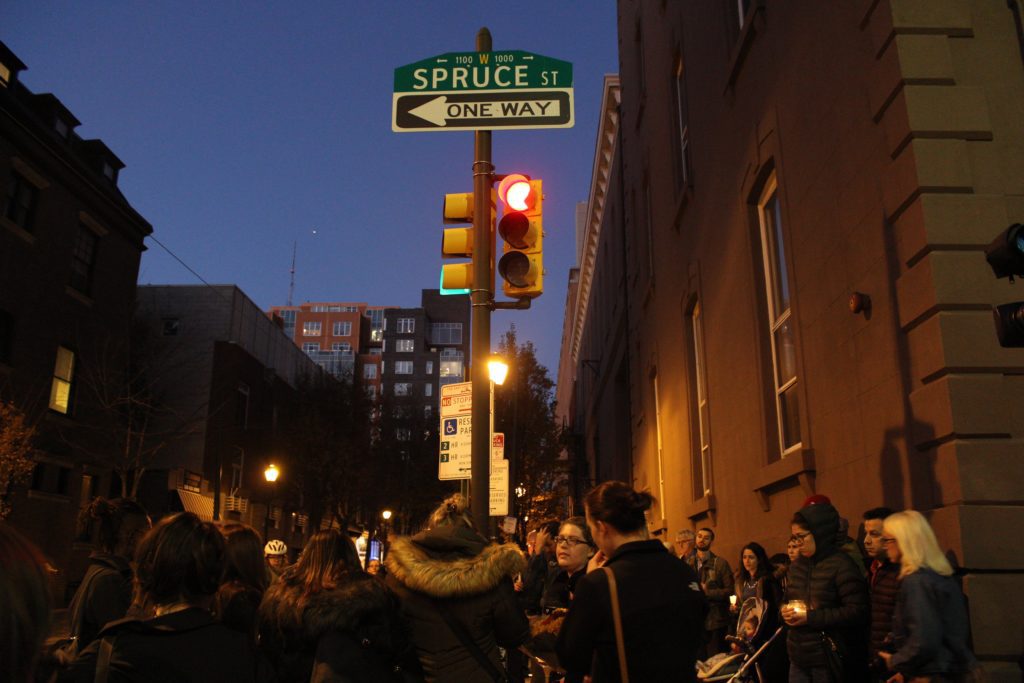
It’s important to acknowledge these are not accidents, but instead preventable crashes that need to be addressed immediately. Sadly, action will come too late for Emily Fredricks who was killed by a private garbage truck as she rode in the bike lane along Spruce Street last week.
Cyclists who spend any amount of time commuting through Center City know this heavily trafficked area can be extremely dangerous. According to the Bicycle Coalition, a 2015 study counted 212 cyclists per hour passing through 13th and Spruce, just two blocks away from the crash. Emily’s death shows that painted bike lanes no longer meet the demands of increased bicycle traffic in this section, and protected bike lanes must be installed along Spruce and Pine Streets to prevent future fatalities.
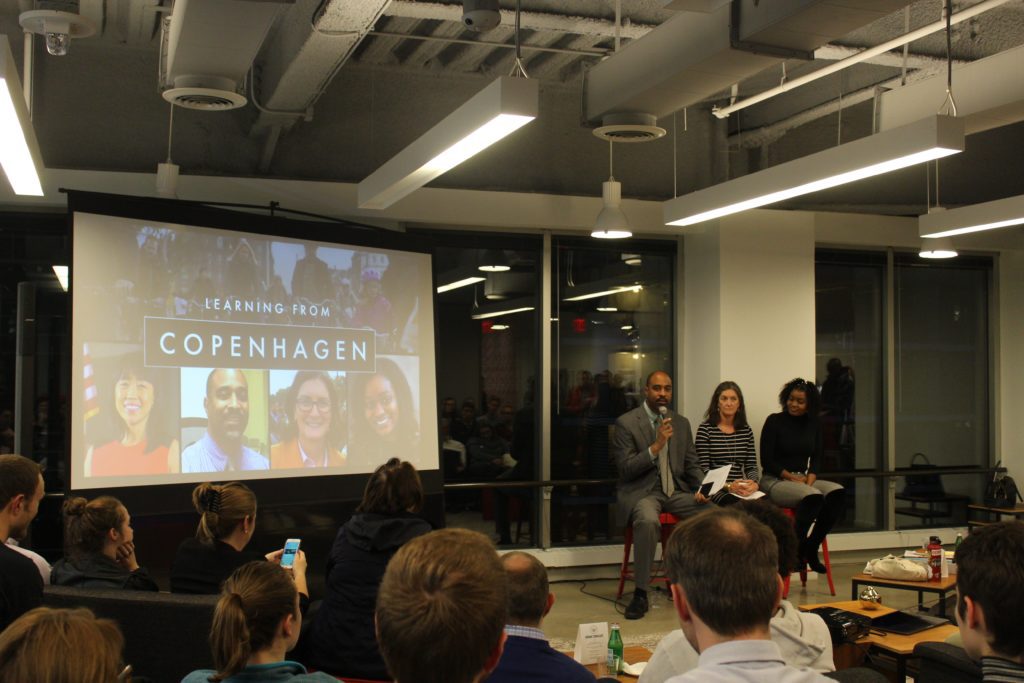
How to protect cyclists along Spruce and Pine was the first topic discussed at a recent public meeting hosted by 5th Square, Bicycle Coalition of Philadelphia, and Urban Consulate. A panel of guests including Michael Carroll, Deputy Managing Director of the Philadelphia’s Office of Transportation and Information Systems (OTIS), discussed a recent trip to Copenhagen where participants learned how that super bike friendly city operates.
However, after the panelists introduced themselves, Carroll felt the need to discuss the death of Emily Fredricks, and set the record straight on the city’s plan to add protected lanes along Spruce and Pine.
“There’s a couple things I’d like to see cleared up about that,” Carroll said. “Just to be clear there was never any point in design or plan to put any real kind of protection on Spruce and Pine.”
Carroll told the crowd of about 100 people that OTIS had been examining the possibility of protected lanes along those streets, but were in the extremely early stages of planning and securing grant money last year when news leaked to the public that they were looking into this.
“That information wasn’t really intended for broad public consumption but as things turned out it came out to the public that those were the two streets we were looking at, and that came back to the neighborhood,” Carroll said. “A lot of the folks in the neighborhood were upset.”
That outcry ultimately led to the plan being put on the backburner, and OTIS looked elsewhere for other areas that may have less resistance. According to Carroll, the administrative work to get a bike lane installed takes extremely long, and even if there was no resistance against Spruce and Pine, installation of protected lanes would not have begun until next year.
“From our perspective, we’ve got 2,500 miles of streets to look at, and there’s a lot of other candidates that were on that map that we felt like were better uses of our resources at that time to try and put protection in,” Carroll said. “Even if we had programmed those for installation, if we did find a clear path forward, this project would not have started until the Spring.”
Carroll did admit that more funding may have have helped avoid this tragedy.
“This is an instance where under more ideal circumstances, if money was available sooner, maybe we could have avoided a tragedy, but I don’t know that for a fact.” Prior to this incident, Philadelphia was securing funding and developed a plan to make sure money and ideas are available.
The city’s Vision Zero efforts include a plan to install 30 miles of protected bike lanes during Mayor Kenney’s administration. So far there are two miles. That leaves a lot of work to do, so the time is now for the Mayor’s office and City Council to move quickly on advancing these projects. The Vision Zero Task Force was created, and charged with forming a three year action plan. This plan was released earlier this fall, and you can read more about it here. The plan garnered plenty of local media attention and public support but so far little action from city government, specifically city council who since 2012 has had control over the implementation of protected bike lanes on city streets.
The last thing cyclists in Philly need is their safety in the hands of politicians, and that is exactly what is happening. The Office of Transportation and Infrastructure Systems (OTIS) needs to be in charge of these decisions, and make pedestrian and bicycle network development one of their key initiatives.
Perhaps a lack of funding for protected bike lanes is the problem? It’s not. In fact, funding has been secured on a state and federal level for pedestrian and cycling infrastructure. In March 2016, the city announced they had secured $2.67 million in federal funding with another $500,000 in local contributions to fund five projects under the “Transportation Alternatives Program” (TAP). The plan for cyclists is outlined in one of the projects. The press release states:
The final project, “Safe Spaces for Cyclists: Build a Protected Bike Network”, will include a mix of converting existing bicycle lanes into protected facilities and adding new protected bicycle lanes by adding flexible delineator posts to clearly separate vehicle and bicycle space in the right of way. The project also will include striping and signage in high priority bicycle corridors throughout the City.
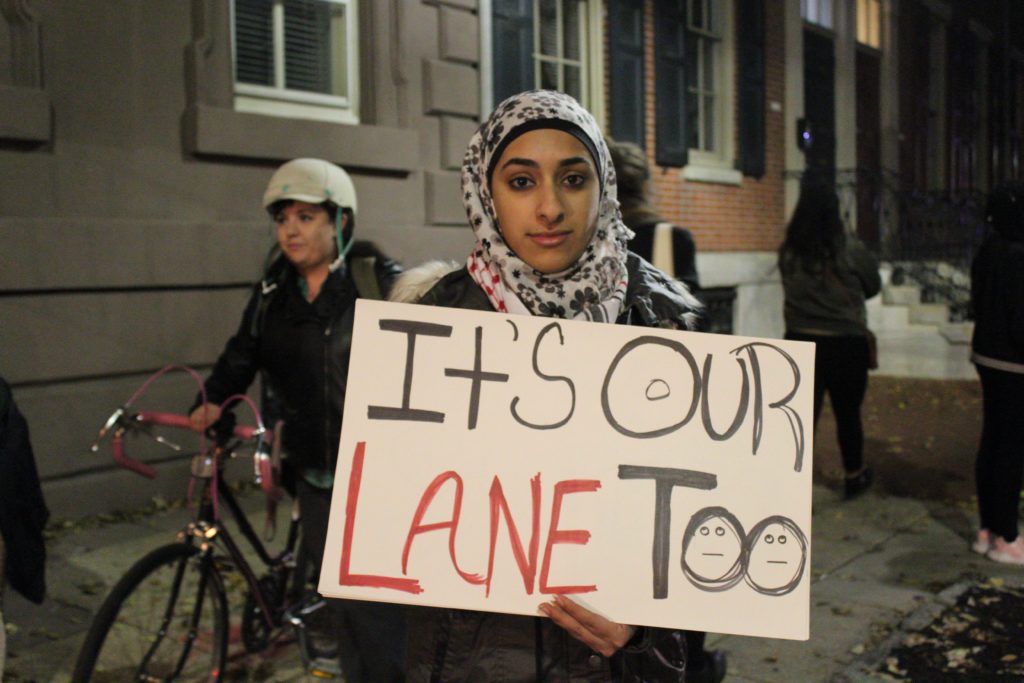
The money is there, the laws are written and plans have been drawn, so why are there still only two miles of protected bike lanes in Philadelphia? The problem is the overly politicized process of road safety. City council is not only guilty of inaction, but in some cases, council members work against the implementation of protected bike lanes under the guise of community outcry.
In 2011, Councilman Greenlee proposed a bill that would require city council to approve all new bike lanes. It was adopted in 2012, and since then council has actively worked against creating protected bike lanes throughout the city. Greenlee is still blocking a bike lane along 22nd street that was proposed in 2014. Councilwoman Blackwell, seems less supportive of the protected bike lane on Chestnut St in West Philadelphia, and recently told the Inquirer, “All I do is get complaints about the lack of access to Chestnut Street.”
Over the summer, Councilman Johnson wrote a letter to OTIS rejecting the planned protected bike lanes on South and Lombard Streets in West Center City. According to the Bicycle Coalition of Philadelphia, residents were concerned that they would not be able to pull into the bike lane to unload their vehicles.
Even the very stretch of Spruce St where Emily was killed has had a protected bike lane proposed and discussed publicly since last December at a Washington Square West Civic Association meeting. Public outcry over convenience has seemingly put the project on the shelf, and the city isn’t guaranteeing protected bike lanes will ever be installed along Spruce or Pine streets. Shortly after Emily’s death, the bike lane along Spruce Street was re-striped. This is simply too little too late, and still allows motorists to cross into the bike lane. City council must take the politics out of protected bike lanes, and start protecting the lives of people who choose to commute by bike.
Please take a moment to write or call your councilperson today. Tell them how important it is to you that they move forward on protected bike lanes, even at the expense of convenience for motorists. Explain that this is literally a matter of life and death in some cases, and you expect quick action from them. Do this especially if you are in Councilman Johnson or Councilman Squilla’s districts. Contact information to city council can be found here.